Melbourne Design Week’s Biggest Takeaways, According To Interior Decorator Simone Haag
design that thinks differently
By Victoria Lewis | 26th May 2026It was an event that had interior design lovers everywhere drooling – Melbourne Design Week has just wrapped up for the year, an impressive 11-day spectacle of exhibitions, launches, workshops, and tours that was the talk of the town.
Showcasing the state’s top design talent through its inclusive open-to-all application process, the festival offers perspectives from every corner of the design world. This year, the program saw over 1,300 designers take part across locations in Melbourne and regional Victoria, led by NGV’s Department of Contemporary Design and Architecture. Not only is the event one of the largest design festivals of the Asia-Pacific, but a crystal ball for the future of Australian design, giving us a glimpse of what’s to come in the months and years ahead.
To help keep us all ahead of the curve, especially for those of you who missed the event IRL, renowned interior decorator Simone Haag gave us her key insights from Melbourne Design Week. From gothic undertones and subverted silhouettes, to some highly unusual texture play, here’s what she observed.
Perfectly seated
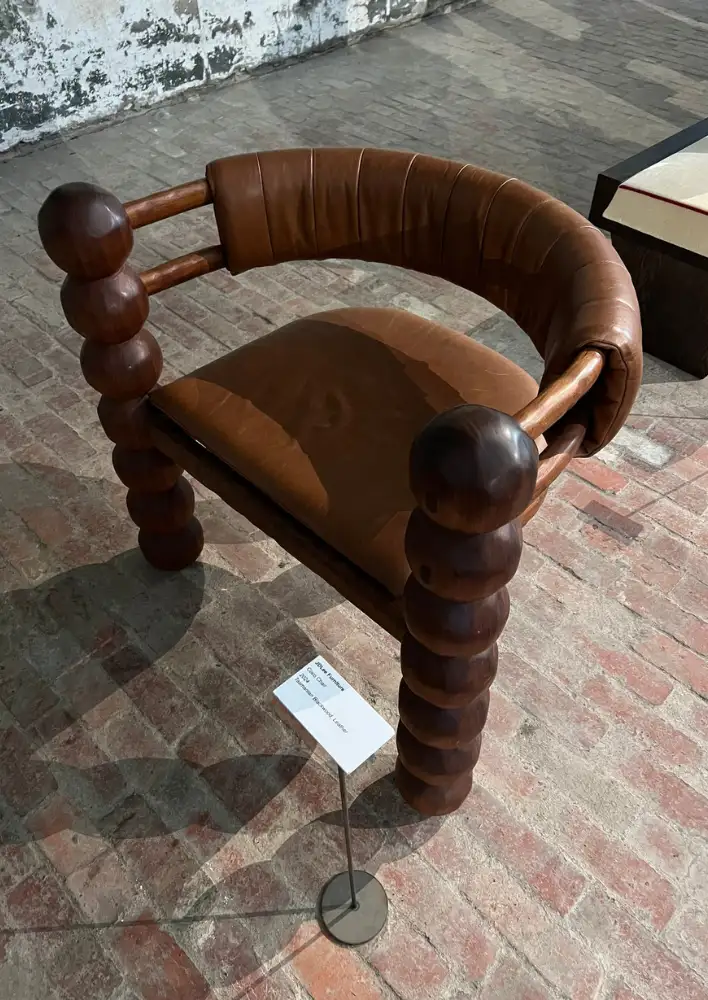
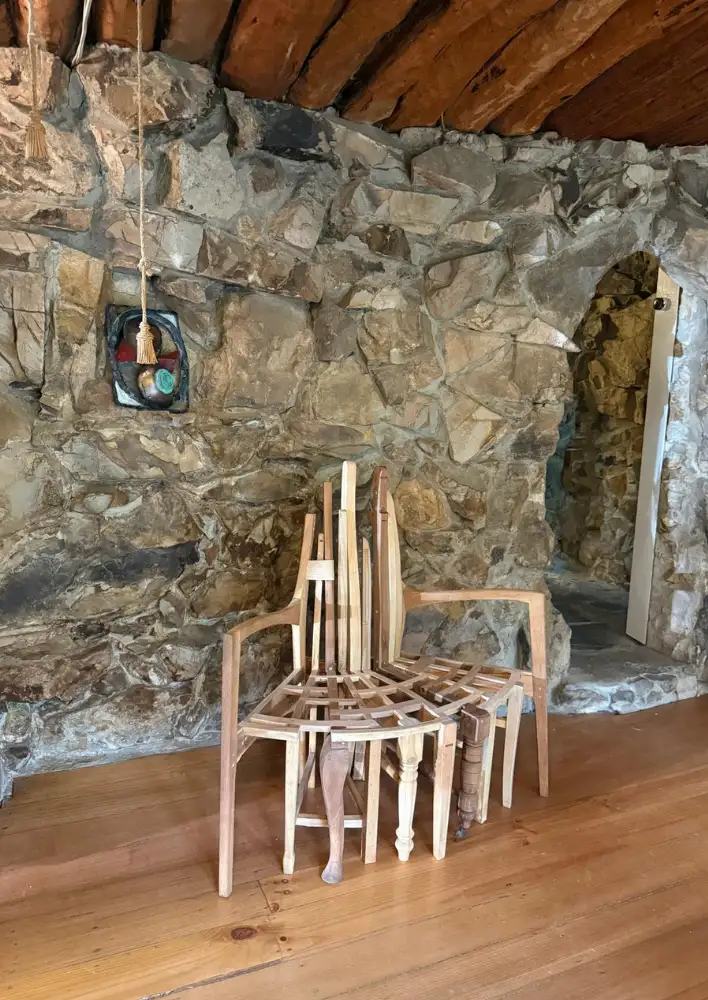
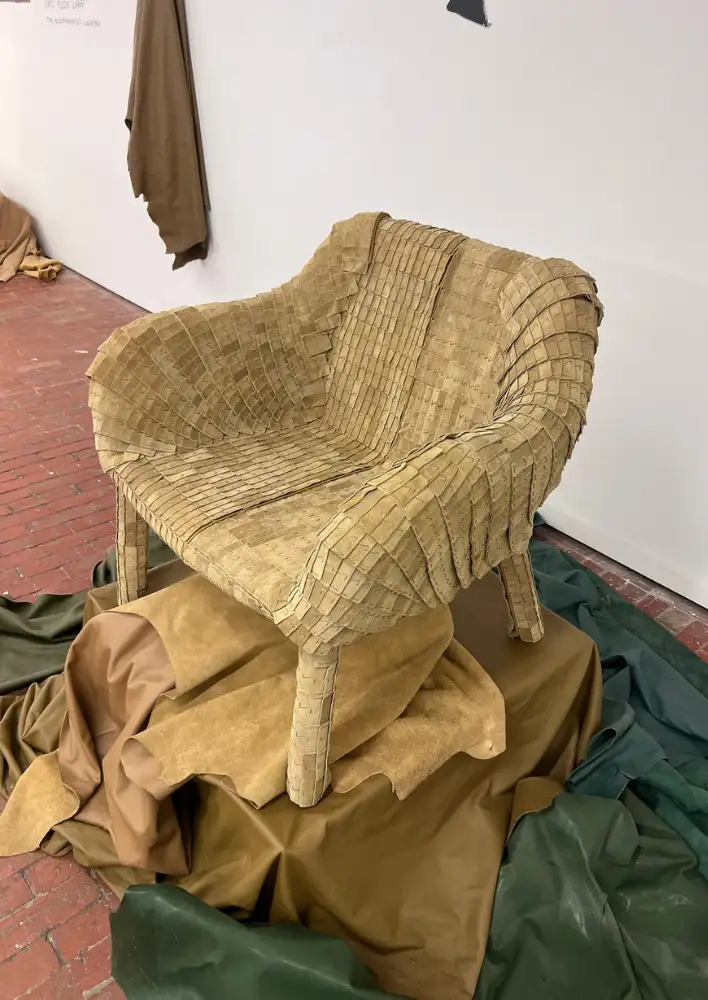
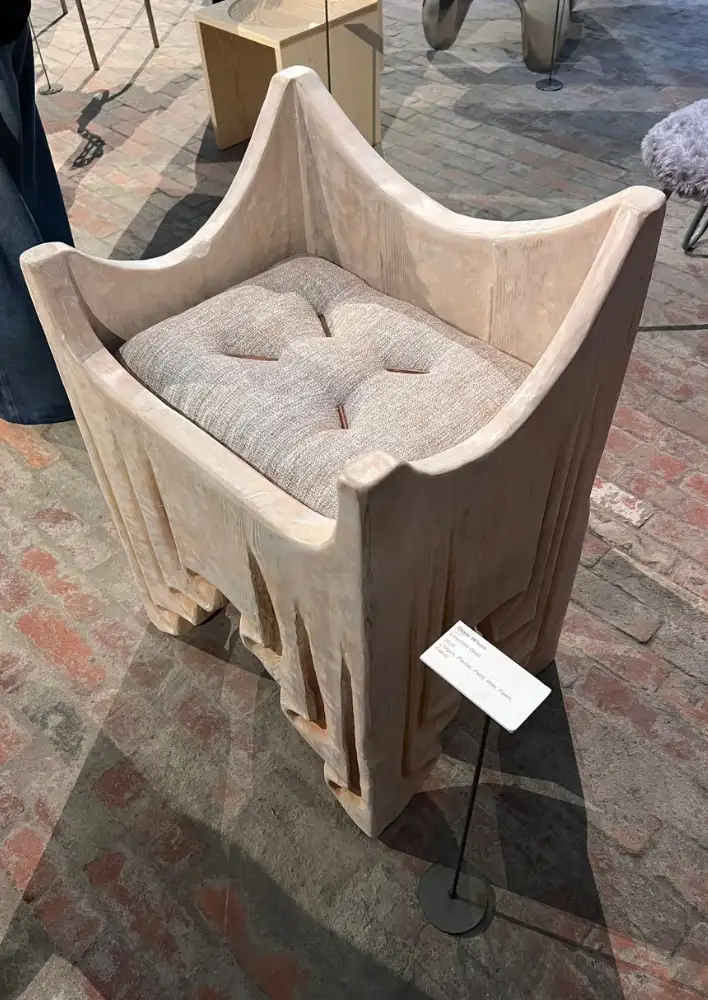
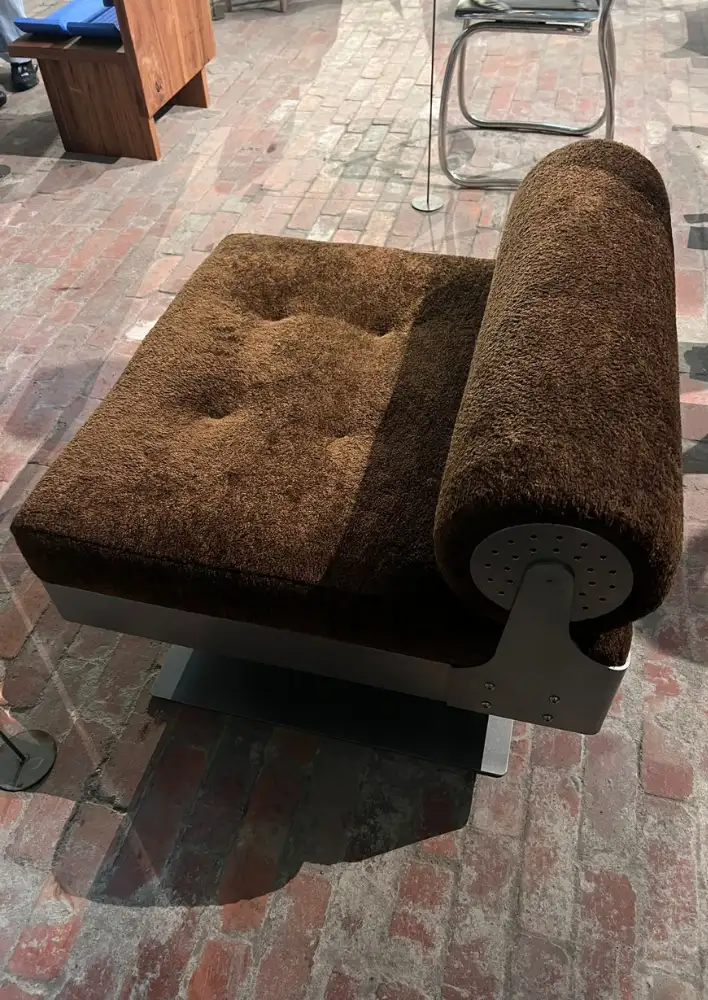
The seating was generous, sculptural, and design-driven. Proportions, curved forms, and layered upholstery prioritised artistry, while bold silhouettes ensured armchairs acted as an architectural focus within interiors.
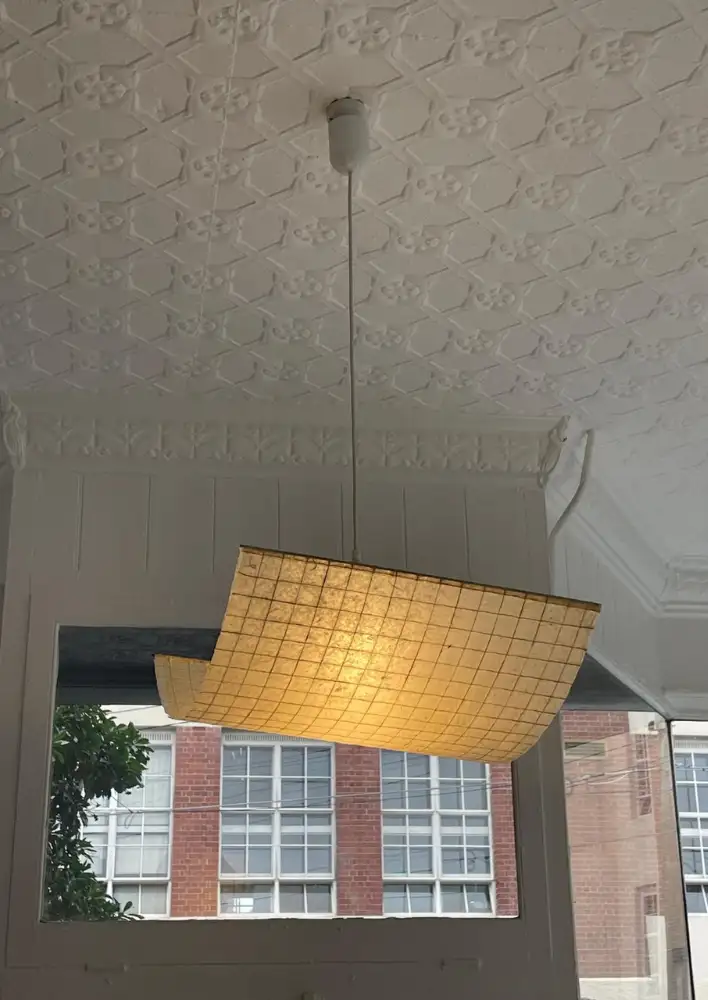
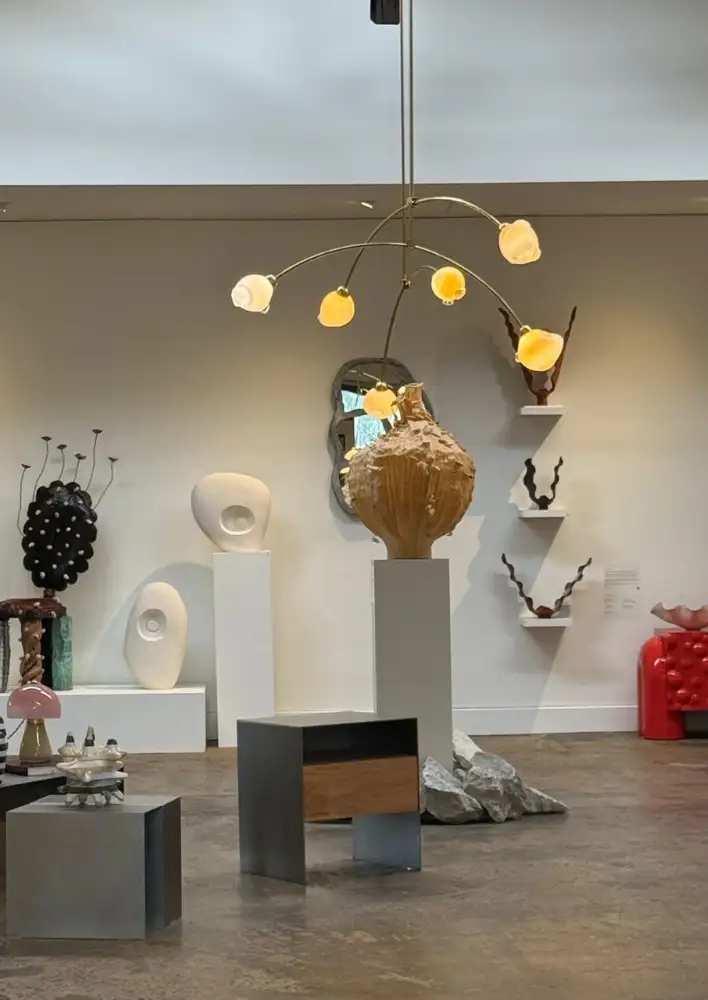
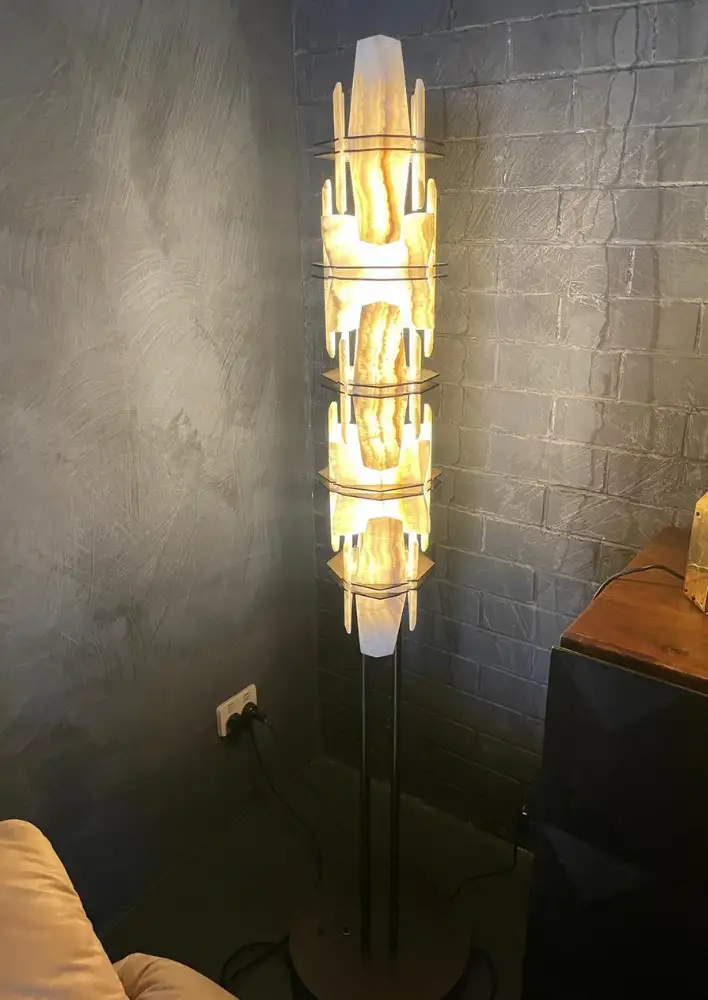
Sculptural lighting
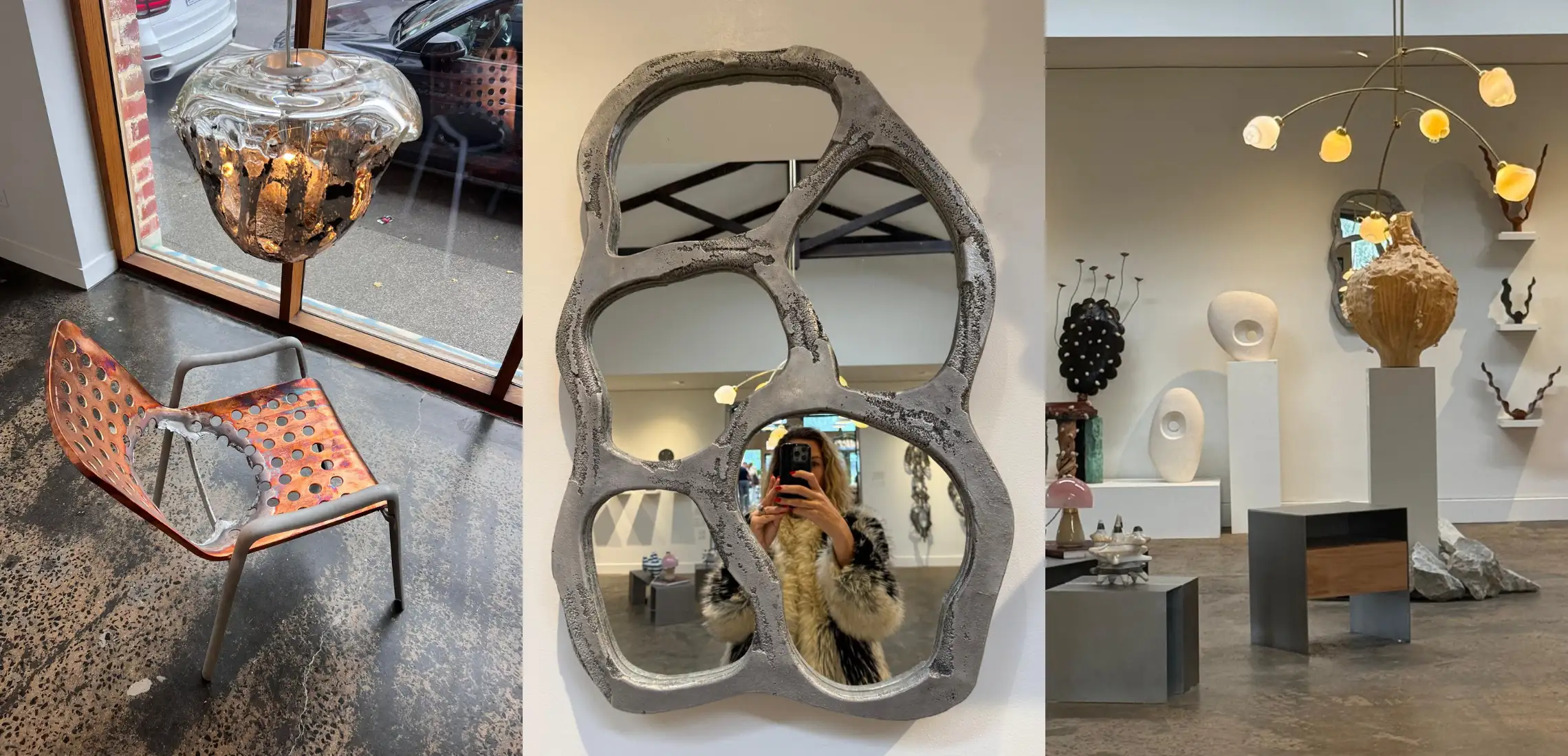
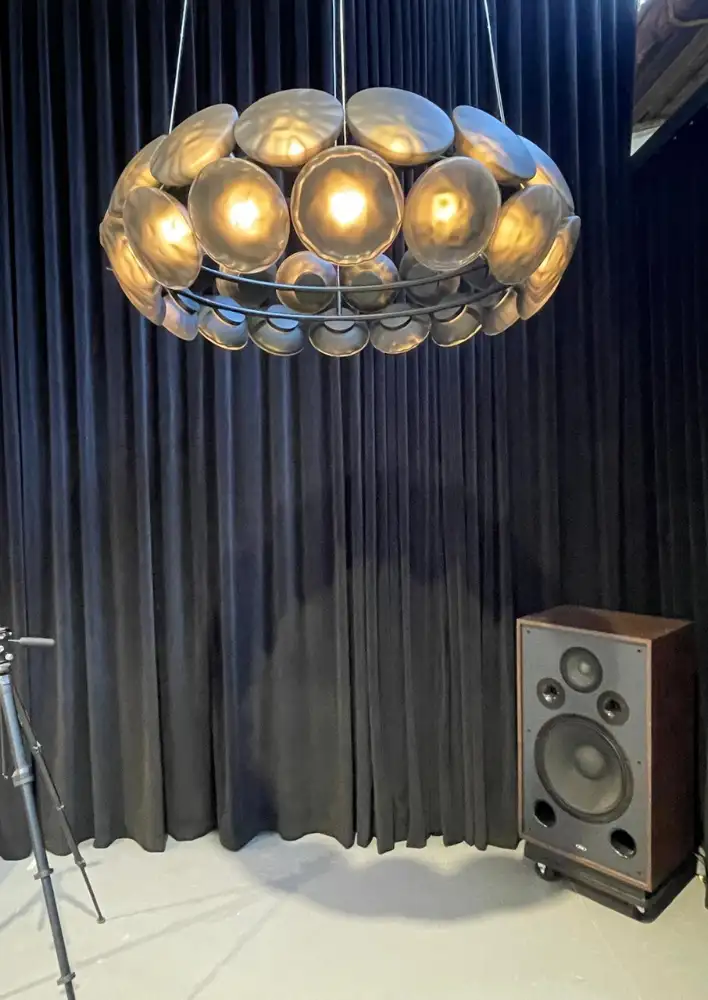
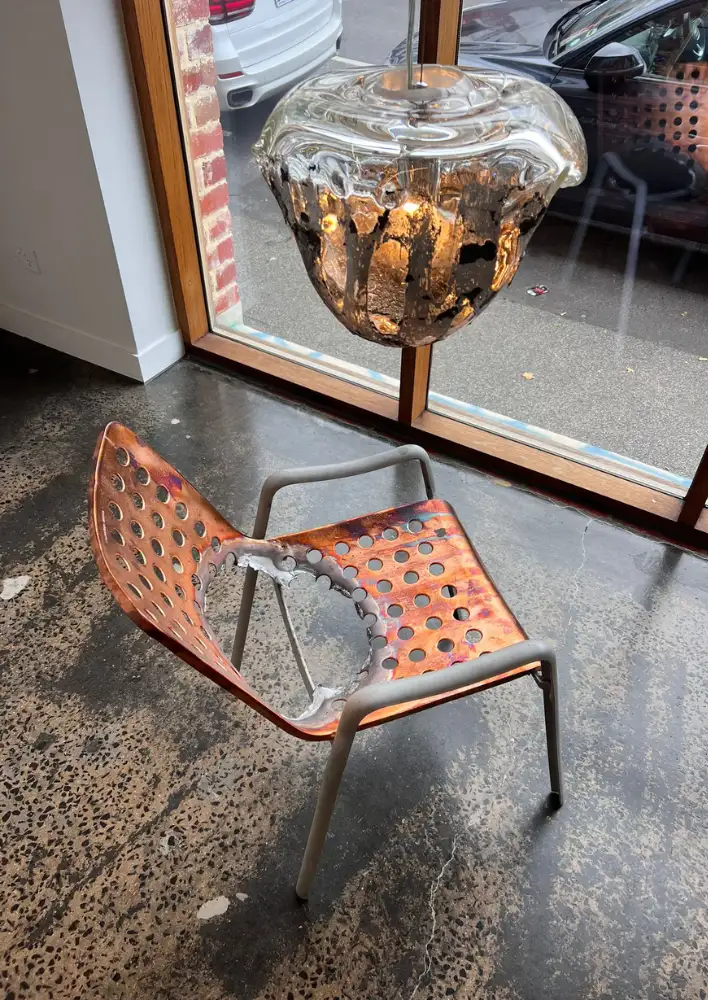
Lighting has moved beyond ornament to become artistic. Large-scale pendants, asymmetrical forms, and hand-worked materials acted as focal objects within interiors, often functioning more like suspended sculptures than conventional lamps.
Vessels
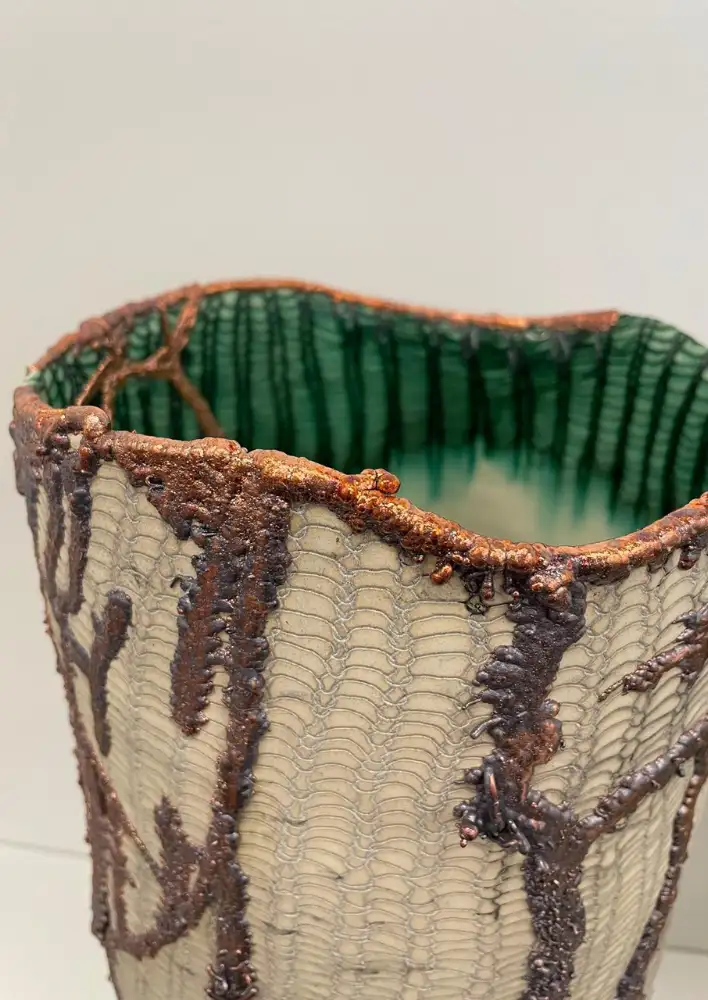
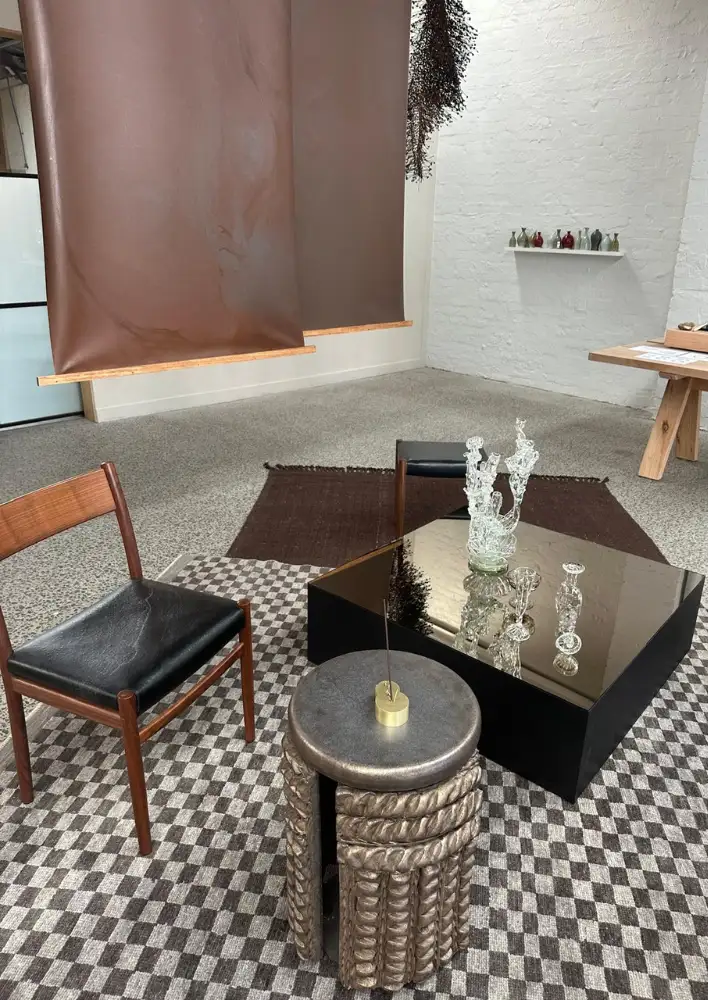
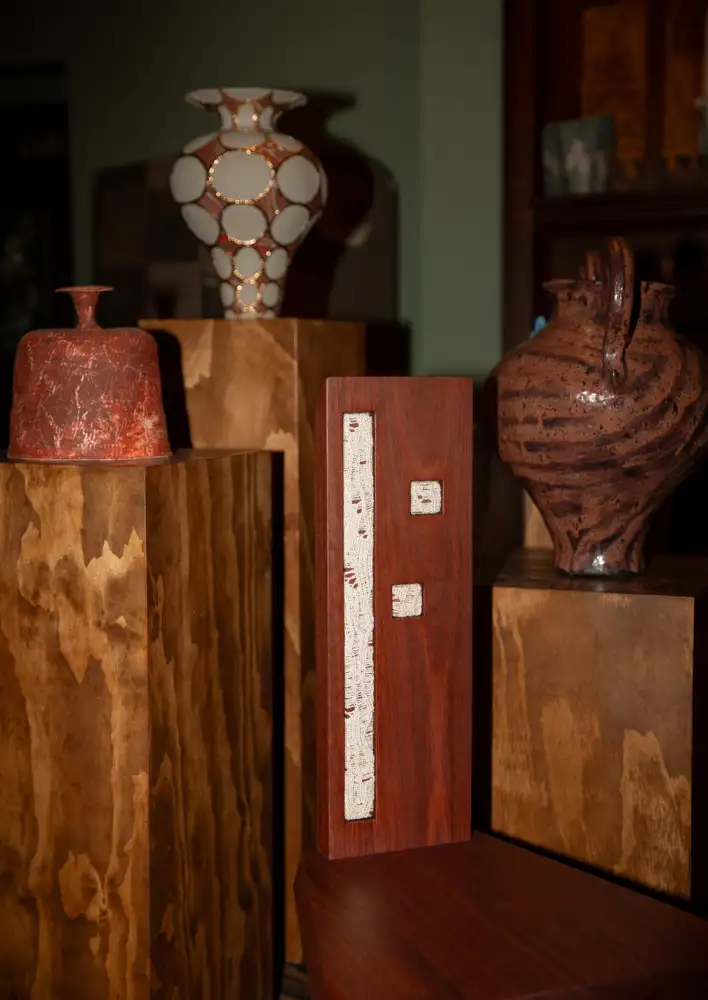
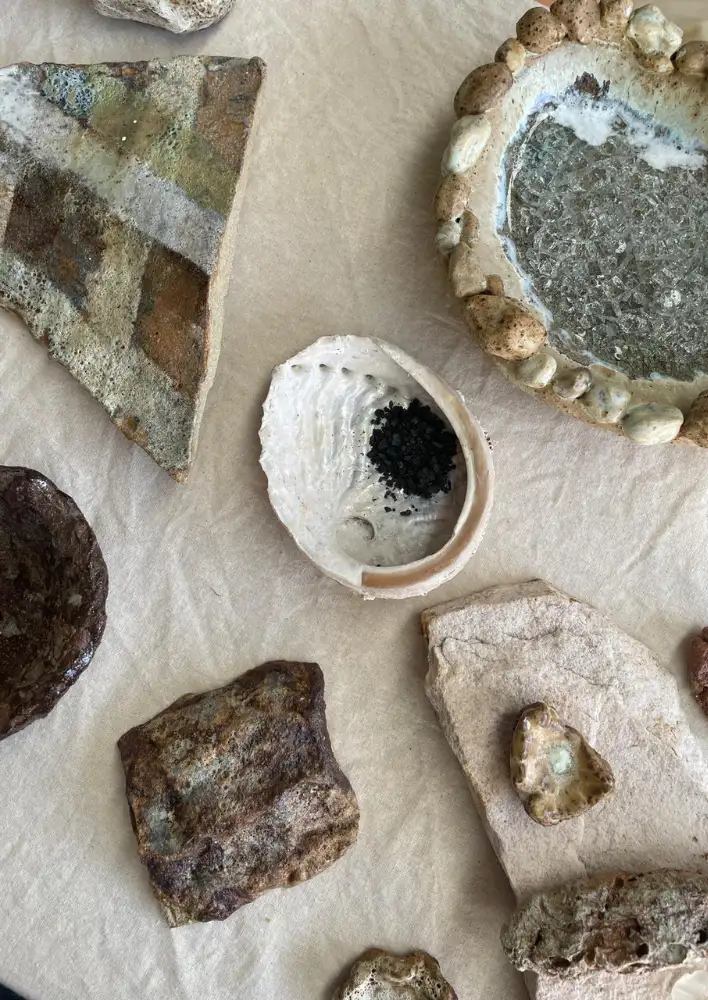
Ceramic, glass, and metal vessels emerged as collectible sculptural objects, valued as much for form as function. Oversized proportions, primitive shapes, and hand-finished textures reflected a growing interest in craftsmanship and decorative still-life styling.
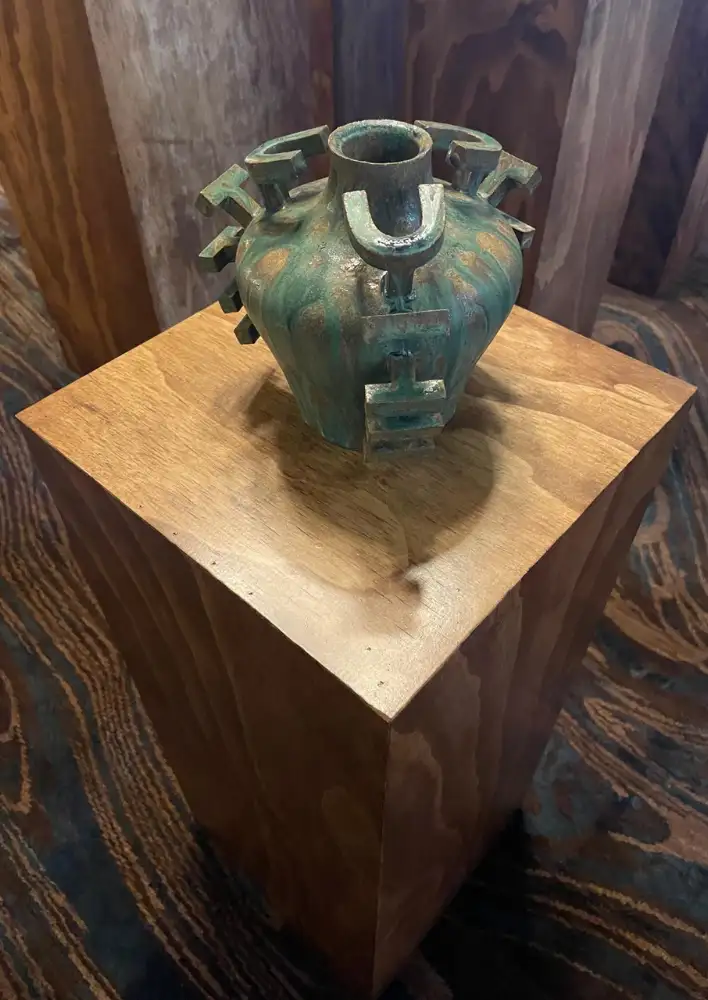
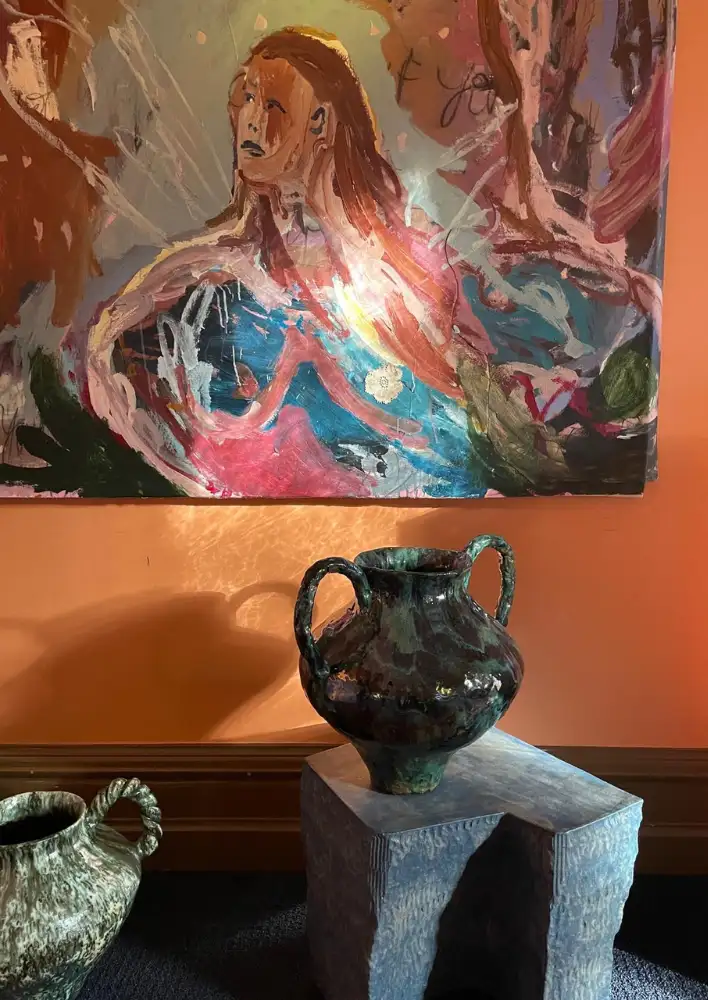
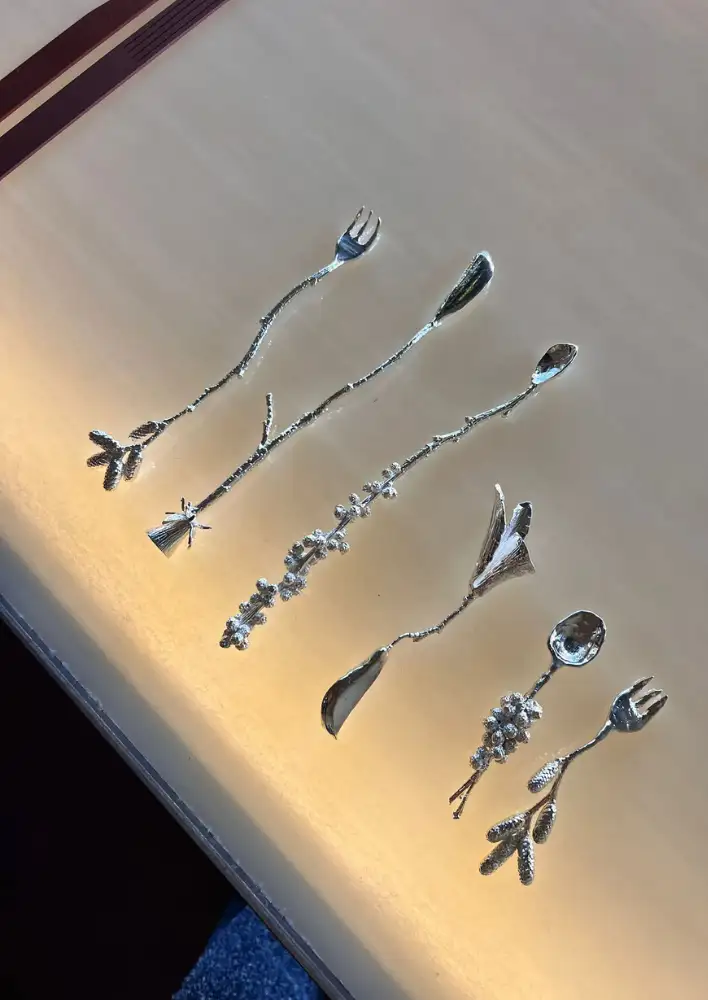
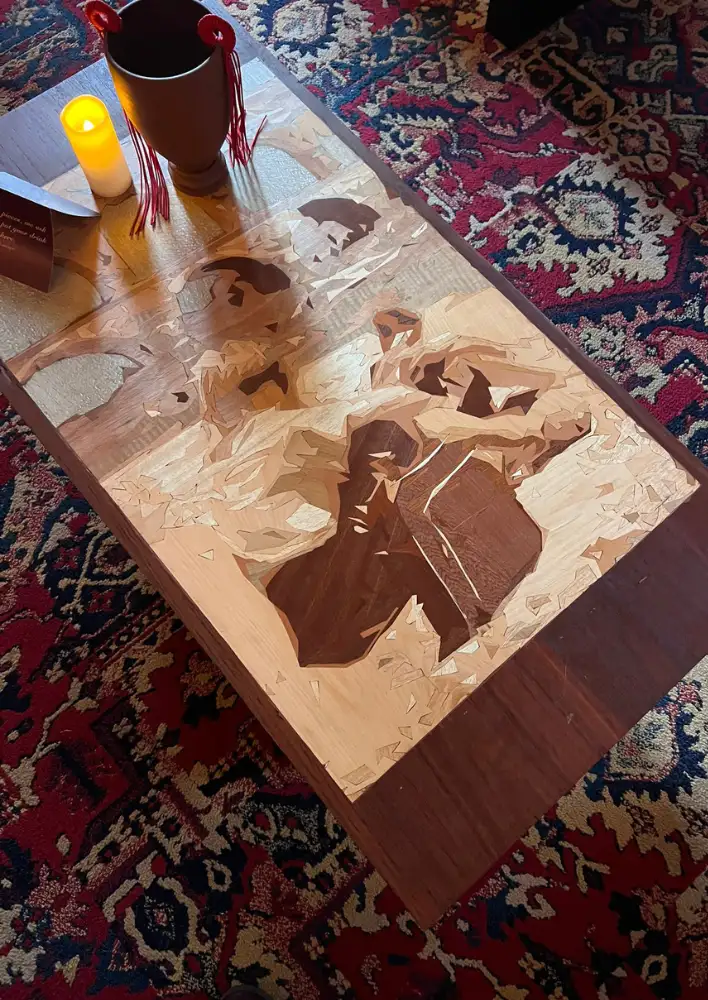
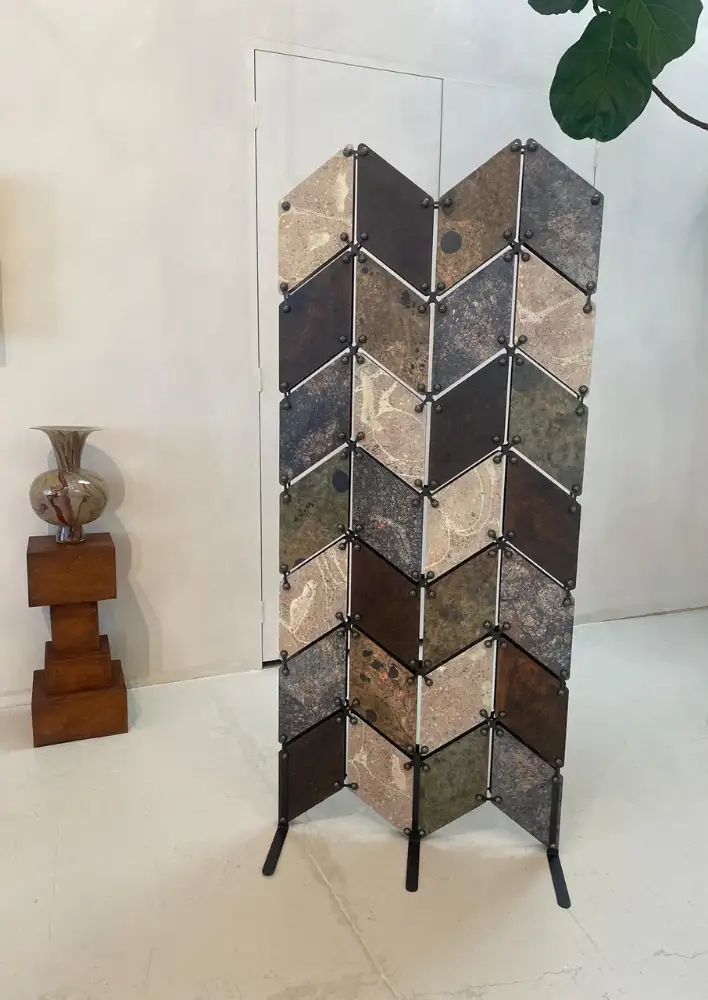
Functional art – sculptural screens, storage units, and cutlery.
Everyday objects were treated as collectible artworks. Mirrors resembled abstract sculptures, lighting became expressive installations, and even tableware adopted exaggerated, handcrafted forms with artistic intent.
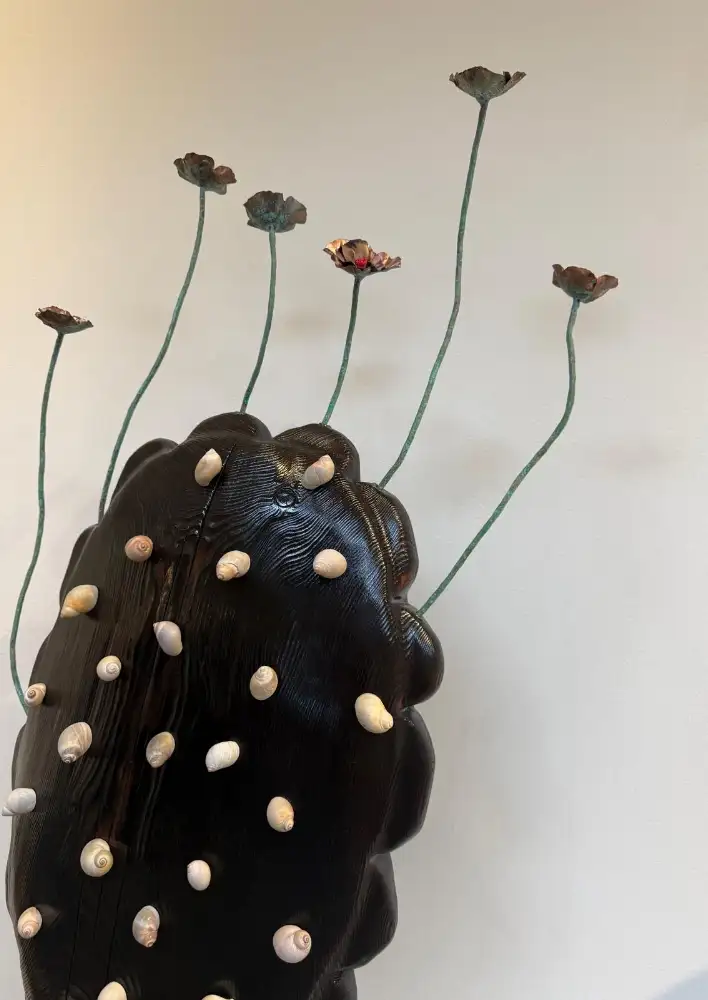
Tactile and surfaces
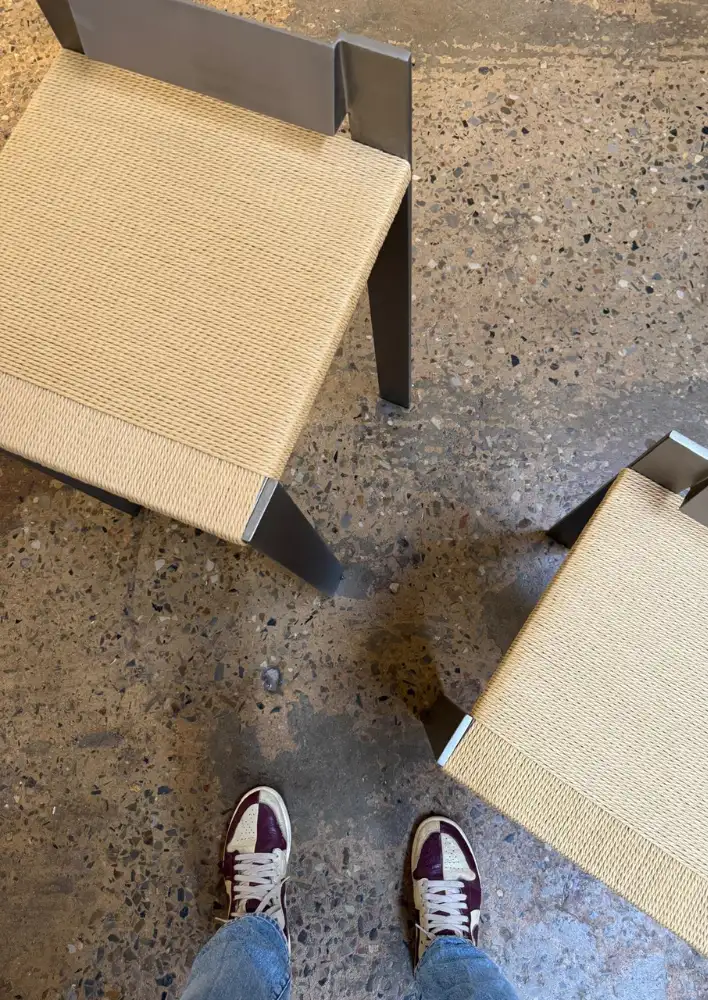
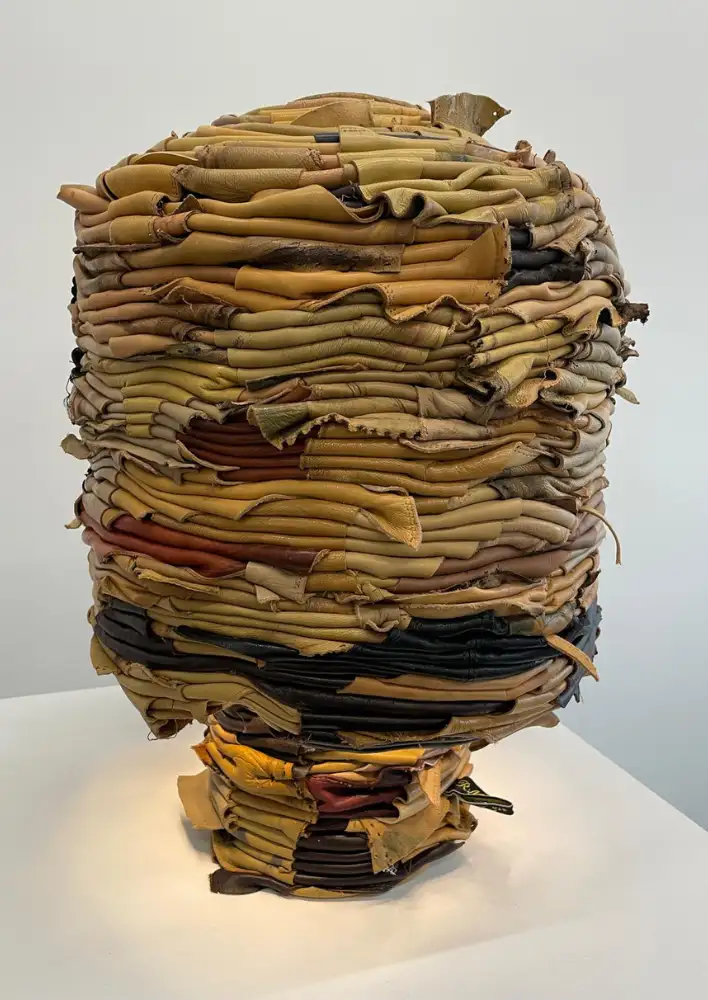
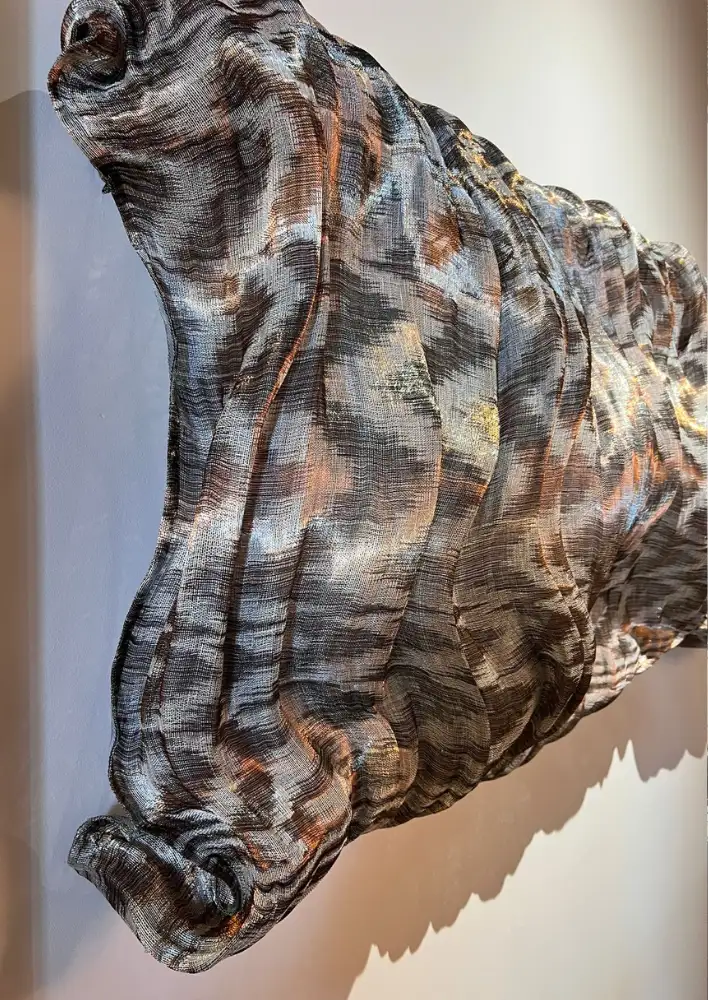
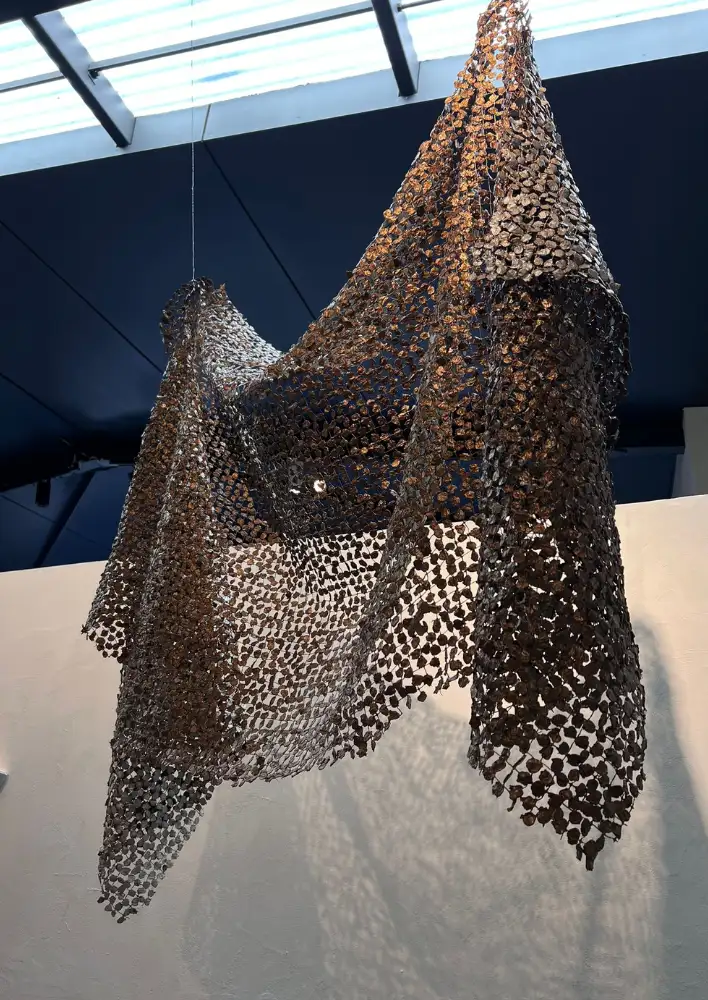
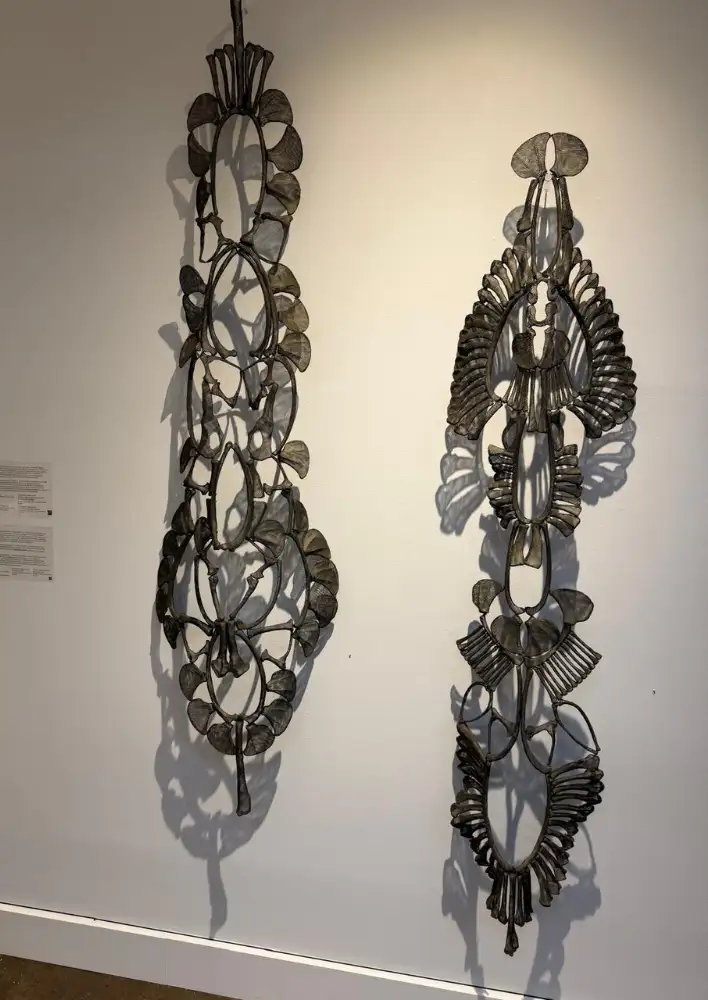
Designers favoured uneven finishes that invited touch – including textured weaves, oxidised metals and speckled ceramics. These surfaces created depth, softness, and visual complexity through subtle variation.
A play on glass
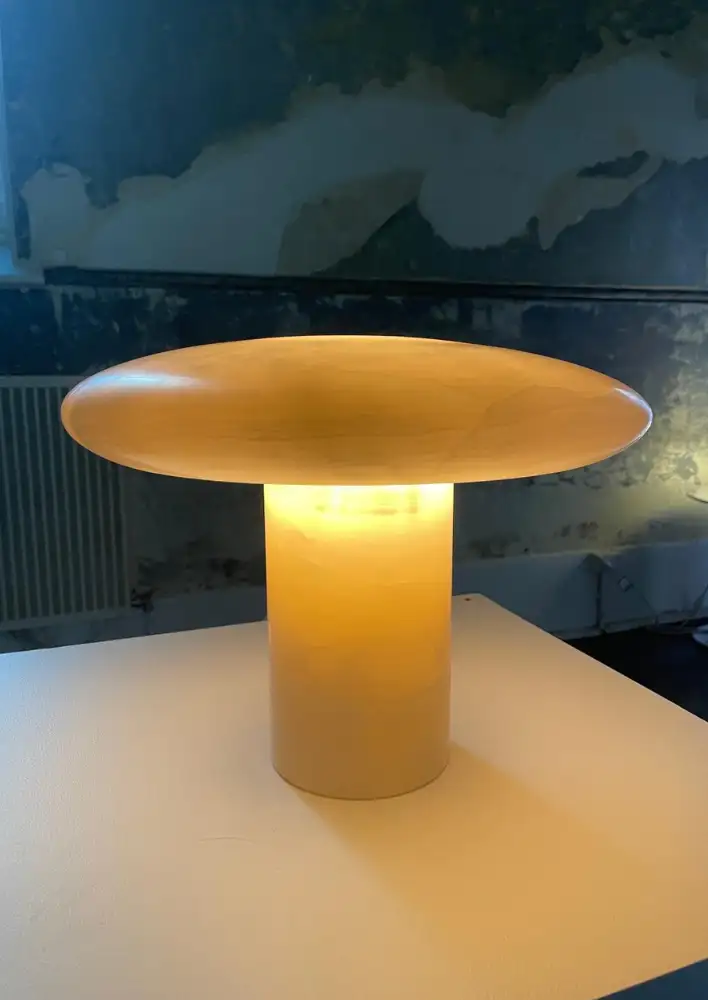
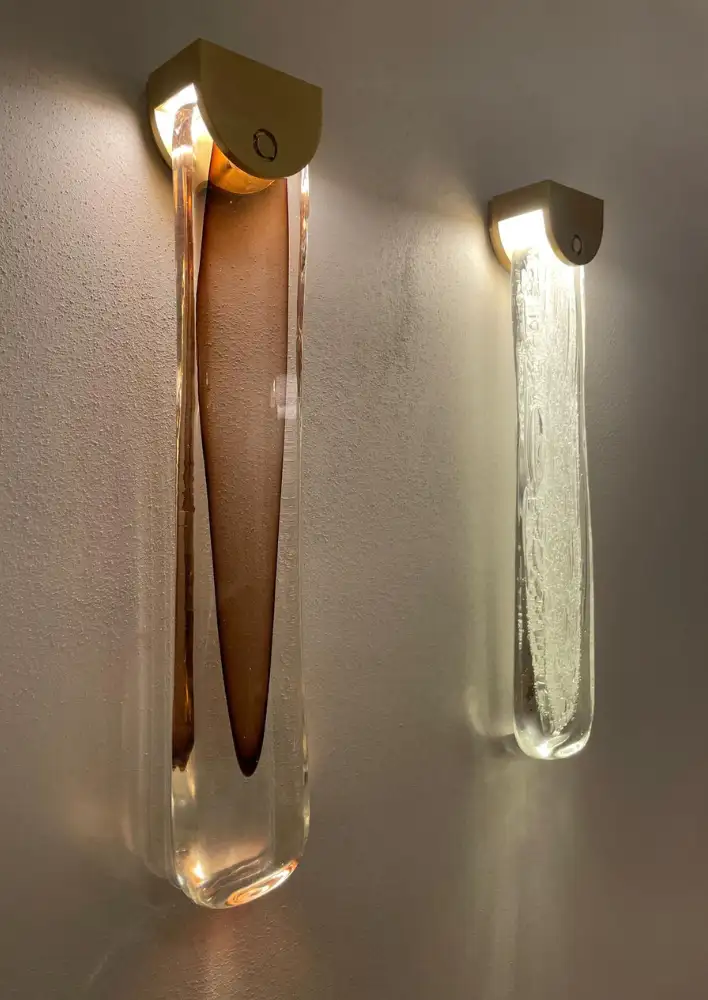
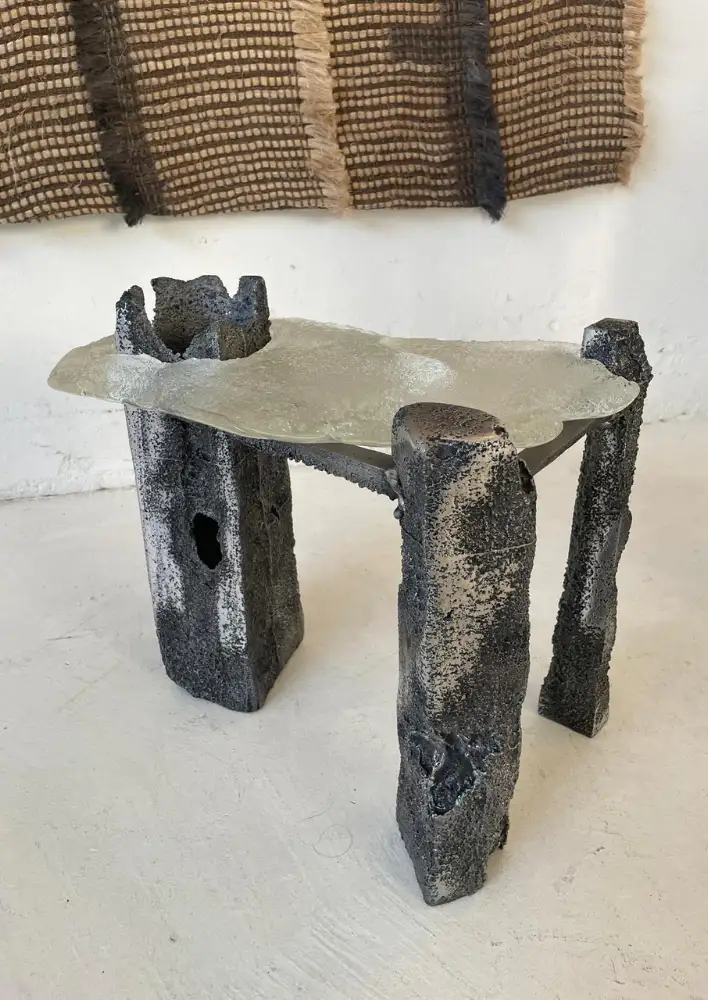
Smoked, frosted, bubbled, and textured glass replaced perfectly transparent finishes. The effect was atmospheric and diffused, introducing softness, distortion, and ambiguity into lighting and furniture.
Gothic revival
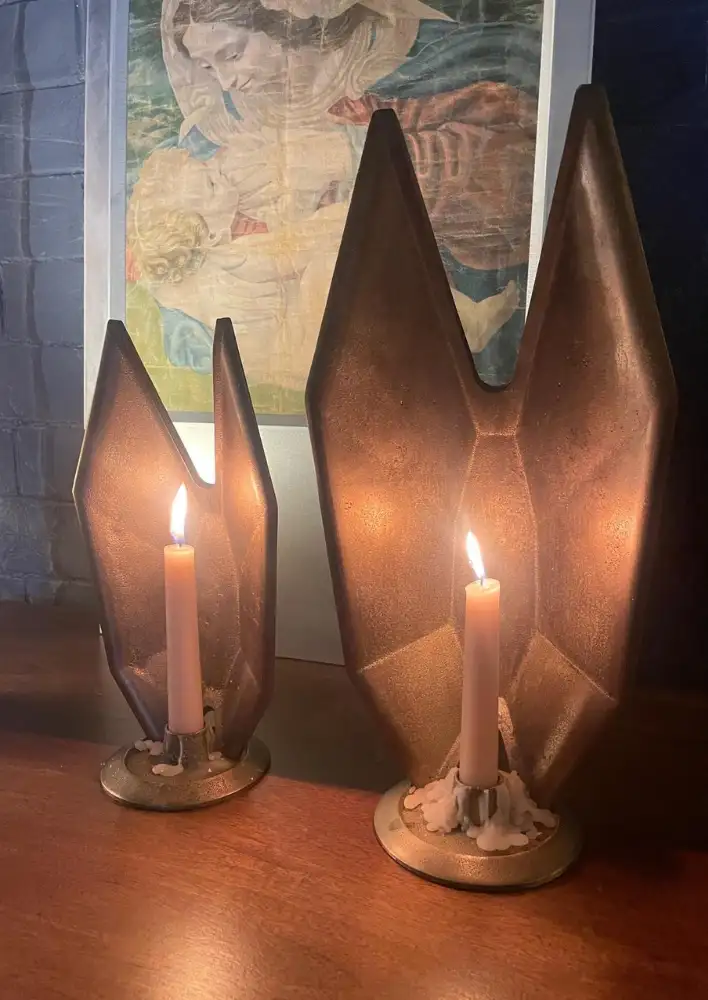
A darker, more romantic aesthetic emerged through pointed forms, rich timber tones, wrought textures, and dramatic silhouettes. Rather than historical reproduction, designers reinterpreted gothic references with a contemporary eye and restraint.
Earthy Hues
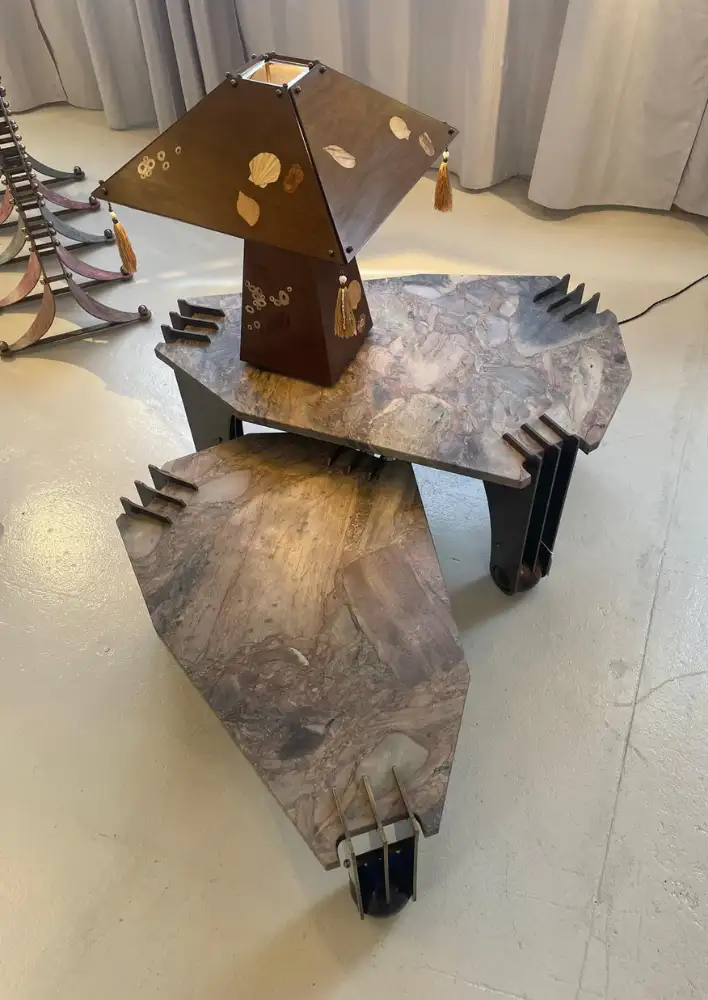
Highly dramatic stones and woods, and materials with deep earthy colour variation and tactile finishes were used to create furniture with a strong visual identity. Honed, chipped, and brushed textures rather than overly polished surfaces.
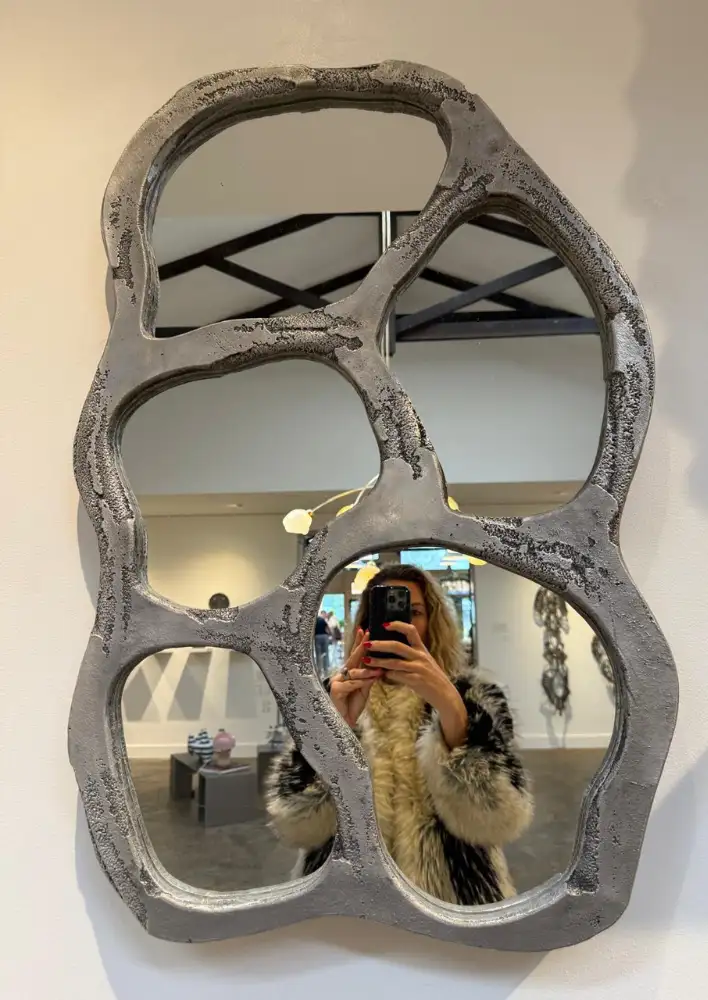
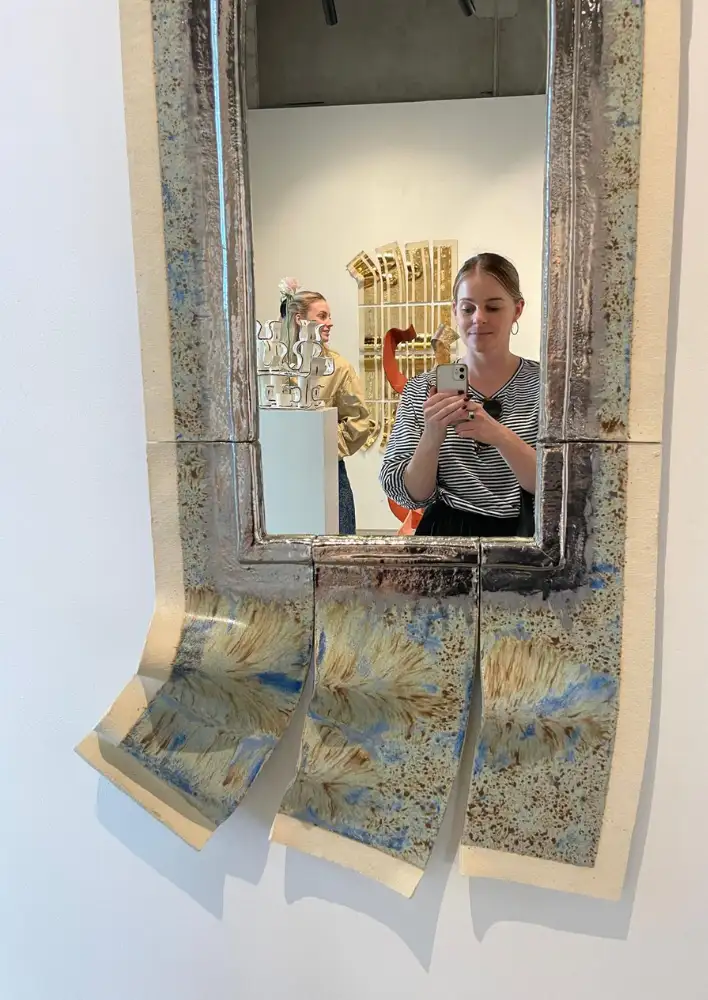
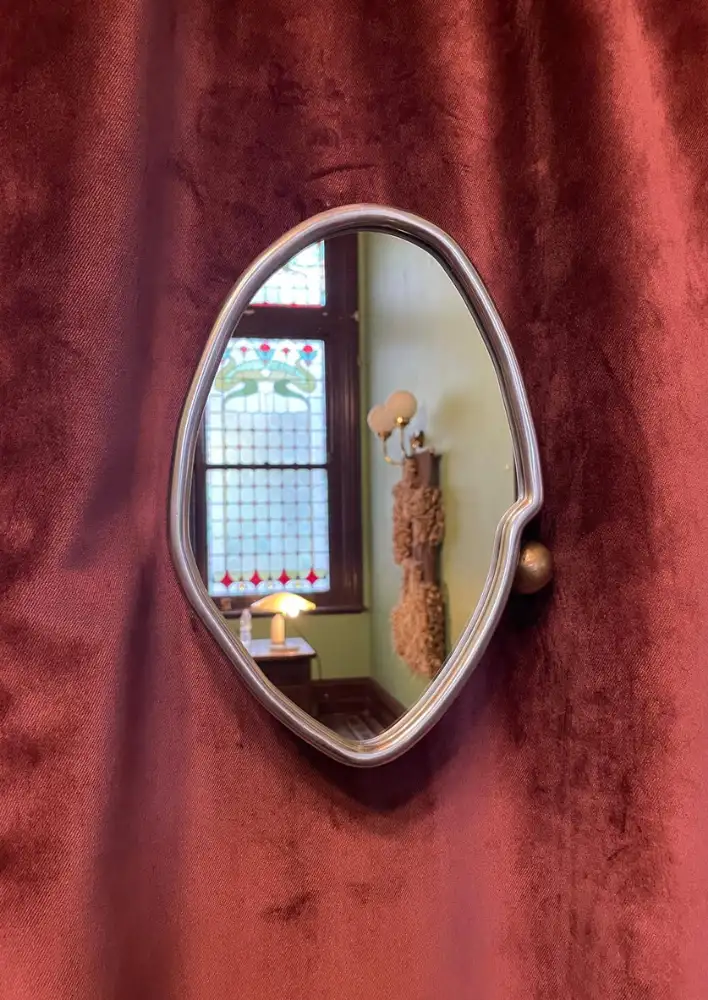
Playful mirrors
Mirrors became expressive design objects rather than purely functional pieces. Irregular silhouettes, coloured glass, exaggerated proportions, and sculptural frames introduced humour, movement, and personality into interiors, often acting as statement artworks within a space.
Textile wall hangings and tapestry installations
Large-scale textiles returned as architectural elements, softening spaces acoustically and visually. Weaves and fabric installations introduced warmth, narrative, and tactility into otherwise minimal interiors.
Repair, imperfection, and fragility celebrated aesthetically
Designers embraced cracked glazes, visible joins, patched surfaces, and irregular finishes as markers of authenticity. Furniture and objects intentionally revealed wear, handcraft, and material vulnerability rather than hiding them.
Liked these insights from Melbourne Design Week 2026? Keep the design inspiration flowing and check out our guide to the latest interior trends, and how to style them, here.
Steve Cordony Shares The Milan Design Week Details Set To Inspire Australian Homes
Read More
The Standout Spaces Shortlisted For This Year's Australian Interior Design Awards
Read More