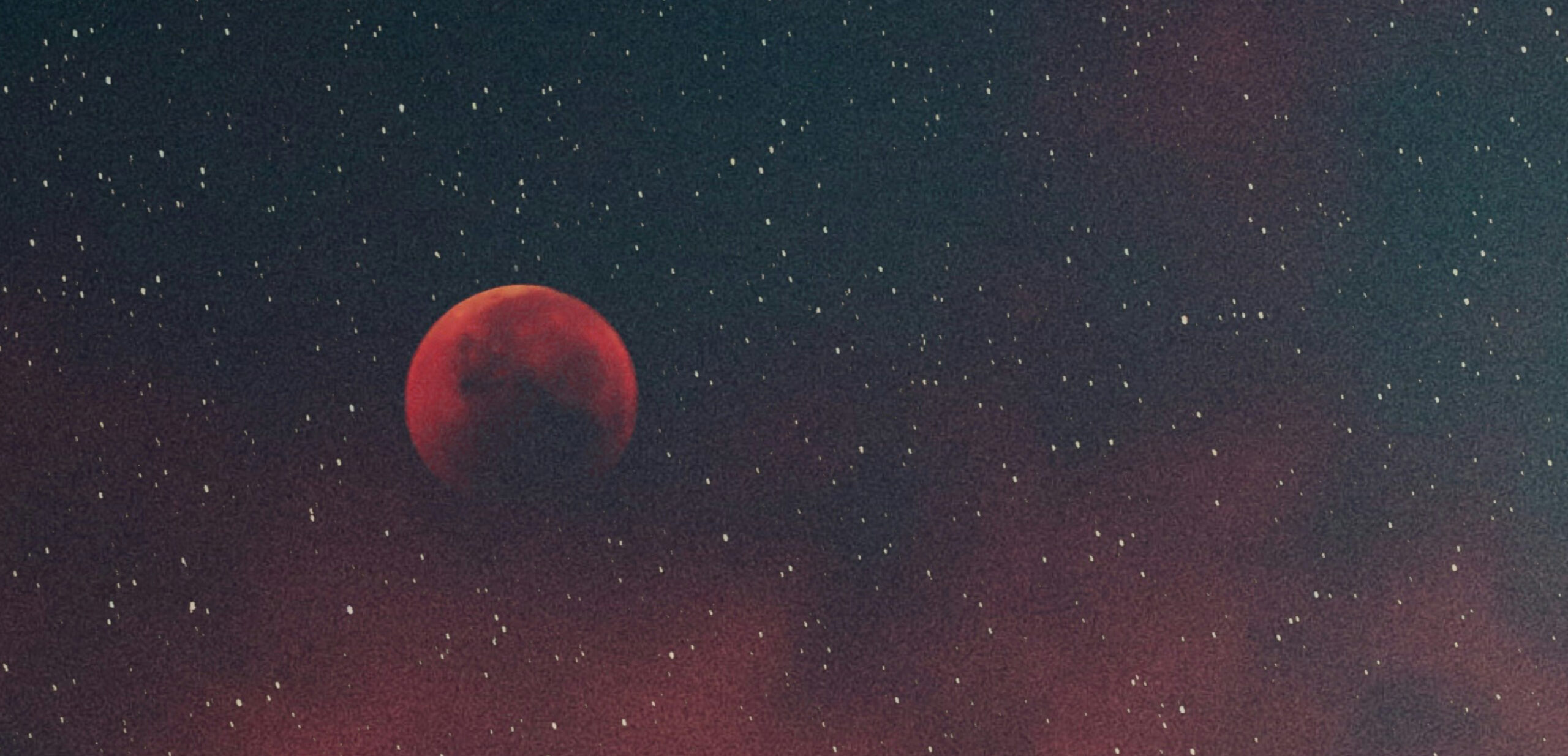
What is a Blood Moon?
A blood moon happens during a total lunar eclipse, when the Earth moves directly between the sun and the moon. As the moon passes into Earth’s shadow, known as the umbra, sunlight filters through our atmosphere and casts a warm red glow across its surface. That dramatic rusty hue is essentially every sunrise and sunset on Earth projected onto the moon at once. Unlike a solar eclipse, it’s completely safe to watch with the naked eye.
When to watch in Australia on March 3
The eclipse will be visible across every state, with totality lasting just under an hour. Here are the key times to look up:
Brisbane (AEST)
Partial eclipse: 7:50pm
Totality: 9:04pm – 10:02pm
Sydney (AEDT)
Partial eclipse: 8:50pm
Totality: 10:04pm – 11:02pm
Melbourne (AEDT)
Partial eclipse: 8:50pm
Totality: 10:04pm – 11:02pm
Adelaide (ACDT)
Partial eclipse: 8:34pm
Totality: 9:44pm – 10:32pm
Perth (AWST)
Moonrise: 6:43pm (already partially eclipsed)
Totality: 7:04pm – 8:02pm
Darwin (ACST)
Partial eclipse: 7:34pm
Totality: 8:34pm – 9:32pm
The sweet spot is during totality, that’s when the moon shifts from shadowed to fully red.
Why this one feels special
This is the last total lunar eclipse clearly visible from Australia until 2029. It also coincides with March’s full moon, traditionally known in the Northern Hemisphere as the worm moon, adding a seasonal layer to the event.
If you’re heading out, avoid bright lights and give your eyes a minute to adjust. The colour change is gradual, so don’t expect it to happen all at once. Your phone will probably capture a blurry orange dot.