The Story Of SWOP: In Conversation With Founder Brigid Gordon On Building Australia’s Fave Consignment Empire
the circle of life
By Kiri Johnston | 12th June 2026The way we shop has changed dramatically over the past decade. Once driven by seasonal trends and endless newness, fashion consumers are increasingly seeking out pieces with a story, a sense of individuality and a longer life beyond a single season. Few people have witnessed that shift as closely as Brigid Gordon. As the founder of SWOP, one of Australia’s original fashion resale businesses, she has spent more than a decade at the forefront of an industry that has transformed from a niche corner of retail into a thriving part of the fashion landscape.
From the rise of resale culture to the growing demand for more thoughtful consumption, Gordon shares her perspective on the shifts shaping fashion today.
SWOP opened its first store in West End back in 2013, long before circular fashion became part of the mainstream conversation in Australia. Looking back now, did you always believe resale would eventually become the future of fashion?
Honestly, not at all. I just thought it was a really practical and fun way to shop, and I wanted to offer that to the community. I was always drawn to what secondhand offered, which was an affordable and exciting way to express yourself. I had no idea it would become the industry it is today, but looking back, it makes complete sense, and I love that it has!
The way Australians shop has changed dramatically over the past decade. What shifts have you noticed most when it comes to fashion consumption and shopping habits?
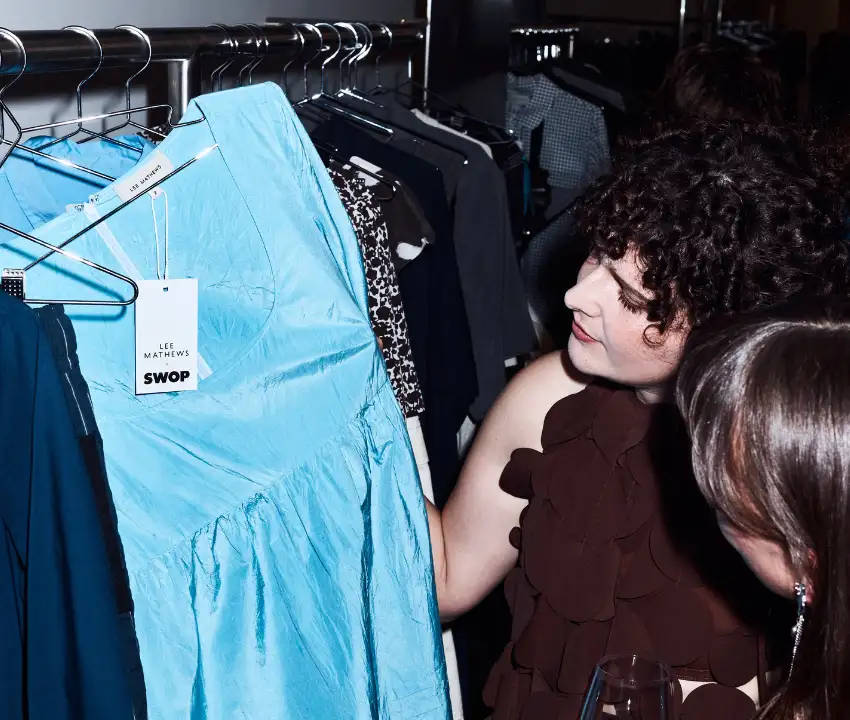
When SWOP first opened 13 years ago, there was still a lot of hesitation around buying secondhand — now it’s completely normal. Watching that shift happen in real time and seeing so many incredible secondhand, resale and consignment stores emerge across Australia feels like a full-circle moment, and I’m so glad SWOP got to be part of it.
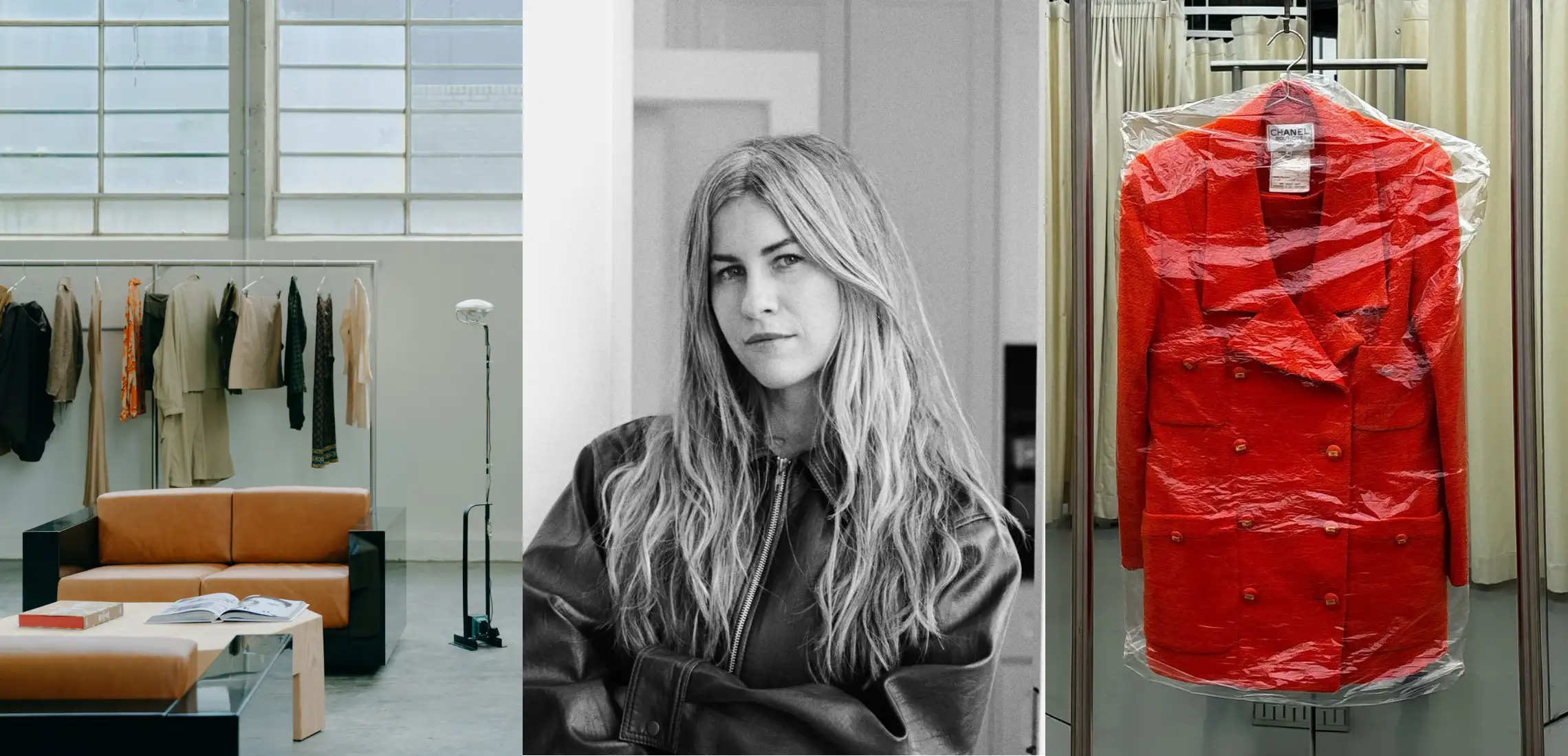
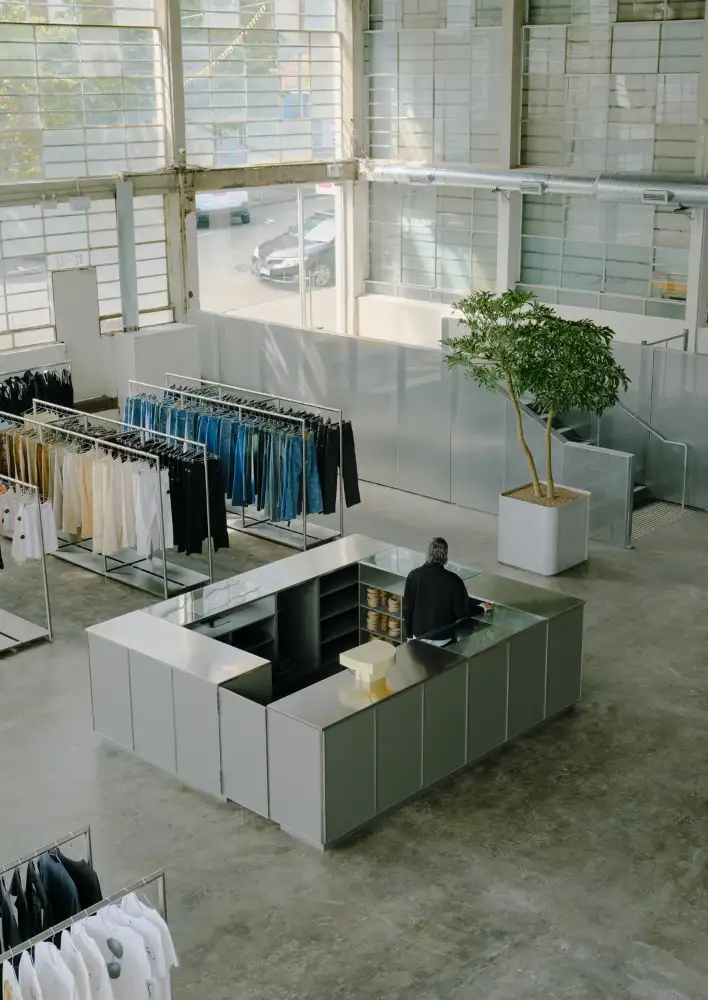
Your newest South Melbourne location is now your biggest store yet. Did opening a space of that scale feel like a turning point for the business?
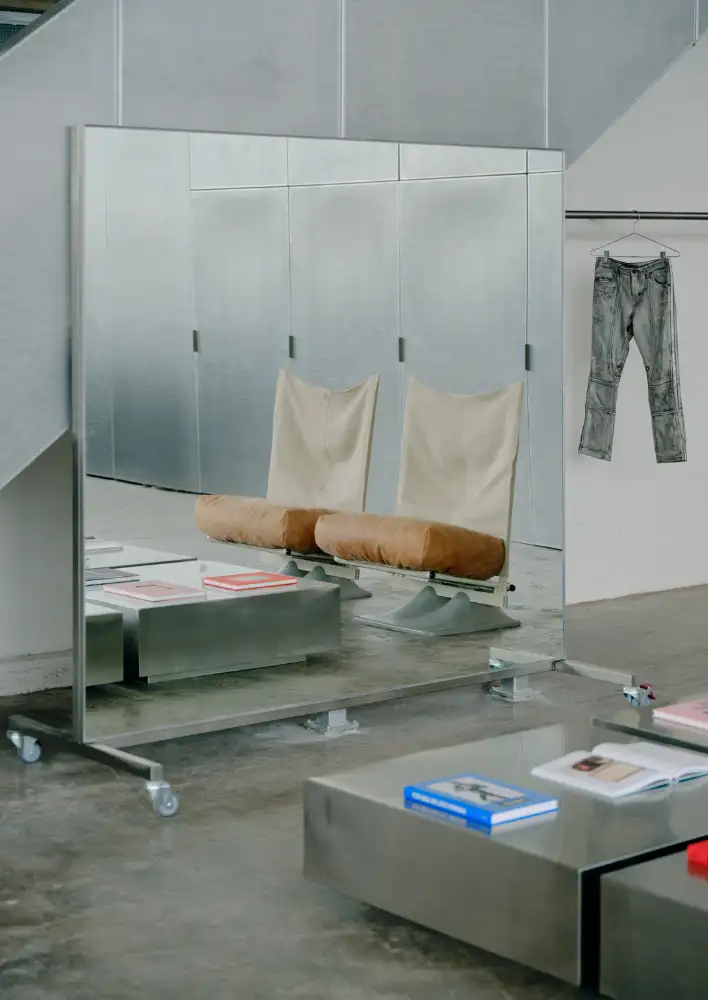
Yes, it felt like we were investing in a bigger idea – that even in an increasingly digital world, people still crave physical spaces that foster beauty and connection. We wanted to create an atmosphere you might associate with cities like New York, Paris or Berlin, but right in your own neighbourhood, and we knew our Melbourne community would embrace that. I love the idea that your local resale store, wine bar or bookshop can become something more – a place that helps shape culture, community and how people connect with each other.
SWOP launched before platforms like Depop and before resale culture exploded online. How has social media changed the secondhand fashion landscape?
Social media has exposed us to so much, but one positive outcome is the depth with which we all now engage with fashion online – the runways, the history, the ideas, the sustainability – on a scale that simply didn’t exist before. I think that’s been a big contributor to resale’s popularity.
Fashion resale was once seen as niche or alternative, but now it feels aspirational, curated and culturally relevant. What do you think caused that shift?
We move through trend cycles so quickly now, and resale is just a really smart way to participate in that responsibly. Because so many trends are happening at once, individual taste is becoming more interesting than the trends themselves. And curated quality secondhand inventory is exactly where people find that inspiration!
Younger shoppers seem increasingly focused on individuality over trend cycles. Do you think resale fashion allows people to develop a more personal sense of style?
Definitely, and I think having the physical in-store experience increases it as well – you don’t always know if something will fit or feel right until you try it on. There’s something really satisfying about picking up a piece you’d never normally consider, trying it on and loving it. The price point of resale also lets you experiment – you can try out a new look without risking too much. And then the pieces you fall out of love with can go back into circulation for someone else to find.
Sustainability is obviously part of the conversation, but do you think people are also becoming more intentional about consumption generally?
Definitely, people are generally more intentional about what they buy, why they buy it, and what it says about them. Style and values are no longer seen as separate things, and resale represents that idea really well. Fashion can still be about connection, self-expression, individuality and culture, while also being considered and responsible. Those ideas have always been central to what SWOP is, and I think our customers see that.
SWOP feels very different to the traditional perception of op shopping. Was elevating the experience of buying secondhand always part of your vision?
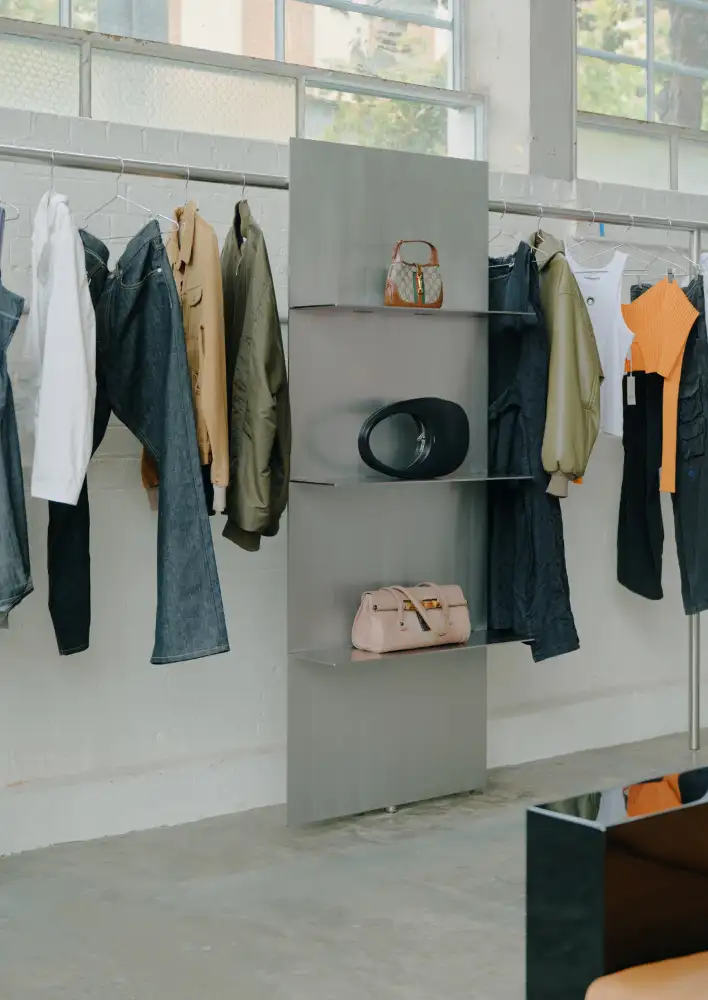
The vision for me was to reimagine what secondhand shopping could feel like – so that walking into SWOP is just as inspiring and elevated as walking into your favourite boutique or luxury store.
How important has curation been to changing people’s perception of pre-loved fashion?
Curation has been important because it makes the experience feel intentional rather than overwhelming. Because resale offers so much variety, thoughtful curation and visual merchandising help create a sense of discovery instead of chaos.
Do you think Australians are becoming less interested in owning more and more interested in buying better?
Over the past few years, there’s been a real shift toward buying less and choosing more carefully – much more consideration around quality and longevity, and what actually speaks to you and makes you feel great.
Through both SWOP and Prise Op Shop, circularity has clearly remained central to the business. Why has extending the life cycle of clothing always mattered to you personally?
I like the idea of doing what you can with what you have. Since we’re in the resale business, it felt like a no-brainer to extend that further through our social enterprise and to keep as much clothing out of landfill as possible and put money into the hands of people who need it most. I’m very proud of what SWOP and PRISE are building together.
Looking ahead, what do you hope the future of Australian fashion retail looks like?
I think it’s a really exciting and innovative time. Australia is full of incredibly talented people, so I think the future is bright! The rising cost of retail space will mean emerging designers/retailers might need to get creative – but I actually think that pressure can produce really interesting outcomes. It’s what pushes people to think differently, to find new models, new communities, and new ways of connecting with their customers. We had to do that too, and it shaped a lot about how SWOP operates today.
As fashion continues to evolve, one thing is becoming increasingly clear: the future isn’t necessarily about buying more. It’s about buying with intention, finding pieces that resonate and embracing new ways of participating in fashion.
For Brigid Gordon, that’s what resale has always represented. Not just a more considered way to shop, but a more creative, personal and connected one too.