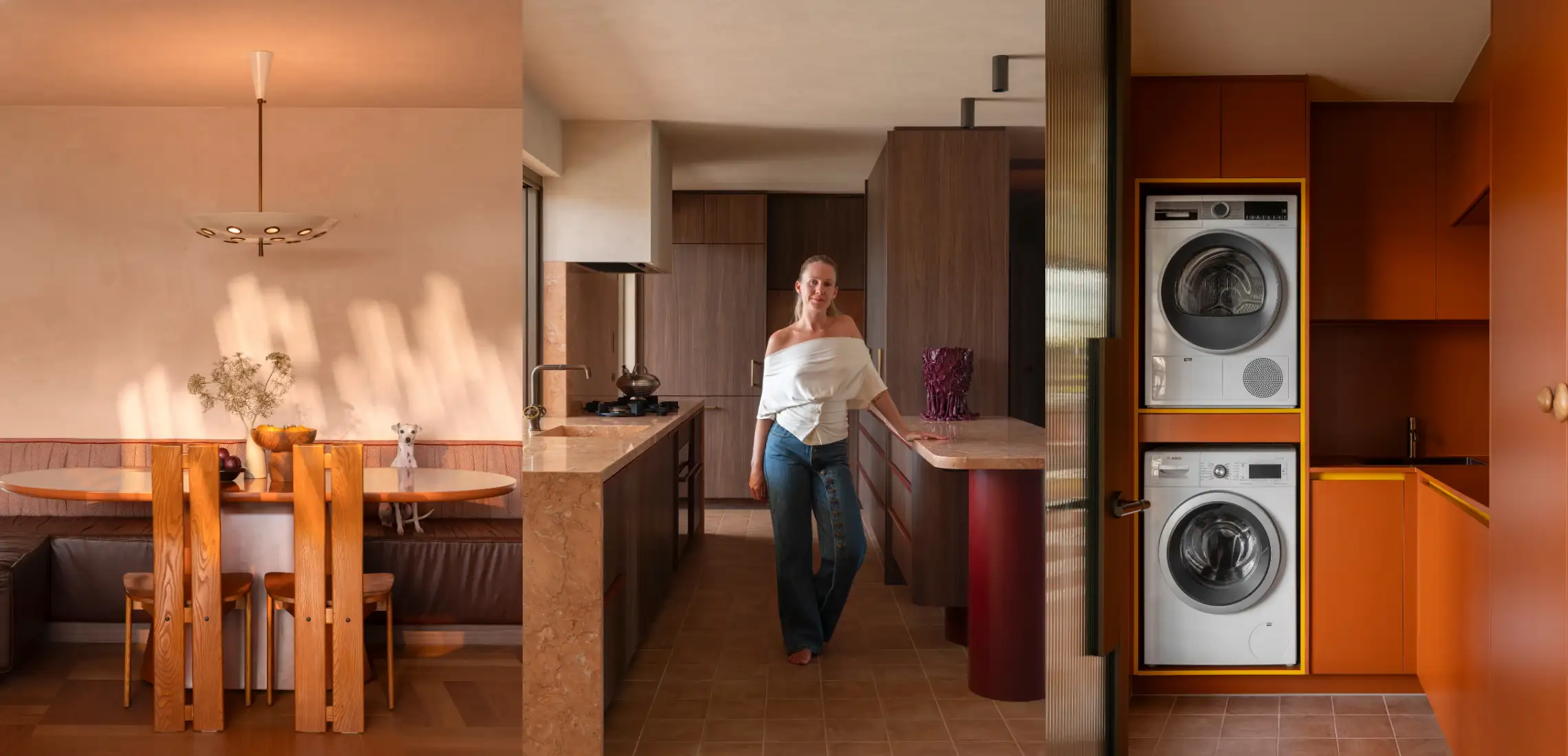
The Refurbished Mermaid Waters Home Of Interior Designer Madison Bell
Interior Motives
By Natalie McGowan | 7th May 2026Interior designer Madison Bell invites us into the design process for the first project under her rebranded firm, Desa Bell: her own Broadbeach Waters home.
What was the brief and the initial vision for your home?
The brief was to create a home that felt deeply personal yet quietly refined, somewhere that balanced warmth, texture, and restraint. I wanted it to feel layered and lived-in rather than overly designed, with a strong connection to natural materials and light. The vision was a calm, grounded space that carries subtle references to places I’ve travelled, without feeling theme-driven.
Drawing on your experience as an interior designer, were there features or details that were non-negotiable? And were there any things you knew you wanted to steer clear of?
Non-negotiables were material authenticity, natural light, and a strong sense of cohesion throughout. I was very intentional about avoiding anything overly trend-driven or decorative for the sake of it. I also steered clear of overly polished finishes as I wanted everything to feel tactile, slightly imperfect, and human.
What were some of the key references or inspirations you returned to throughout the process?
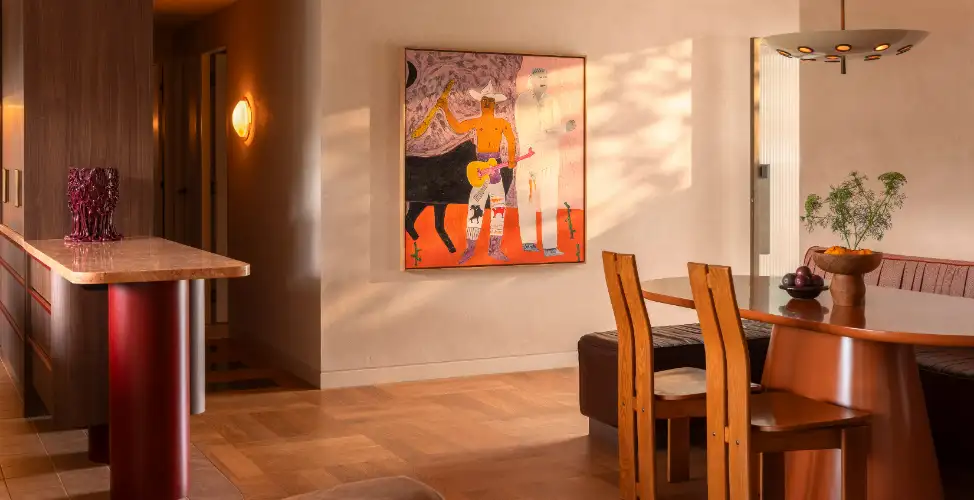
I kept returning to spaces that felt effortless, homes where the materials did the talking. References ranged from Mediterranean to more textural, handcrafted spaces in Central America and parts of Asia. It was less about specific projects I’d seen and more about a feeling — soft light, aged materials, and a sense of calm simplicity.
Your home is inspired by your travels across Asia, Central America, and the Mediterranean. Are there any specific design elements influenced by your experiences overseas?
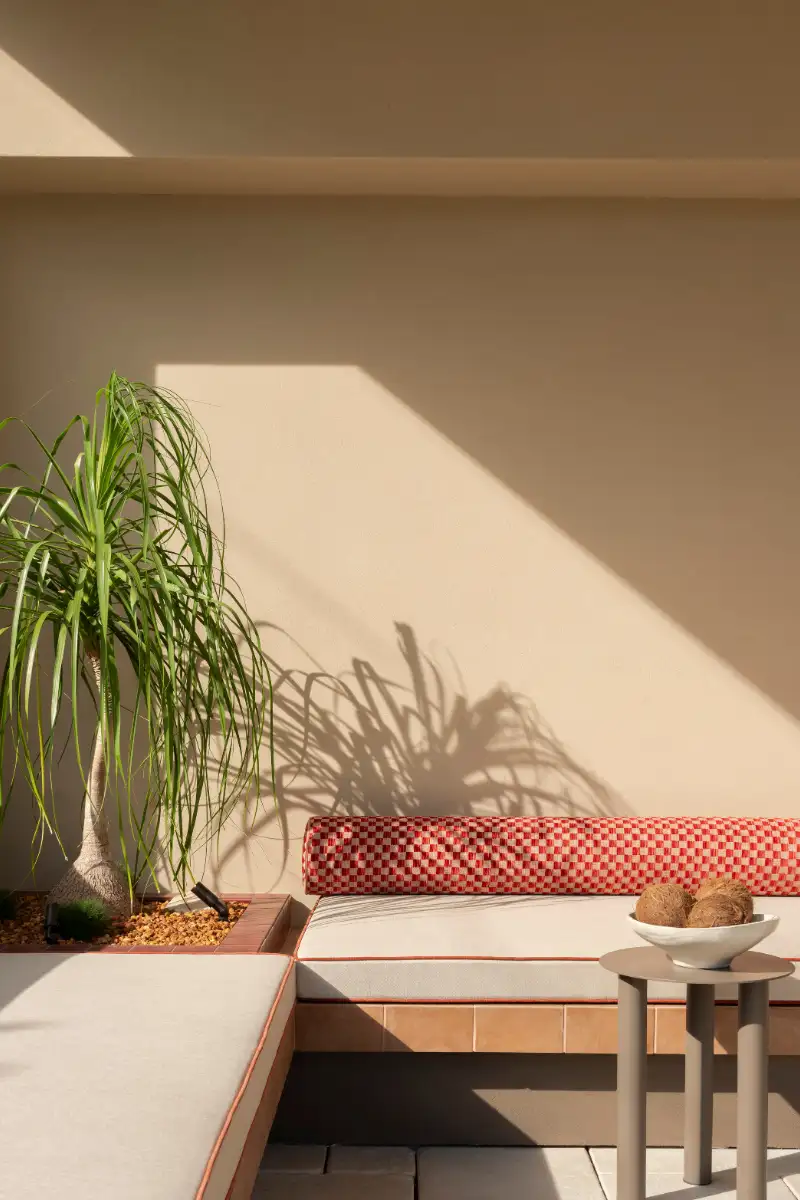
Definitely, the use of natural, textural finishes was heavily influenced by what I saw abroad; things like rendered walls, handmade tiles, and warm timber tones. There’s also an emphasis on indoor-outdoor flow and a slower, more relaxed way of living, which I experienced a lot while travelling.
Are there any souvenirs or objects picked up on your travels that now feature in your home as decor?
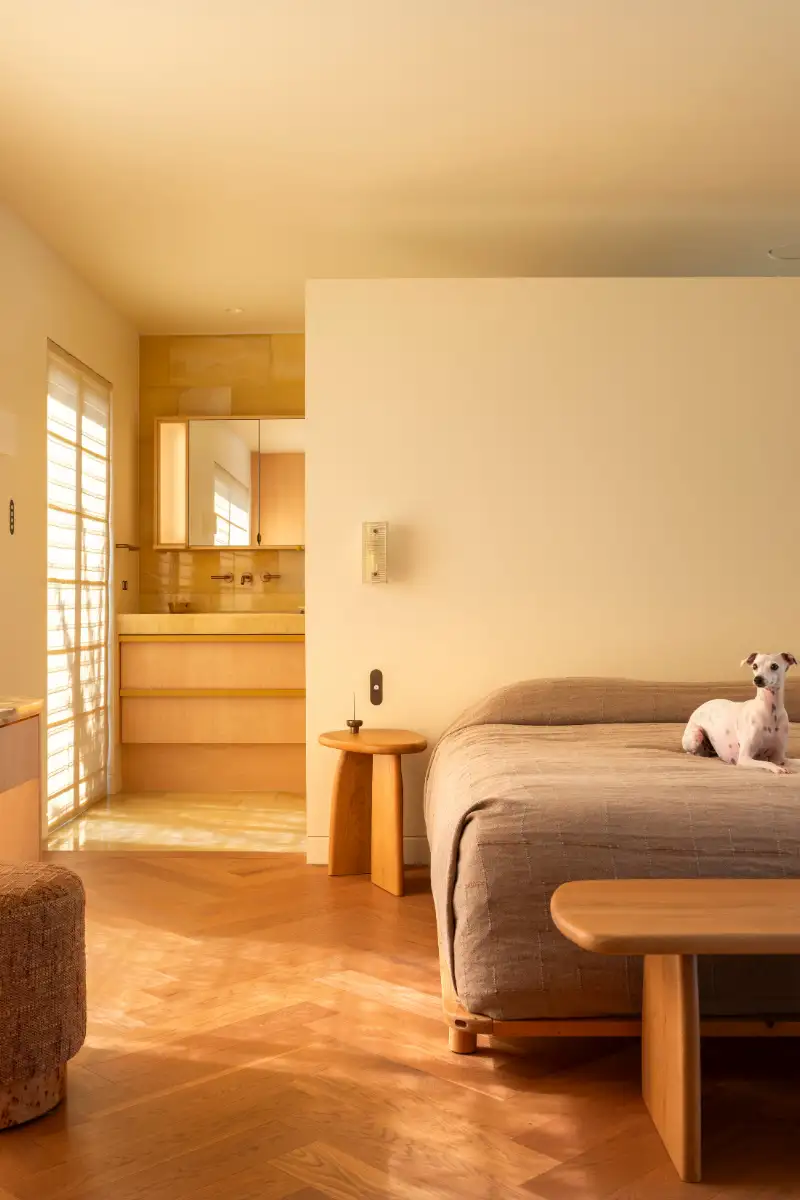
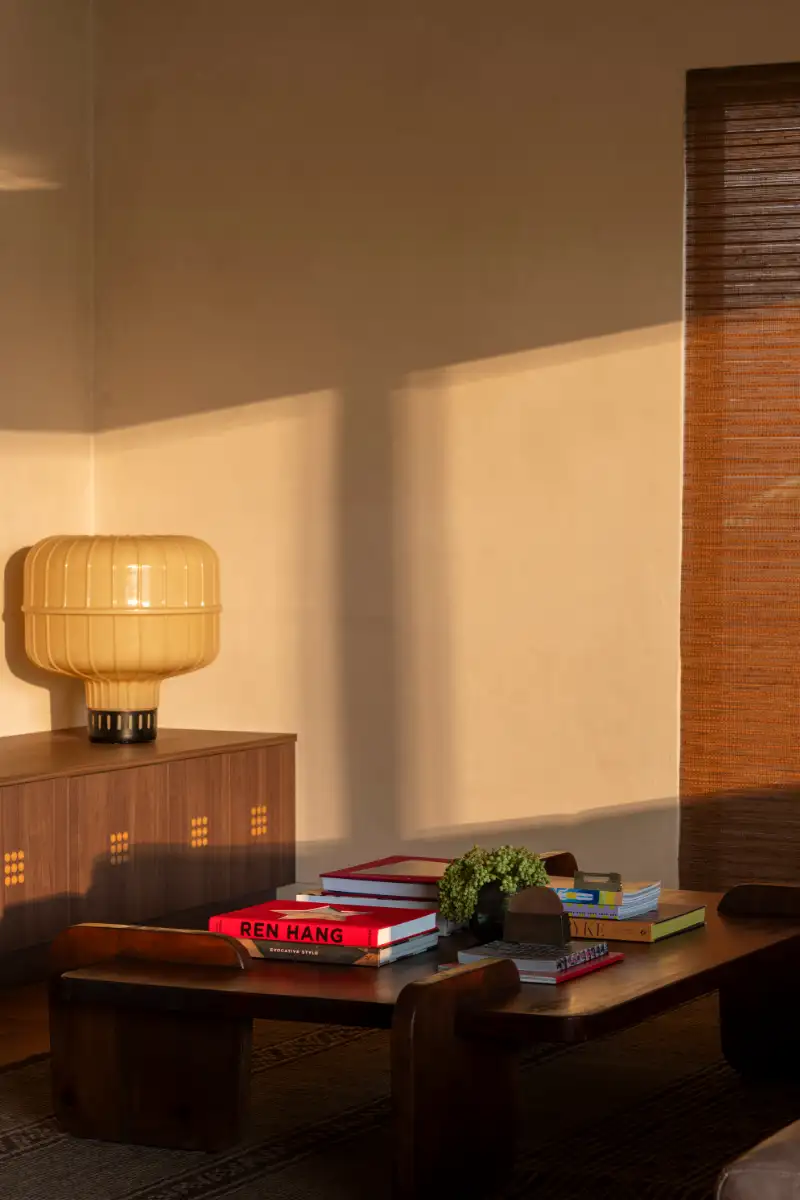
Yes, a few pieces are quite special: ceramics, art, and smaller handcrafted objects collected along the way. They’re not overly styled, but rather integrated naturally into the space, which makes them feel more meaningful and less like display pieces.
Can you talk us through some of the key materials, finishes, or textures you chose for the home?
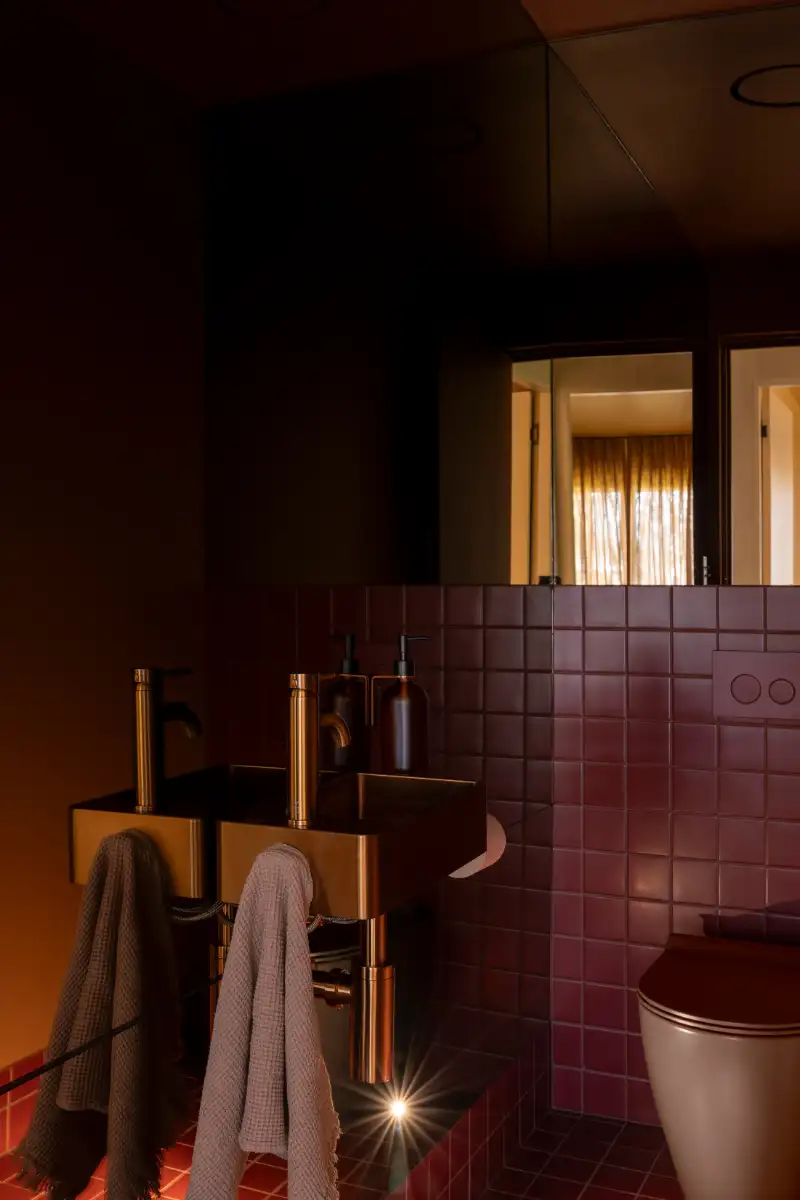
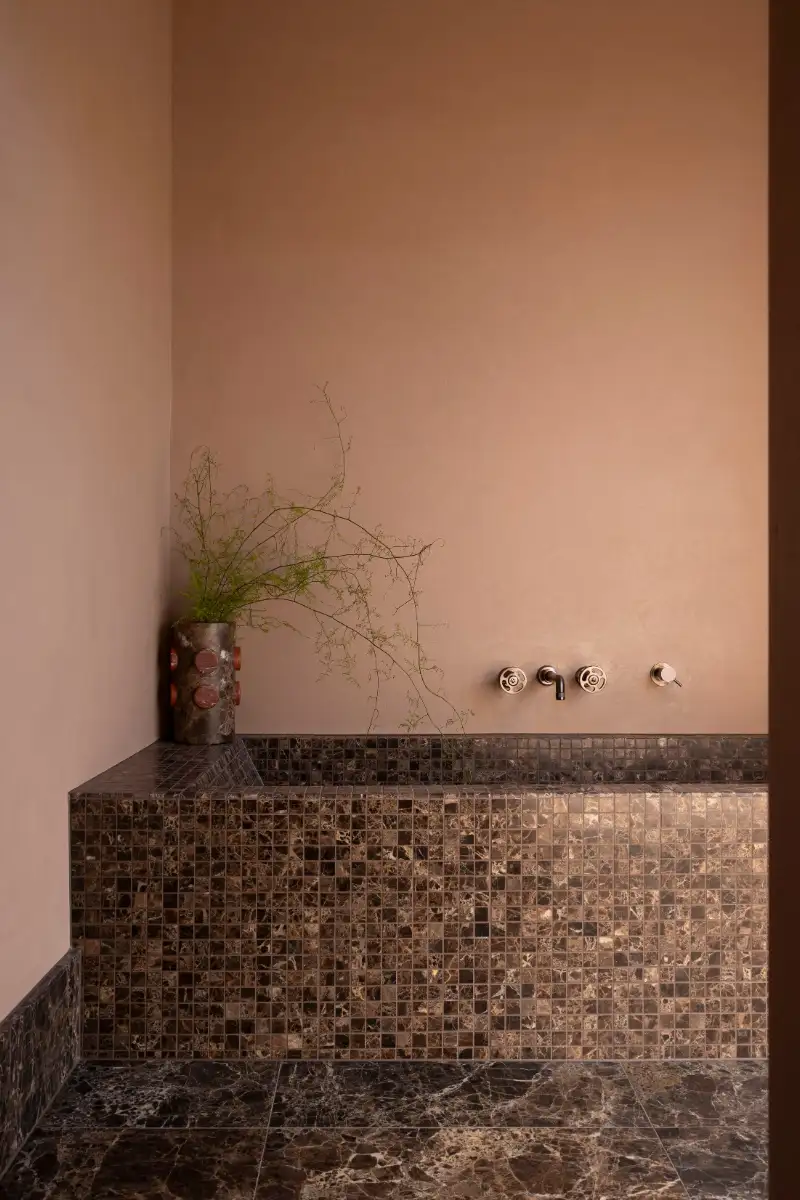
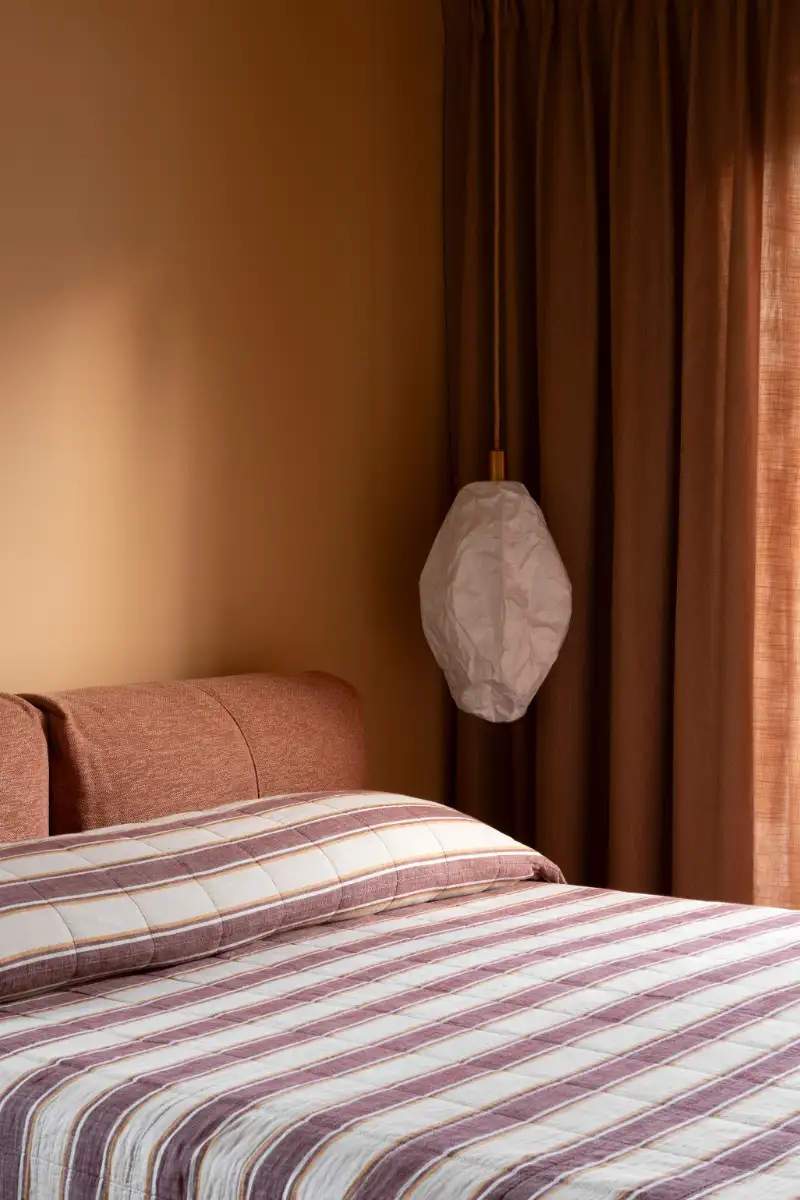
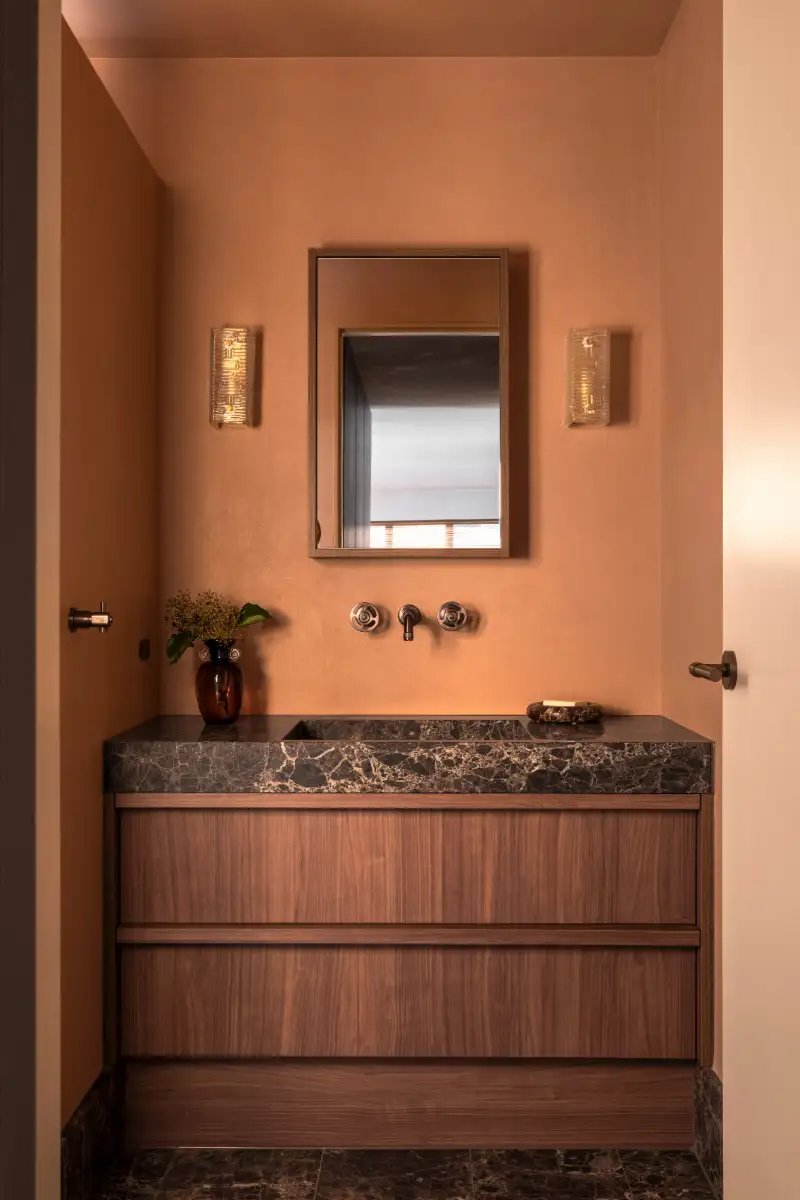
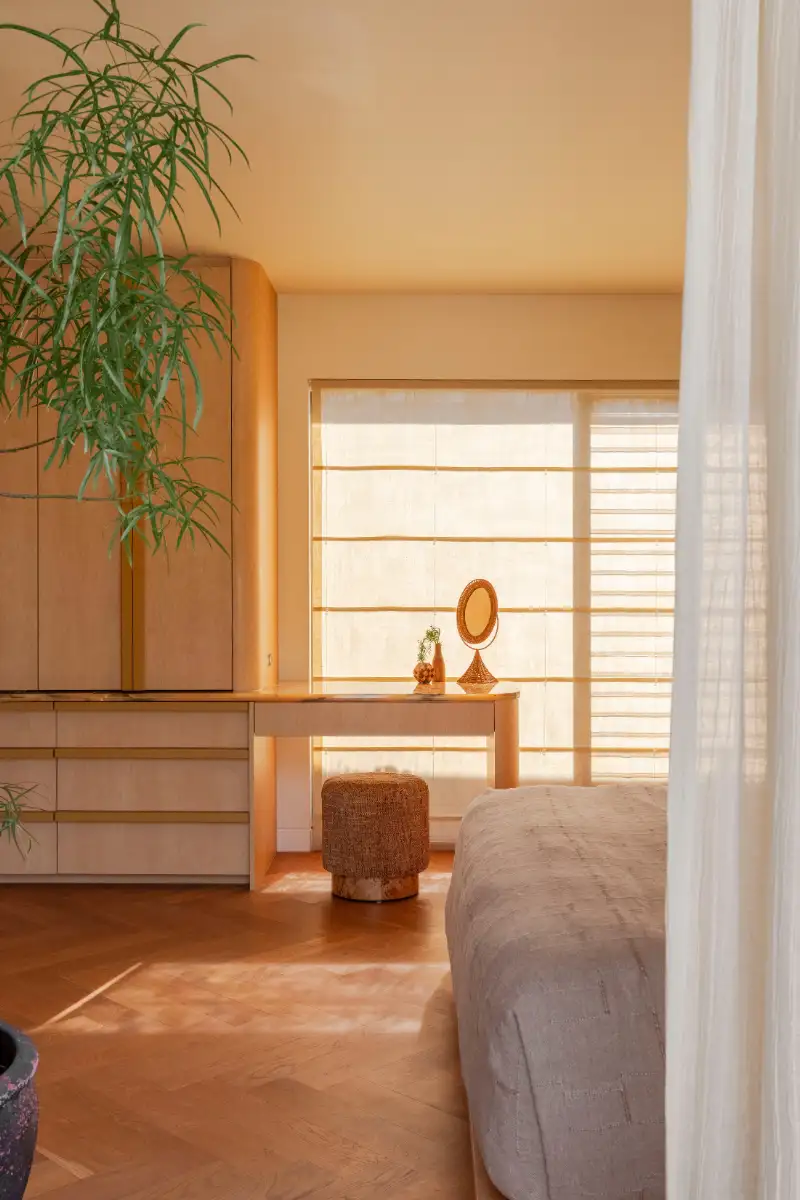
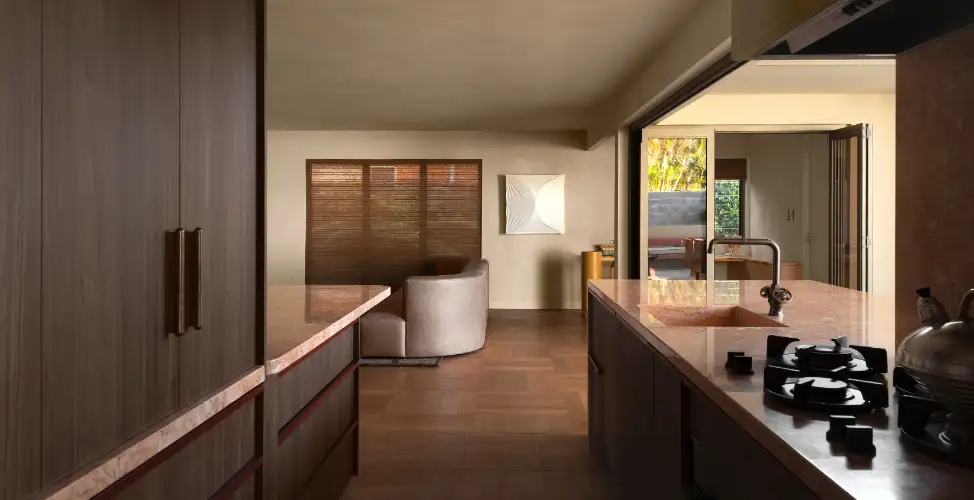
The palette is grounded in natural materials like timber, stone, and marble. There’s a focus on softness and depth, so finishes are generally matte or lightly honed rather than polished. Subtle variation and grain were really important to me, as they bring warmth and prevent the space from feeling flat.
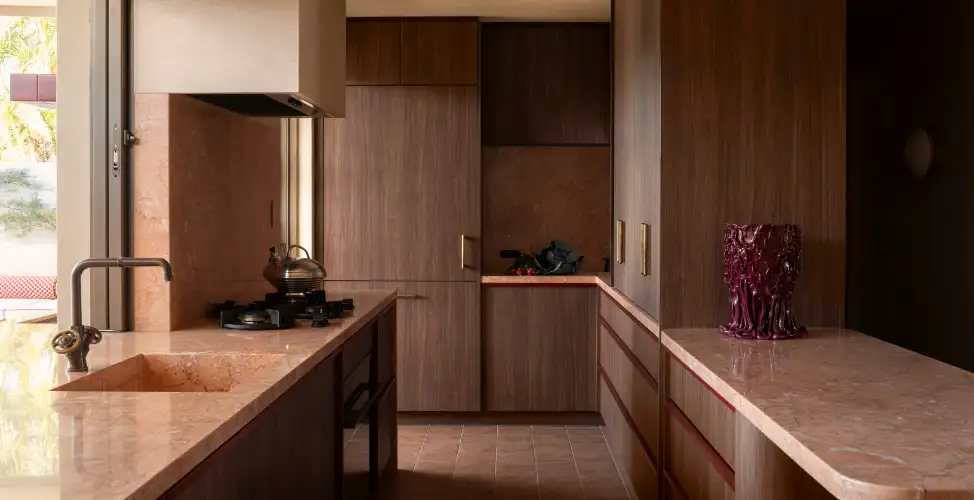
How did you curate furniture, artwork, and decorative elements to support your overall vision?
Everything was selected with restraint. I focused on pieces that felt timeless. Artwork and objects were chosen to complement the material palette, not compete with it — so it was more about layering than filling the space.
Did you incorporate any custom or bespoke pieces that were particularly important to the design?
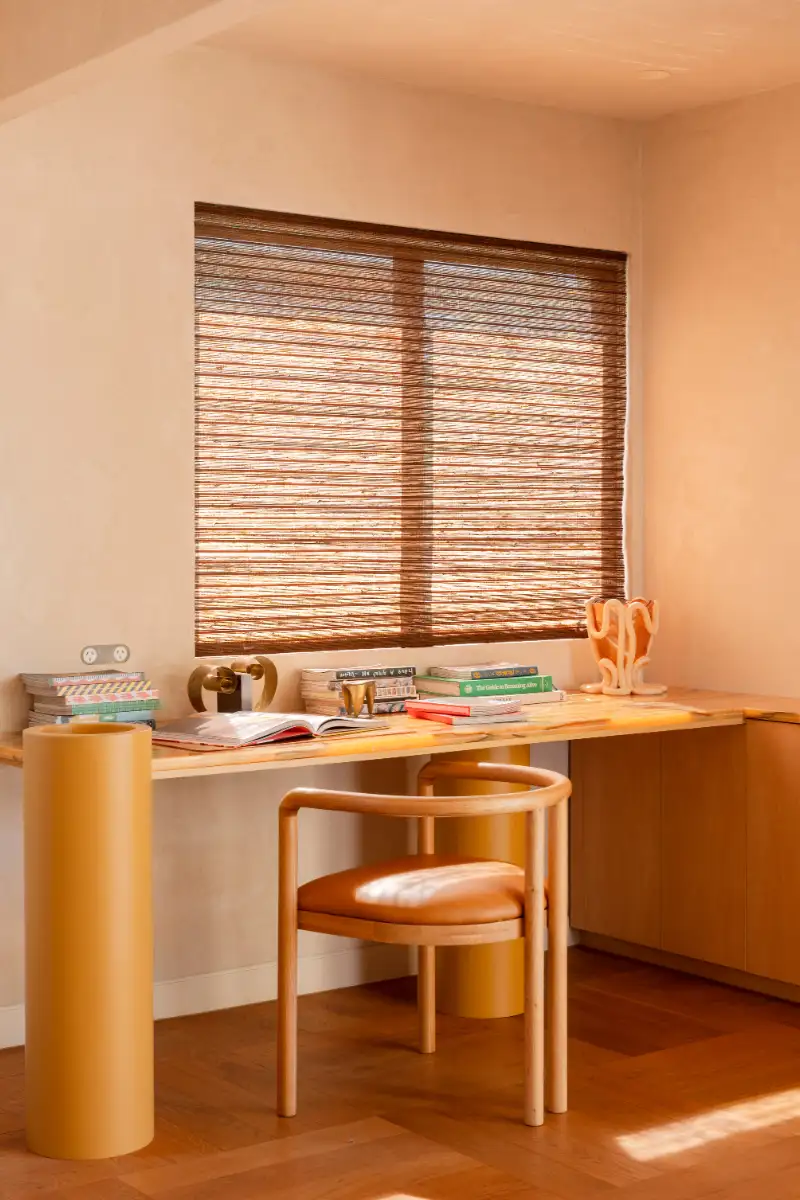
Yes, a number of joinery elements and furniture pieces were custom-designed to ensure they felt integrated rather than added on. These pieces allowed me to control proportions, finishes, and how everything connected, which was key to achieving a cohesive outcome.
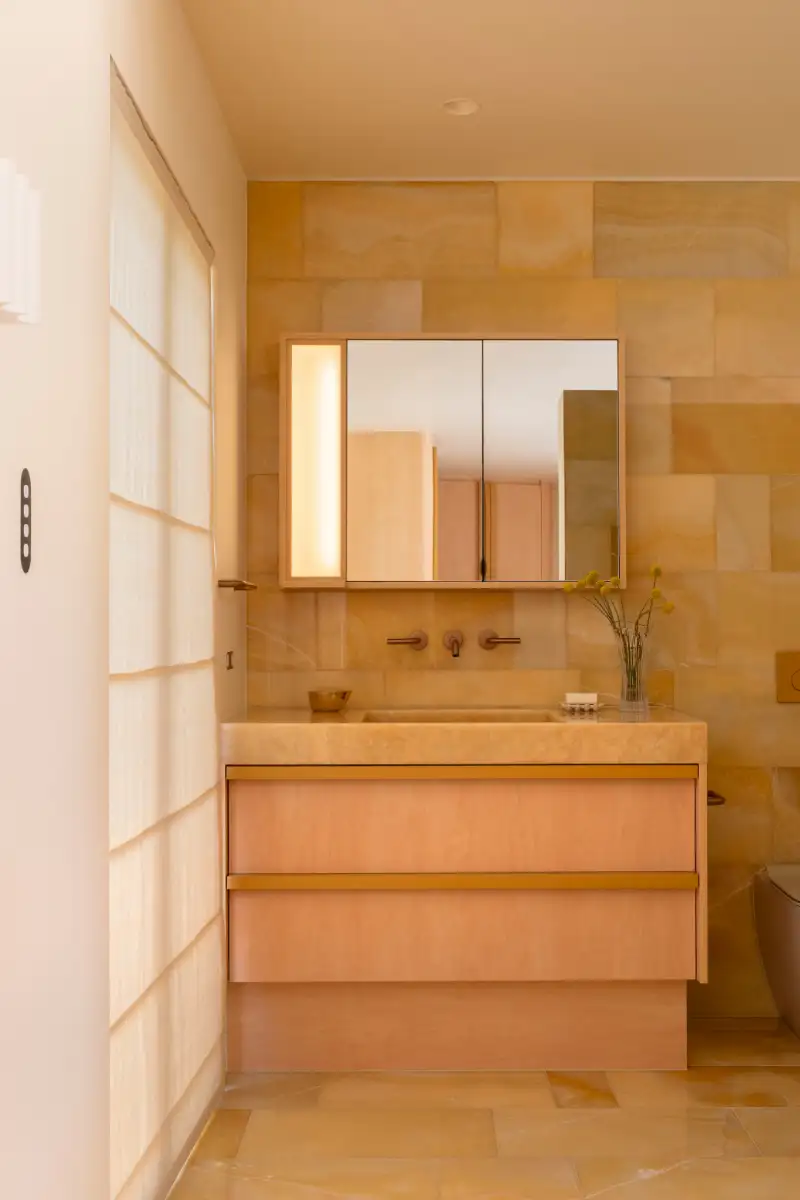
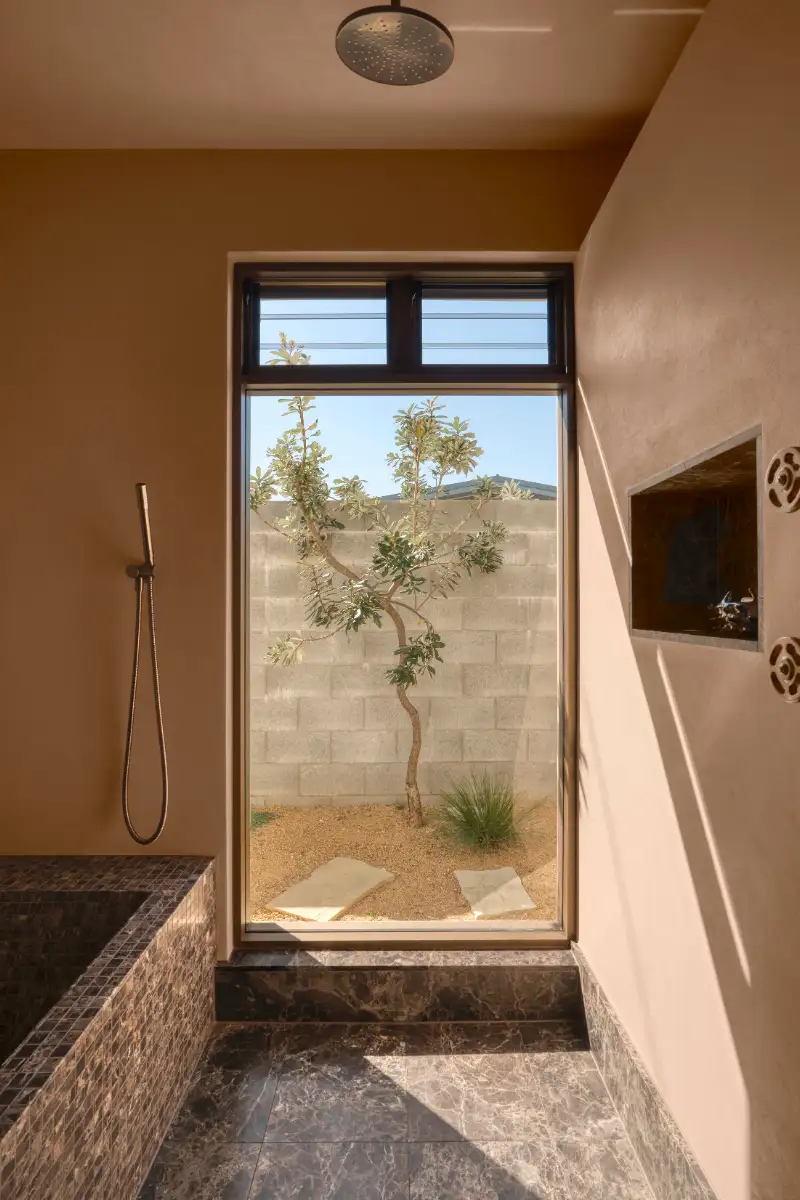
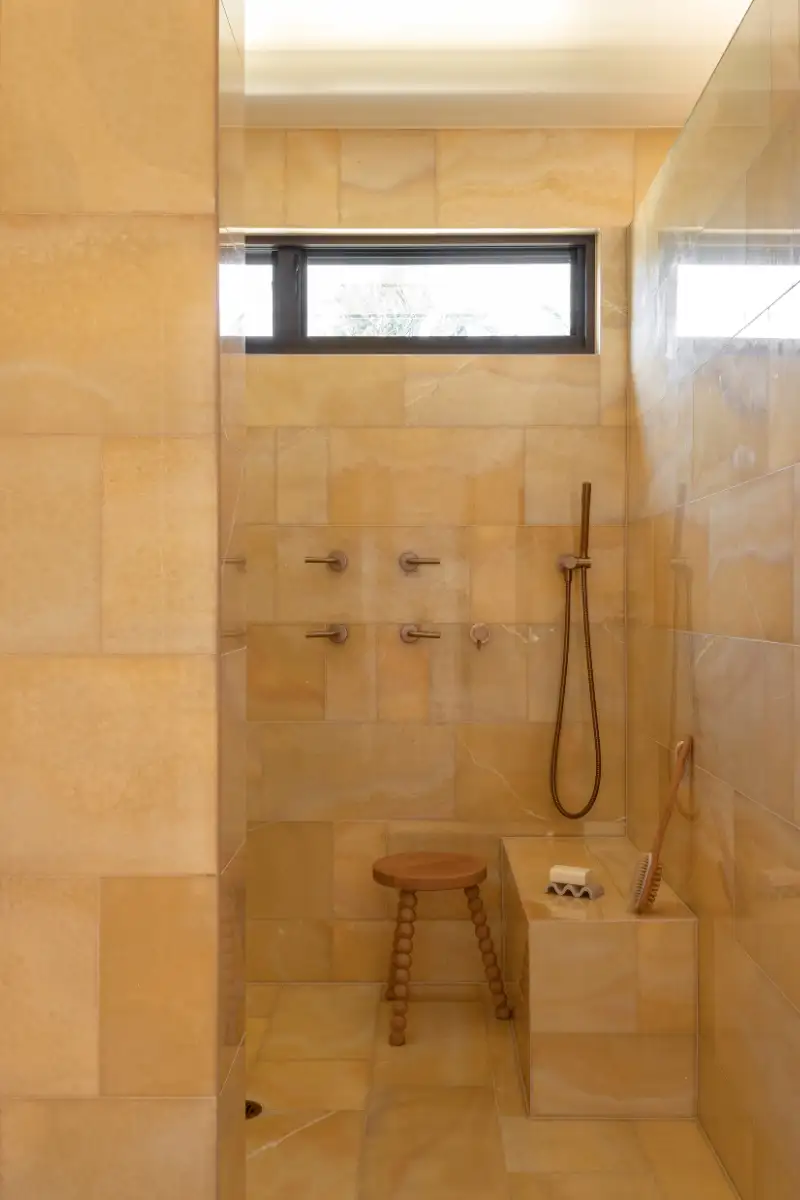
How did you want the home to feel?
Calm, warm, and quietly elevated. I wanted it to feel like a place to slow down — soft, inviting, and grounded, without feeling heavy.
What part of the home are you most proud of and why?
I’m most proud of how cohesive it feels overall. There isn’t one standout moment. It’s more the way each space flows into the next and how consistent the material language is throughout.
Were there any elements you were keen on implementing that didn’t quite pan out or had to be adapted?
There were a few moments where practicality had to take priority. Certain materials or details needed to be refined to suit everyday living, but those adjustments ultimately strengthened the design rather than compromised it.
Designing for a client versus designing for yourself – how different was the experience and what did you learn about your own taste?
It was definitely more instinctive designing for myself. With clients, there’s a level of translation and guidance, whereas here I could be more intuitive. It reinforced that my personal taste leans towards restraint, texture, and longevity over anything overly expressive.
I know that scent is very important to your design ethos. What was the fragrance identity for your home and why?
The fragrance identity was built around warmth and subtlety; something grounding but not overpowering. I leaned towards soft woody notes with a slight freshness to reflect the material palette and overall mood of the home. It’s designed to enhance the atmosphere rather than define it.