Inside One Of Singapore’s Most Coveted Hotel Suites, Redesigned By Simone Haag
Room service
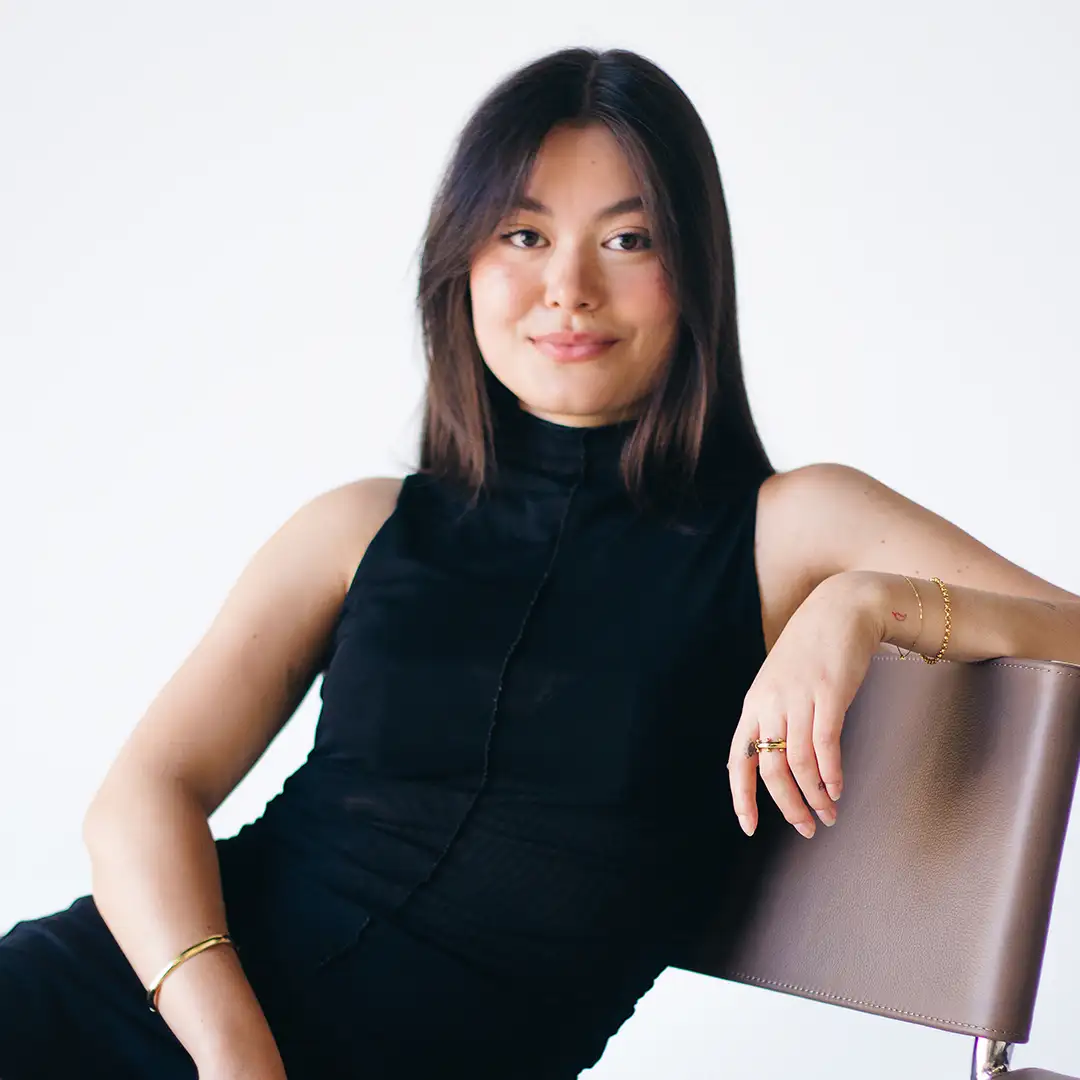
By Natalie McGowan | 17th April 2026On Singapore’s Sentosa Island – a lush, 500-hectare resort island offering pristine beaches, award-winning spas, and luxury accommodation – is where you’ll find the work of Simone Haag: a Melbourne-based interior decorator boasting a wealth of design accolades.
When you first walked the site on Sentosa Island, what was your immediate instinct about what this space needed?
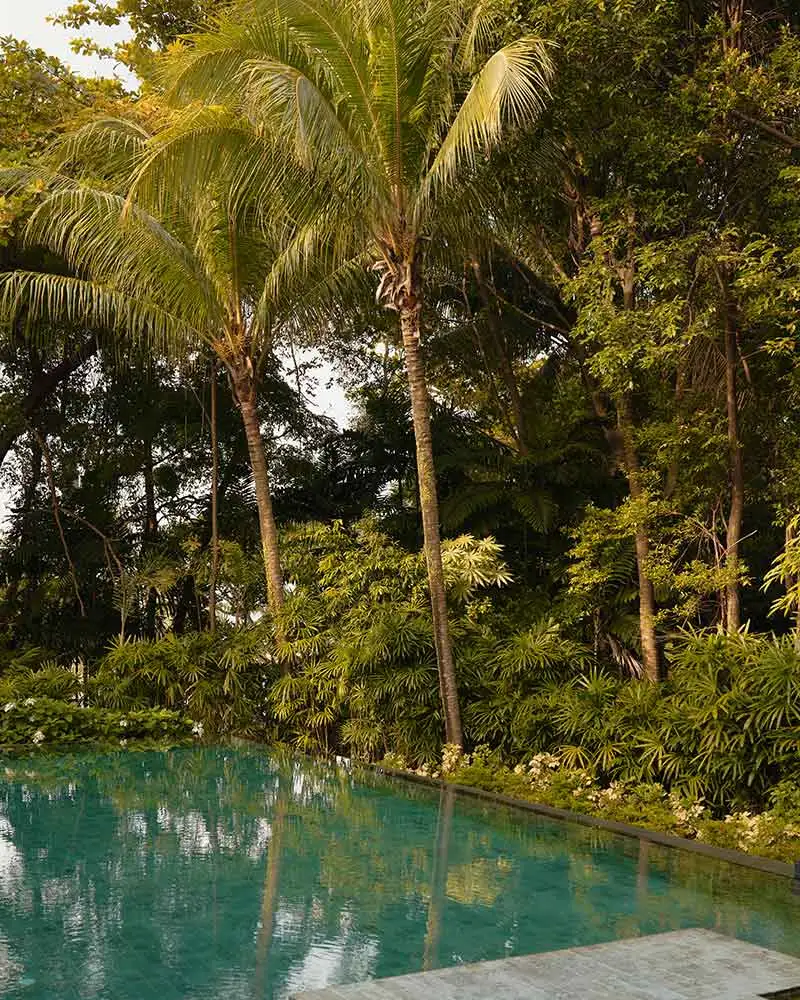
There was an immediate sense of stillness and history. The architecture carries a certain weight, softened by the surrounding landscape of tropical foliage. My instinct was that the interiors needed to sit quietly within that context, not compete with it. It called for spaces that felt calm and grounded, with moments of interest revealed gradually rather than all at once.
Capella’s brief was for guests to feel relaxed and at ease, as though they were in a private home, while still experiencing the luxury and amenities of the hotel. In practical design terms, what does that actually mean and how did you go about realising this vision?
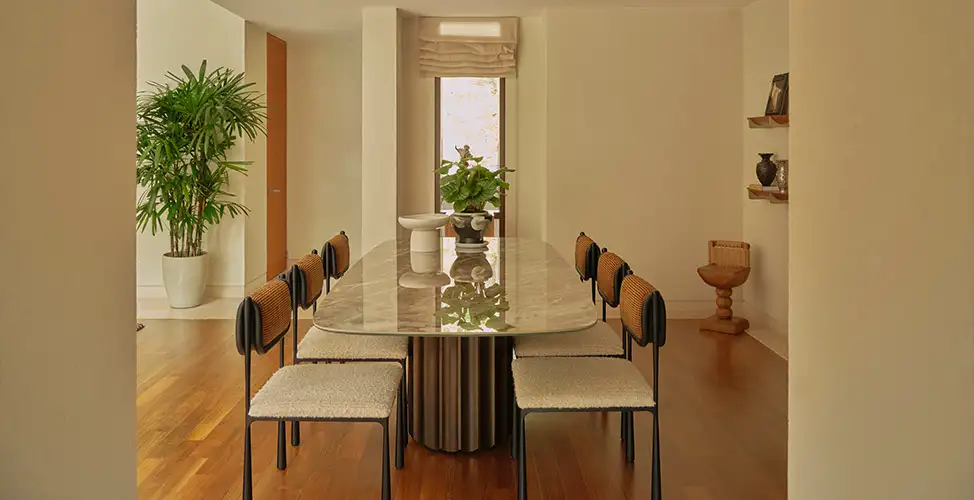
For us, it’s about shifting the language away from hospitality and toward something far more personal. In practical terms, this came easily, given that our work is predominantly in residential homes. We took the same approach we do with all our projects, with thoughtful sourcing, commissioning custom pieces and collaborating with a global network of artisans, vintage dealers and makers, focusing on creating rooms with a unique personality. There’s a looseness to our curation, a sense that objects have been collected over time rather than installed all at once. Subtle cues like layered textiles, warm tonal palettes, and pieces with patina and history allow guests to immediately feel at home, while still being quietly supported by the amenities of a luxury hotel.
Capella Singapore came off the back of your work on Capella Sydney. How did that existing relationship shape the process this time around?
There was already a level of trust and a shared understanding of what we were trying to achieve, which is invaluable. With Sydney, we had established a look centred on craftsmanship, creativity and the idea of home within a hotel. In Singapore, that existing relationship allowed for a more intuitive process, where we could focus on refining and evolving the design language suitable for this unique location. It gave us the confidence to push the residential qualities further.
How did Singapore and Sentosa Island itself find their way into the design?
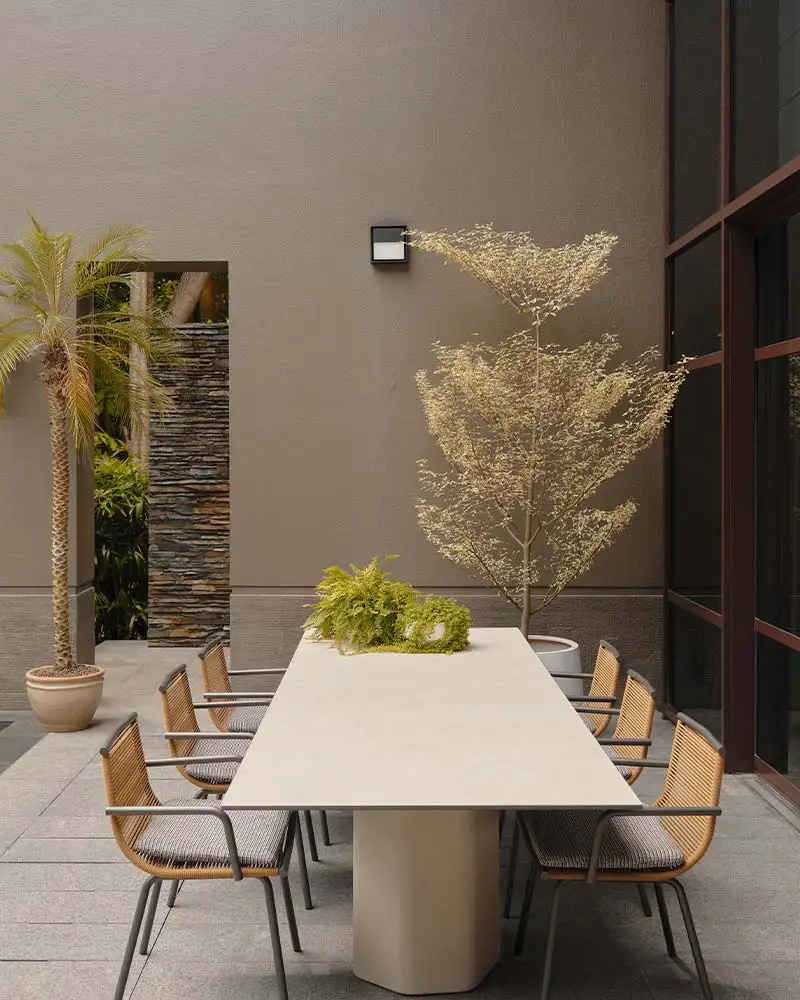
It was never about making literal references, but rather about absorbing the atmosphere and translating it in a more subtle way. We introduced Asian textiles and motifs and worked with materials and finishes that respond to the climate, such as hot-climate timbers, breathable fabrics, and tonal variation that reflects the surrounding landscape. There’s also a certain cultural richness in Singapore and a layering of influences, so we echoed that through the mix of vintage and contemporary pieces, allowing the interiors to feel both local and international.
Did you spend much time in Singapore during the project? If so, what did you observe about the city that helped your design work?
Our small team travelled to Singapore, which was an important part of the process. Singapore has this remarkable duality — it’s incredibly refined and precise, yet deeply connected to nature and tradition. That contrast informed a lot of our decisions. There’s an elegance to the way the city balances old and new and we tried to reflect that in the interiors with spaces that feel naturally aligned.
You have a large network of artisans, makers, and designers you’ve cultivated over the years. How did you utilise that network for this project?
That network is integral to how we work. Over time, we’ve built relationships with makers, antique dealers and artists across the world, and each project becomes an opportunity to draw from that collective knowledge. For Capella Singapore, it allowed us to create something highly layered — weaving together vintage furniture, custom-designed pieces, commissioned artworks and bespoke rugs. It’s not about any one piece, but the dialogue between them. It’s that depth of sourcing that we find gives the manor and our work a sense of authenticity.
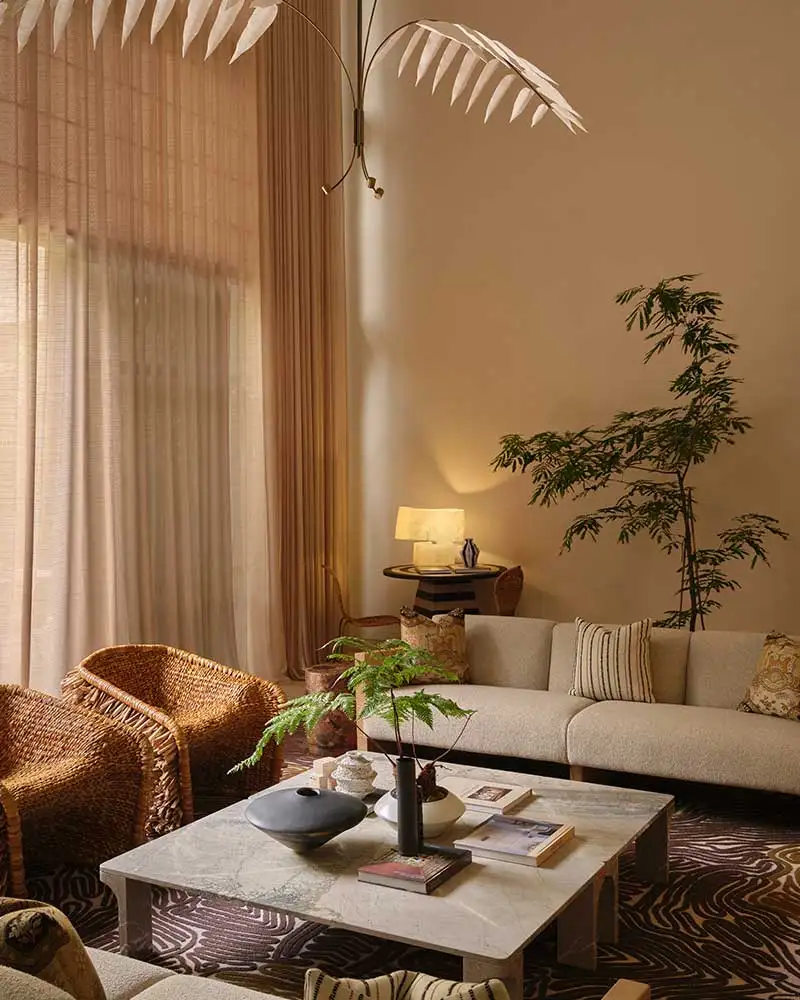
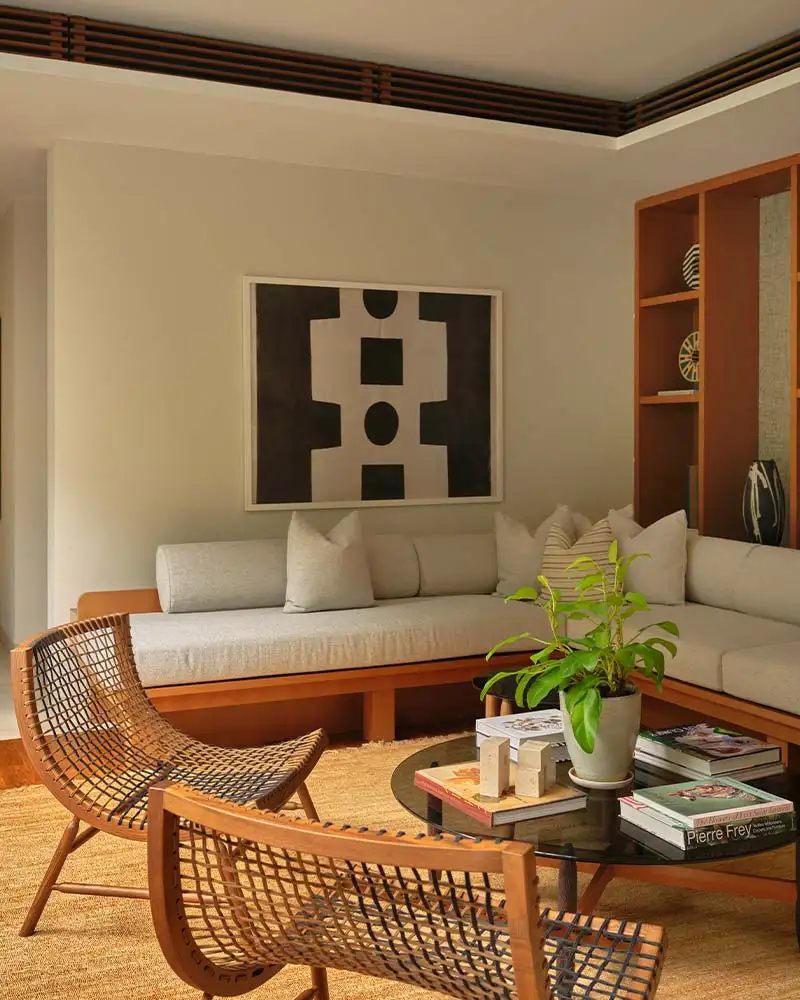
In your opinion, what’s the most unexpected or exciting piece in the Capella Manor and what’s the story behind sourcing it?
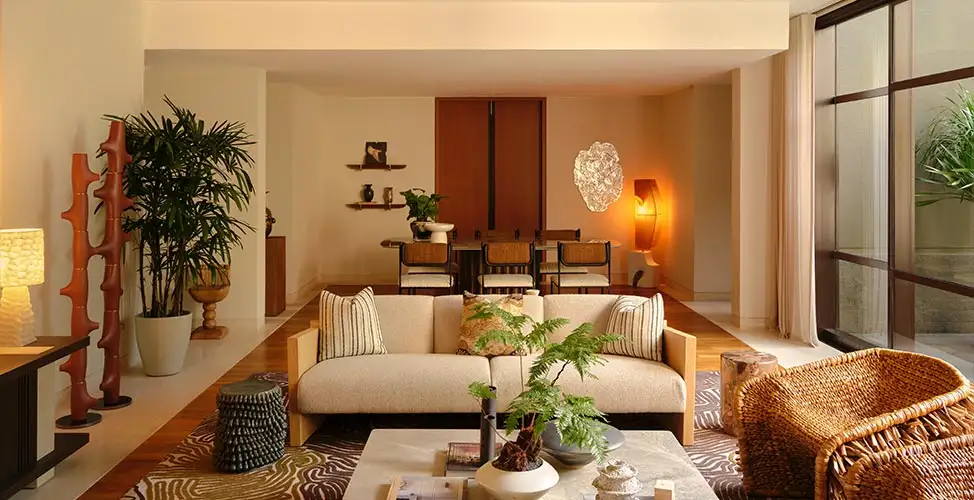
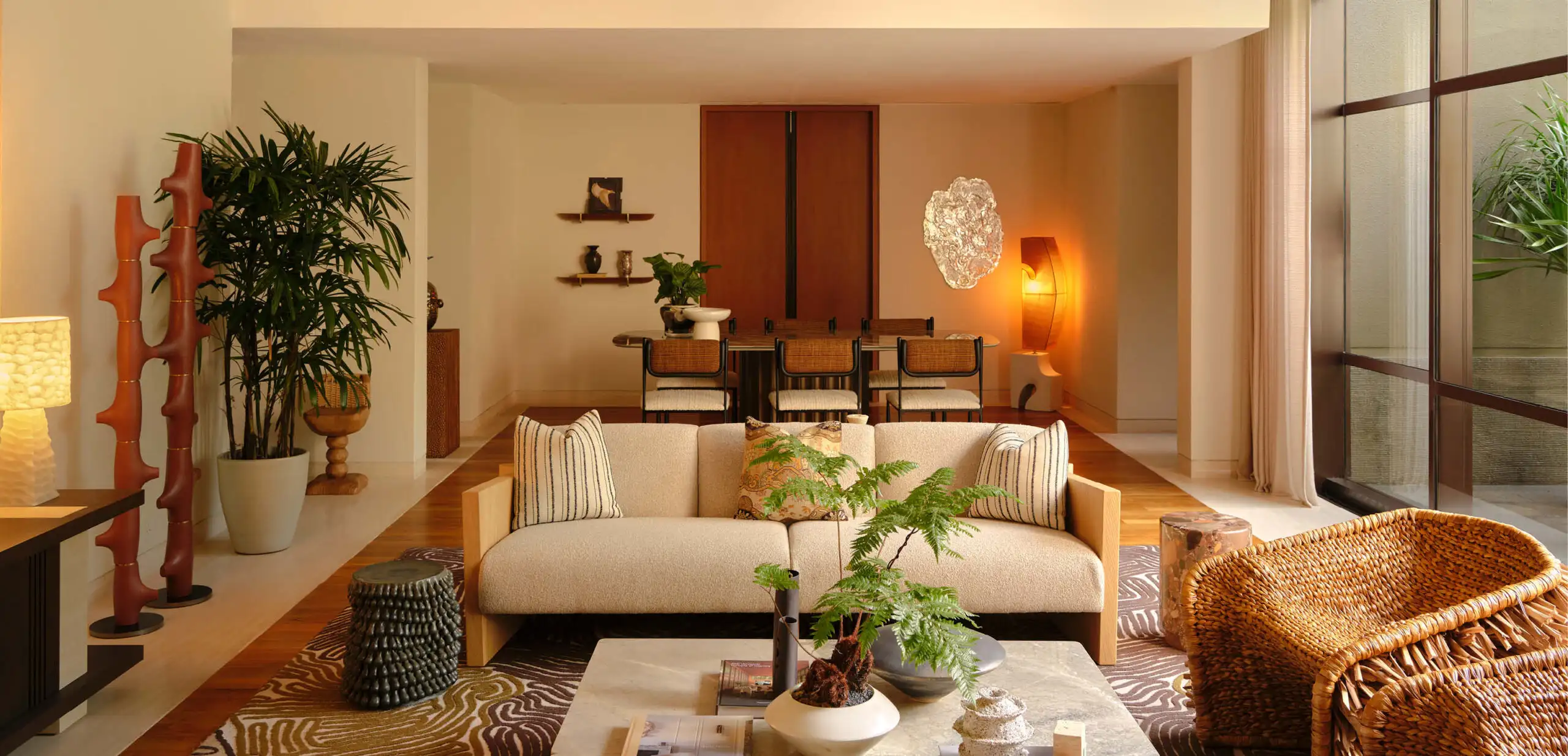
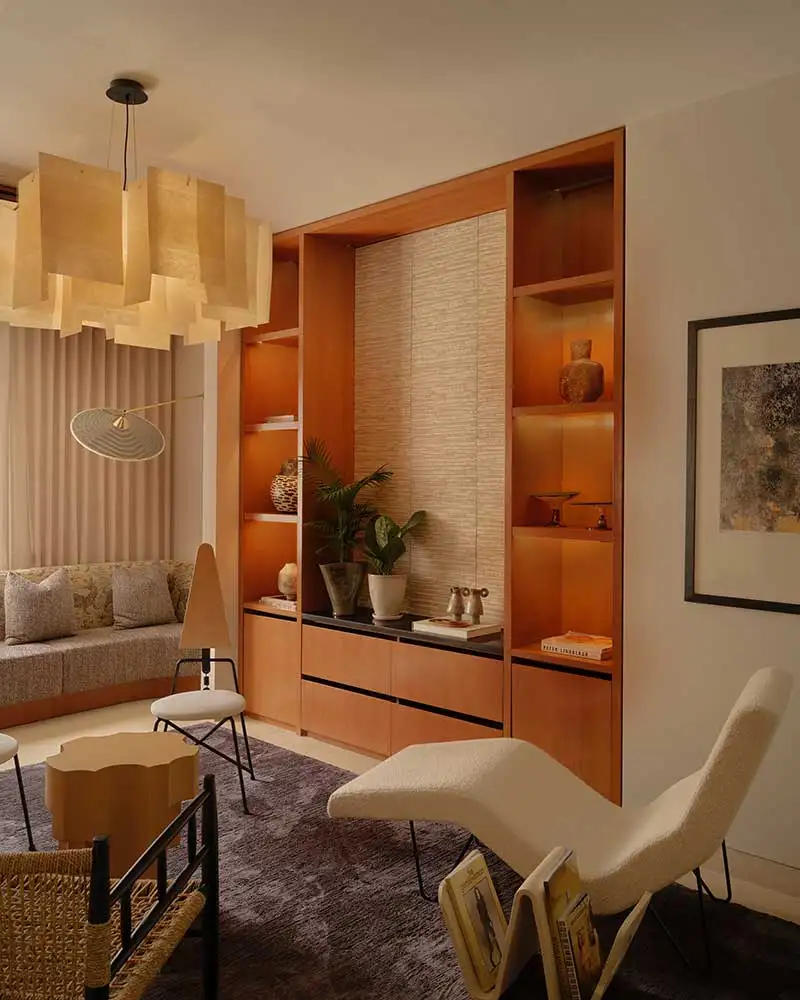
There are many moments, but I’m particularly drawn to the more sculptural, slightly unexpected pieces – such as the lighting pendant in the main living room, which is a Pelle Lure Lantern made from cast cotton paper and brass. The collection of lights is based on botanical references, and each sculptural element is uniquely made, with no two exactly alike. The light through the cotton fibres washes shadows across the room, beautifully echoing the tropical foliage of the hotel. Another favourite is a pair of 1930s handmade Swedish Monk Chairs; the artisanal qualities and patina further layer the space, akin to a personal collection.
Were there any challenges you came across along the way?
The primary challenge was achieving that balance of intimacy with the hotel’s operational requirements and ensuring they remain invisible to guests. Everything needed to feel effortless and resolved, without appearing overly designed. Working within a heritage framework added another layer; for us, it is essential that what we introduced felt contemporary, but also respectful of the existing architecture and its history.
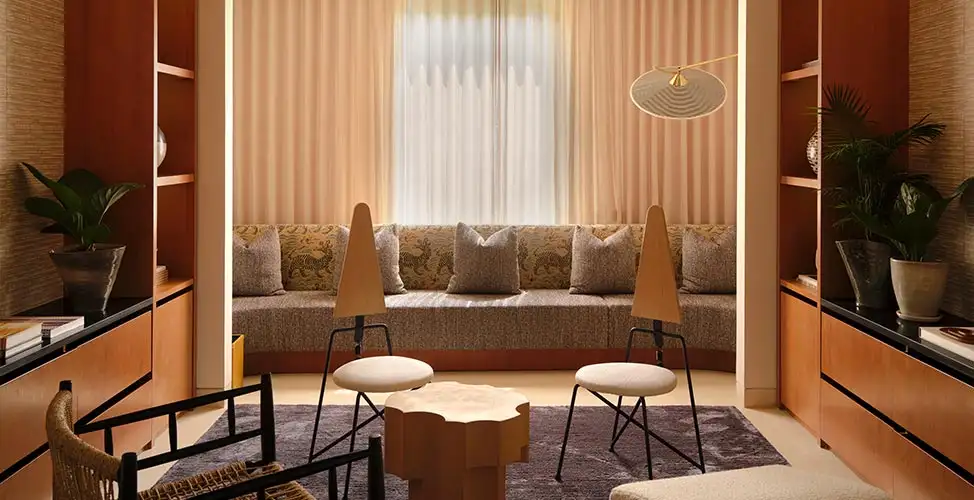
Were there local makers, craftspeople, or artists involved in the project — and if so, how did you find them and integrate their work?
Wherever possible, we like to embed a sense of place through local contributions. In Singapore, that came through both direct sourcing and more subtle integrations — materials, textiles, and crafted elements that speak to the region.
Are there any specific design details that you are especially proud of?
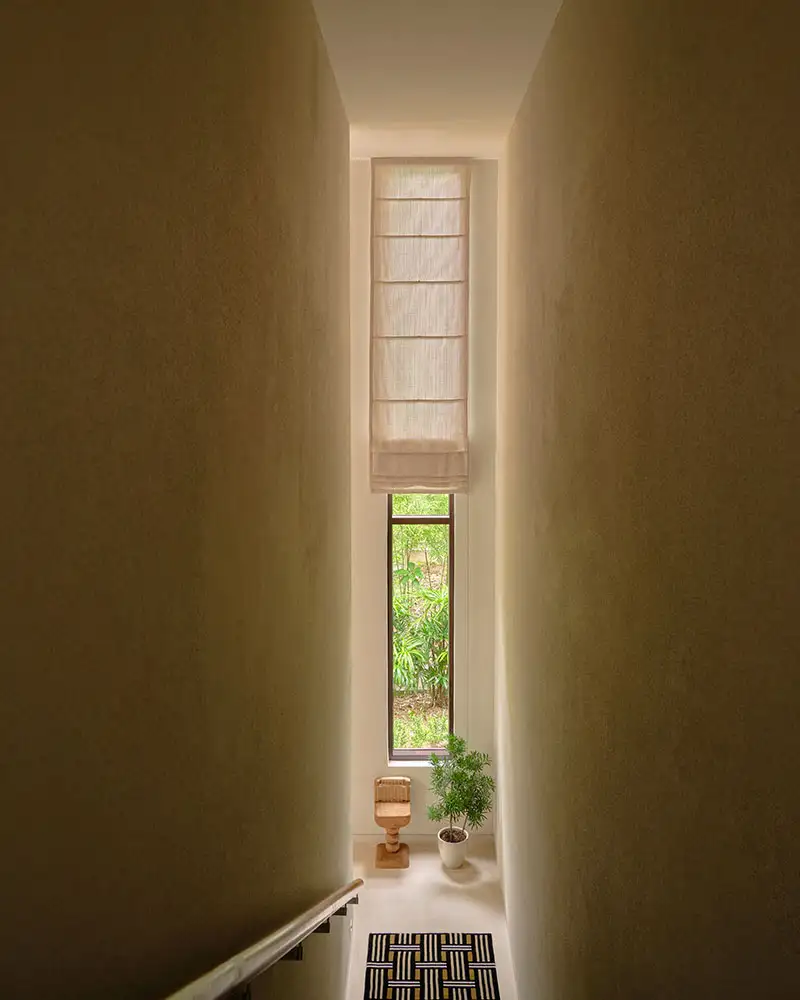
It’s often the quieter moments that feel the most resolved. The way light filters through the paper lantern in the living space at certain times of the day, when it casts soft, organic shadows, and how the custom rug reveals itself from the mezzanine above. These layered experiences unfold throughout a guest’s stay in the residence. We love the idea that the guests will notice a beautiful handmade ceramic piece on a plinth or a motif in the wallpaper that they hadn’t noticed the previous day. All adding to the overall feeling of enjoyment and creating a unique and memorable experience.