Wynn Hamlyn Is Pressing Pause, And It Says More About The Industry Than You Think
A shift in fashion’s model
By Kiri Johnston | 13th April 2026Wynn Hamlyn is pressing pause, and in doing so, bringing into focus a tension that has been building across the fashion industry for some time.
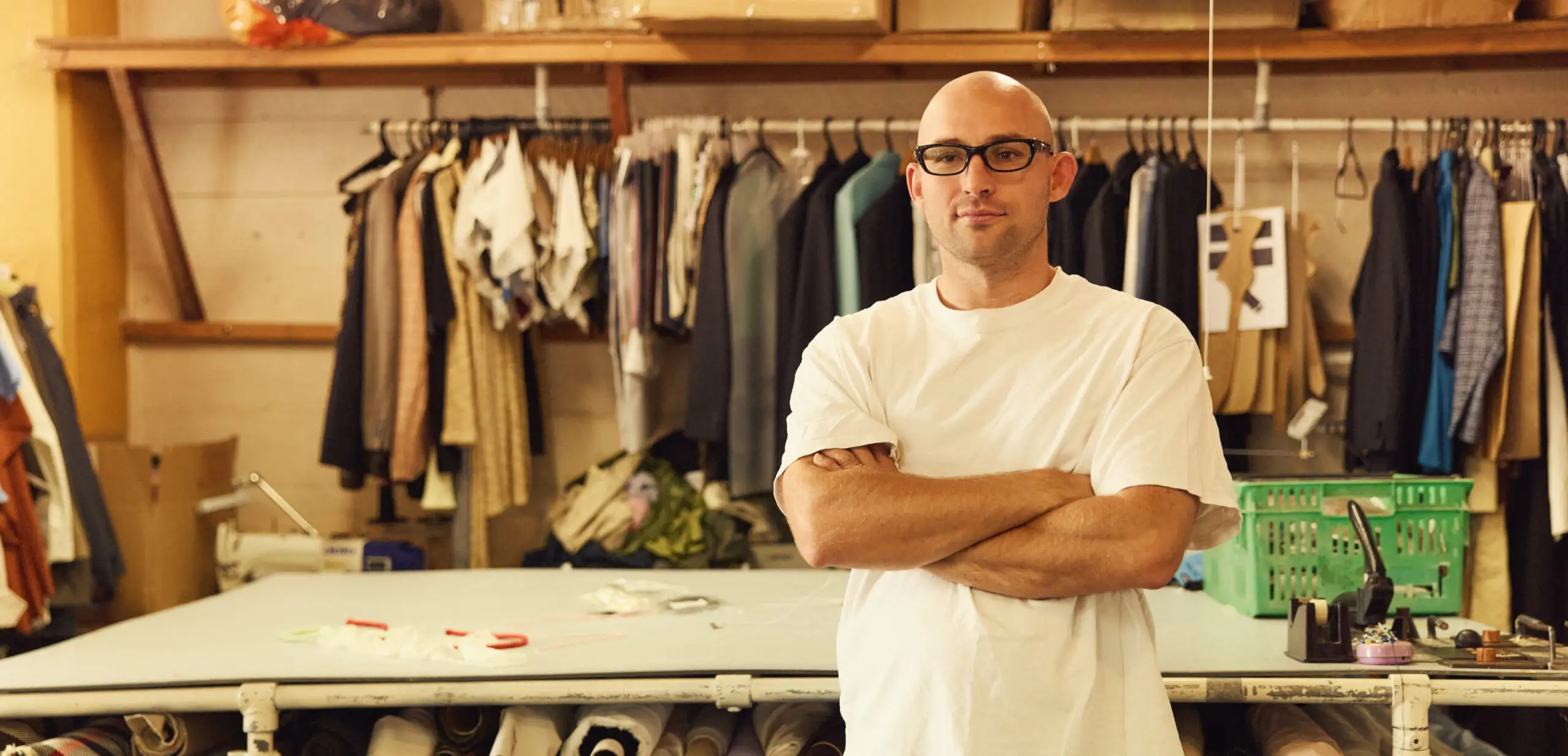
After a decade at the helm of one of New Zealand’s most considered contemporary labels, founder Wynn Crawshaw has announced that Spring Summer 2026 will mark the brand’s final collection, for now. Less a traditional closure, more a deliberate step back, the decision feels measured rather than reactive — and notably, not driven by a lack of demand.
The story behind Wynn Hamlyn is not one of overnight ambition. Crawshaw left a career as a land surveyor in 2015 to pursue what he has described as an idea that felt instinctive, uncertain, and full of possibility. What followed was a decade of building something quietly distinct: a label with a clear point of view, sitting slightly outside of trend cycles and grounded in a deep commitment to craft. The brand’s technical knitwear, sculptural silhouettes and handwork — from macramé to crochet — established a recognisable design language early on, one that prioritised process as much as outcome.
At the centre of the announcement is a line that resonates beyond the brand itself. The model, Crawshaw has said, no longer supports the way the work is being made — and rather than forcing something that no longer feels right, he has chosen to pause. It’s a sentiment that, while specific to Wynn Hamlyn, reflects a broader reality facing many independent designers today.
The decision is particularly striking given the brand’s commercial position. According to the brand’s agency, The Known Agency, Wynn Hamlyn’s direct-to-consumer business has grown 30 percent year on year since 2023, with a loyal customer base locally and in select international markets. It is, by their account, their top-performing brand for Australian wholesale sales. The pause, then, is not a story of a brand running out of road — it is a story about what happens when the structures surrounding a growing brand stop serving it.
For independent designers operating within traditional wholesale and production cycles, this tension is not new. But it is becoming harder to ignore. Growth within the existing model often brings its own constraints, and increasingly, designers are beginning to question not only how they create, but whether the frameworks shaping that process still align with their vision.
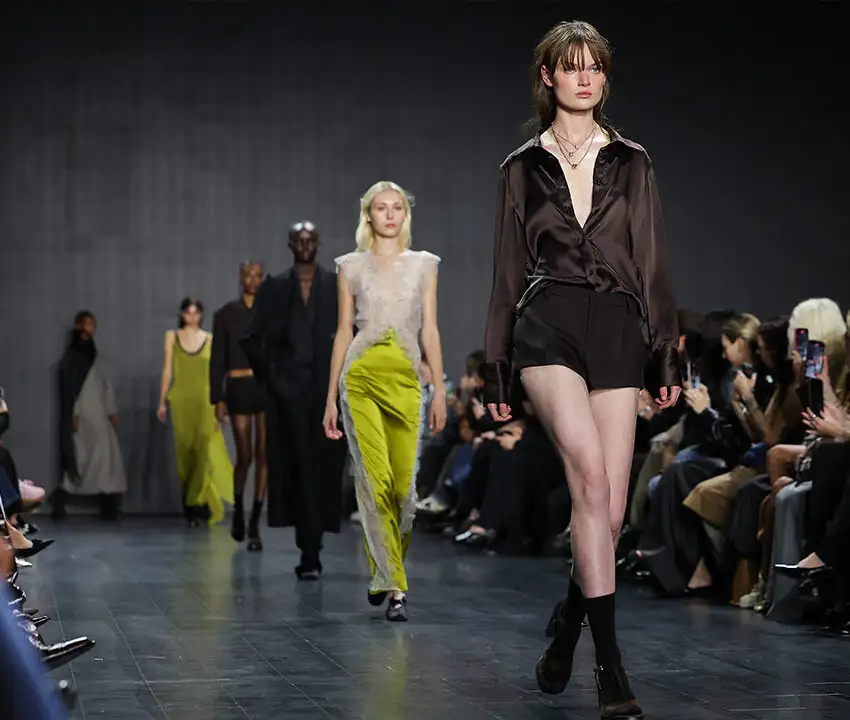
Wynn Hamlyn’s trajectory underscores that complexity. The label has shown at both New Zealand Fashion Week and Australian Fashion Week, built a global retail presence, and cultivated a loyal, design-literate audience — all while maintaining the quiet integrity that defined it from the beginning.
The response to the announcement has been immediate and telling. On Instagram, the tone beneath the post is less one of loss and more of deep appreciation — the kind that speaks to a brand that genuinely meant something to the people who followed it. One commenter noted they still reach for socks from the brand’s first fashion week press pack, describing it as proof of what it means to make things that last. Another reflected on wearing a Wynn Hamlyn piece as one of their wedding dresses. These are not the responses a brand receives for being fashionable. They are the responses a brand receives for being good.
Spring Summer 2026 will close this chapter, a collection Crawshaw has described as one he is incredibly proud of. Beyond that, the future remains open. There is no defined timeline for what comes next, only the space, as he has put it, to reflect and reset.
And perhaps that openness is the most telling part. Because while Wynn Hamlyn’s pause is framed as an individual decision, it reflects a broader recalibration taking place across the industry. The pace, the expectations, and the systems that have long defined fashion are being reassessed — not always publicly, but increasingly in practice. For now, Wynn Hamlyn is choosing to pause. Not as an ending, but as a deliberate break in the rhythm — and possibly, a sign of what’s to come.