Meet The Woman Redefining What Maternity Style Looks Like In 2026
the bump edit
By Victoria Lewis | 17th June 2026Mummas in the making, listen up, because we’ve discovered the bump-friendly brand that’s changing the maternity-wear game for good (and there’s zero elastic in sight).
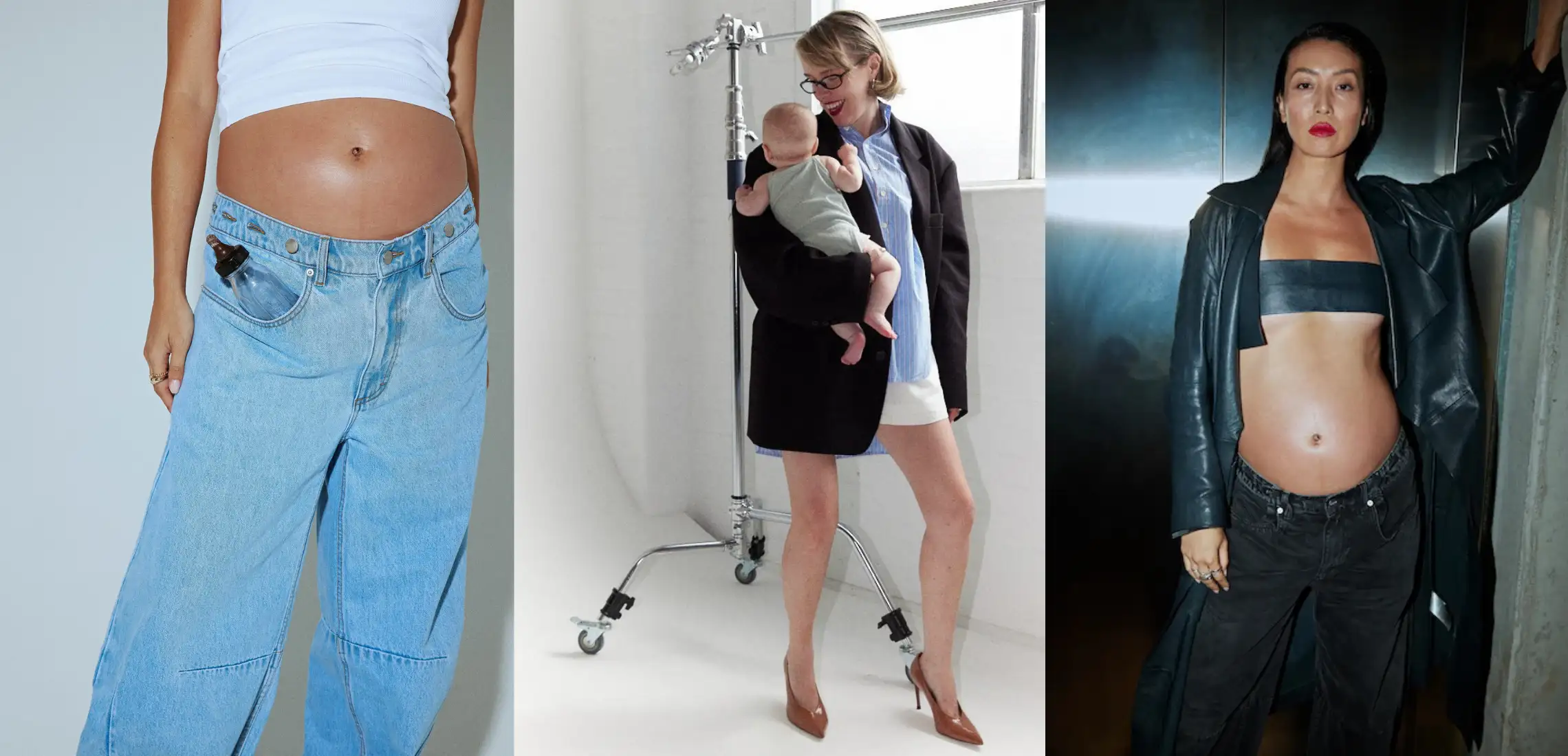
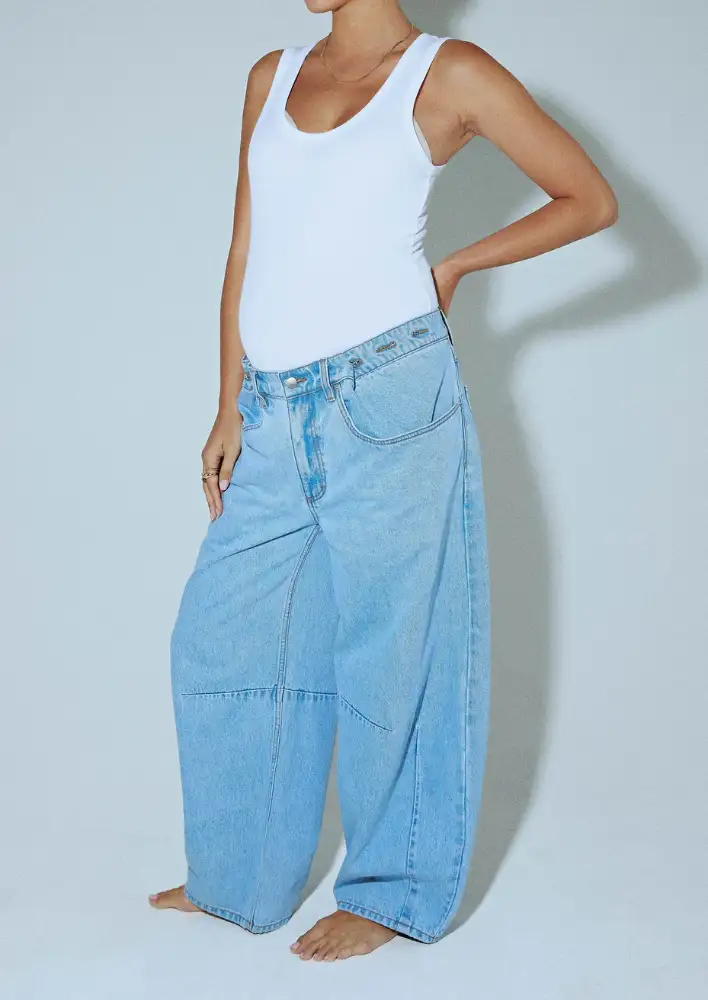
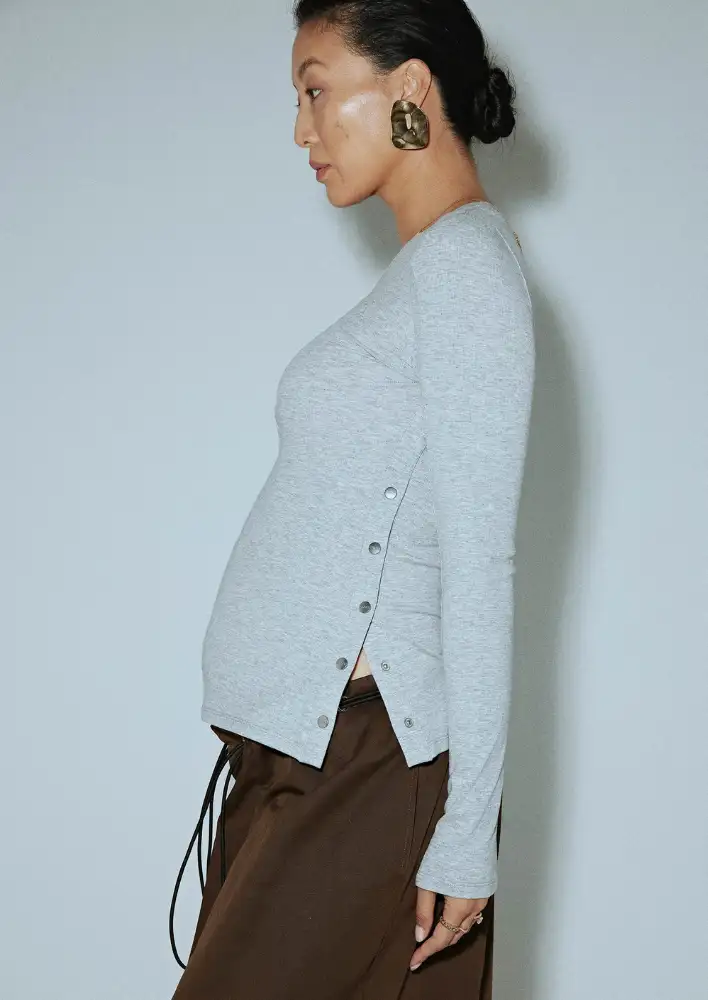
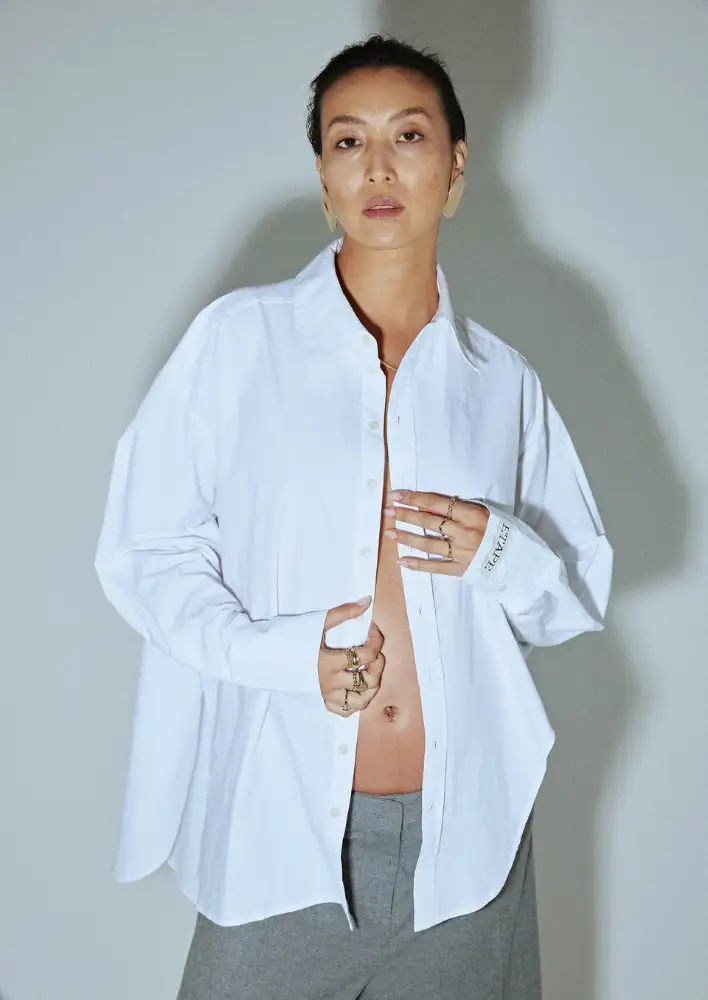
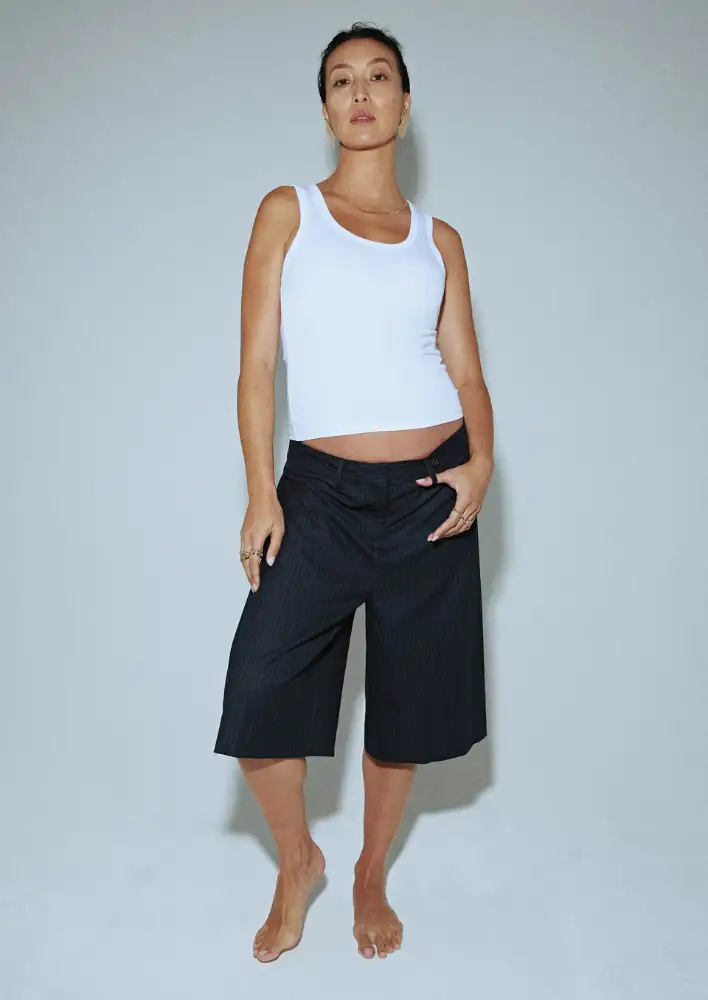
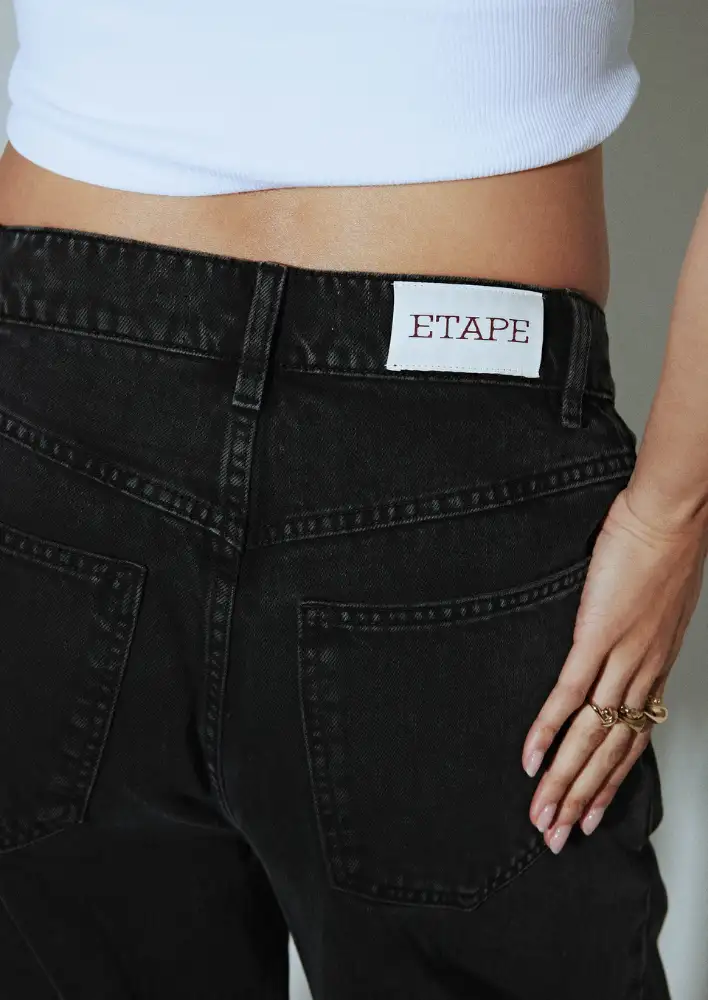
With their groundbreaking debut collection, ETĀPE have refined the category with a capsule of elevated staples – think barrel-leg denim, tailored trousers, and pinstripe shorts – designed to keep expectant mothers feeling like the modern, fashionable women they are.
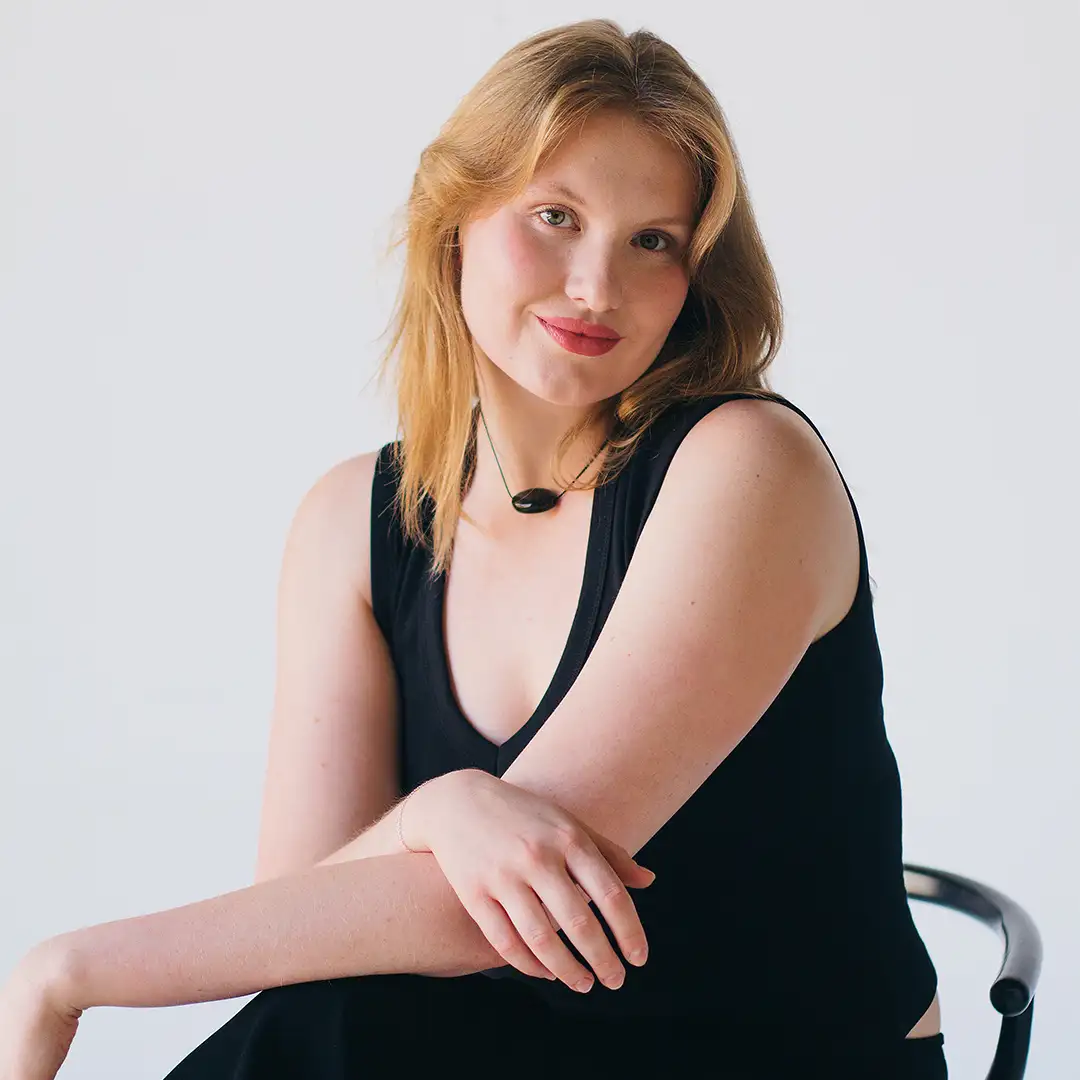
We chat with the founder of the trailblazing brand (and mum of two), Lauren Kelly, to find out how her own pregnancy experience shaped the collection, why pregnant women have been overlooked by the fashion industry, and why she’s gone strong over soft in her campaign messaging.
Let’s bid farewell to elastic waistbands and enter your most stylish bump era yet.
Hi Lauren. What sparked the idea for ETĀPE, and what gap did you feel was missing in maternity fashion?
During the years it took me to conceive my daughter Robin, one thought kept returning: when I get pregnant, I’ll have nothing to wear. That wasn’t self-pity – it was a genuine market observation. The maternity category offers two options: fast-fashion basics at low price points, or high-fashion labels that simply don’t accommodate pregnant bodies. Affluent, fashion-forward women – who haven’t changed who they are just because their bodies have – were completely unserved. That gap became ETĀPE.
So much maternity wear can feel overly feminine, uncomfortable, or purely functional. Why was it important for Etape to feel elevated and fashion-forward?
Because those women haven’t changed. Becoming pregnant doesn’t reset a woman’s aesthetic identity or her standards. The cultural expectation that motherhood is the time to accept compromise – in fabrication, silhouette, design intent – is something ETĀPE exists to challenge directly. Fashion-led wasn’t an aspiration; it was the baseline.
The moment something looked like maternity wear during the design process, it wasn’t right.
Your masculine tailoring and ‘zero elastic’ approach are distinct. Can you talk us through the design philosophy behind the collection?
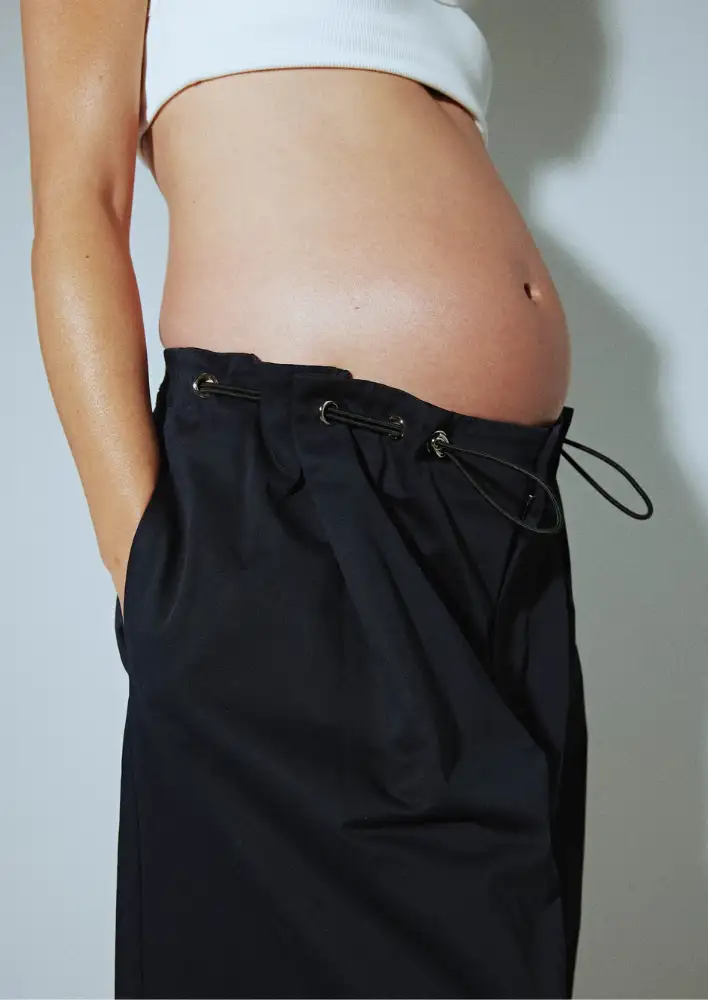
We began with structure, not stretch. The central question was: how does a garment expand without losing its shape? The answer was pleating; intentional, visible pleating that accommodates a growing body while remaining a deliberate design feature rather than something we’re trying to conceal.
There’s no hidden elastic, no eyelets that blend into the fabric. Everything is done with hardware. The drawstrings are oversized, the eyelets are bright, and the cord is substantial. All of it is visible and intentional. The no-elastic rule came from the same place: if we’re hiding the accommodation, we’re treating pregnancy as something to disguise. We’re not.
How did your own experience with pregnancy, postpartum, and motherhood influence the brand?
They influenced it entirely. ETĀPE was born directly from my fertility journey – and the very real fear that becoming a mother would mean losing myself. That fear resonates with so many women who carry it quietly.
I was flying between cities in early and heavy pregnancy for fittings, right up until the day I went into labour. Since then, building the brand alongside a newborn and a five-year-old has meant I’ve been living the exact juggle my customers navigate. That’s not incidental to the brand; it’s the whole point.
Why do you think pregnant women have historically been ignored by the fashion industry?
The industry has treated pregnancy as a visual downgrade, an expectation that women should soften, simplify, or step aside.
The market has responded with low price points and low ambition, as though a pregnant woman’s taste, identity and spending power evaporate the moment she conceives.
These are still the same complex, sophisticated consumers they were before. They’ve just never had a brand that treated them that way. Also, it turns out giant elastic waistbands are easier; precision tailoring isn’t – it takes a lot of skill and investment, but I think we are worth it.
The campaign imagery is strong, sharp and confident rather than soft or stereotypical. What mood or feeling were you wanting to capture visually?
I wanted women to see themselves, not a softened, simplified version of themselves, but as they are: capable, considered, and strong. The industry’s visual language around pregnancy is overwhelmingly soft, pastel, and glowing. Why are so many pregnant women on beaches? I spent more time in a boardroom personally, and I wanted that defiant energy to shine through.
What advice would you give women struggling to feel like themselves while dressing throughout pregnancy?
Trust that your instincts about who you are haven’t changed, even if the options available to you have felt limited.
The compromise isn’t inevitable; it’s been normalised. Look at what you already own, and invest in a few high-quality items that can allow you to keep wearing the things you love. Make sure they are pieces you would truly wear if you weren’t pregnant. That should be the bar.
What pieces from the Classic capsule do you find women gravitating towards most so far?
The Classic centres on the Barrel Leg Jean and the Drawstring Tailored Pant, and both have been the runaway leaders since launch. The denim in particular has generated an extraordinary response – women are buying both colourways. The pant has resonated because it’s genuinely a piece women would wear outside of pregnancy. That was the standard we set ourselves.
How important was versatility when designing the collection – pieces women can wear during pregnancy, postpartum, and beyond?
It was the whole point. Every piece needed to earn a permanent place in a woman’s wardrobe, not exist as a temporary accommodation. I have spent seven years building my family; that’s a long time not to feel like yourself.
Unlike maternity brands that begin with stretch, we began with structure and worked backwards. The pieces are engineered to return to their true original shape after pregnancy and to last across multiple pregnancies. The investment should make sense over a lifetime, not just nine months.
The test was always: would I wear this when I’m not pregnant? If the answer was no, the piece wasn’t right.
What’s your goal for the brand over the next 12 months?
To get ETĀPE into the hands of more women across the world. We’re expanding into boutique retail in Melbourne and Sydney, deepening our collaboration with the family-building community, and developing our next collection, which will introduce a new denim silhouette and the beginning of an accessories offering.
The longer ambition is to be the brand that changes what it means to dress through pregnancy. We’re building toward that.
Imagery: @etape_collection