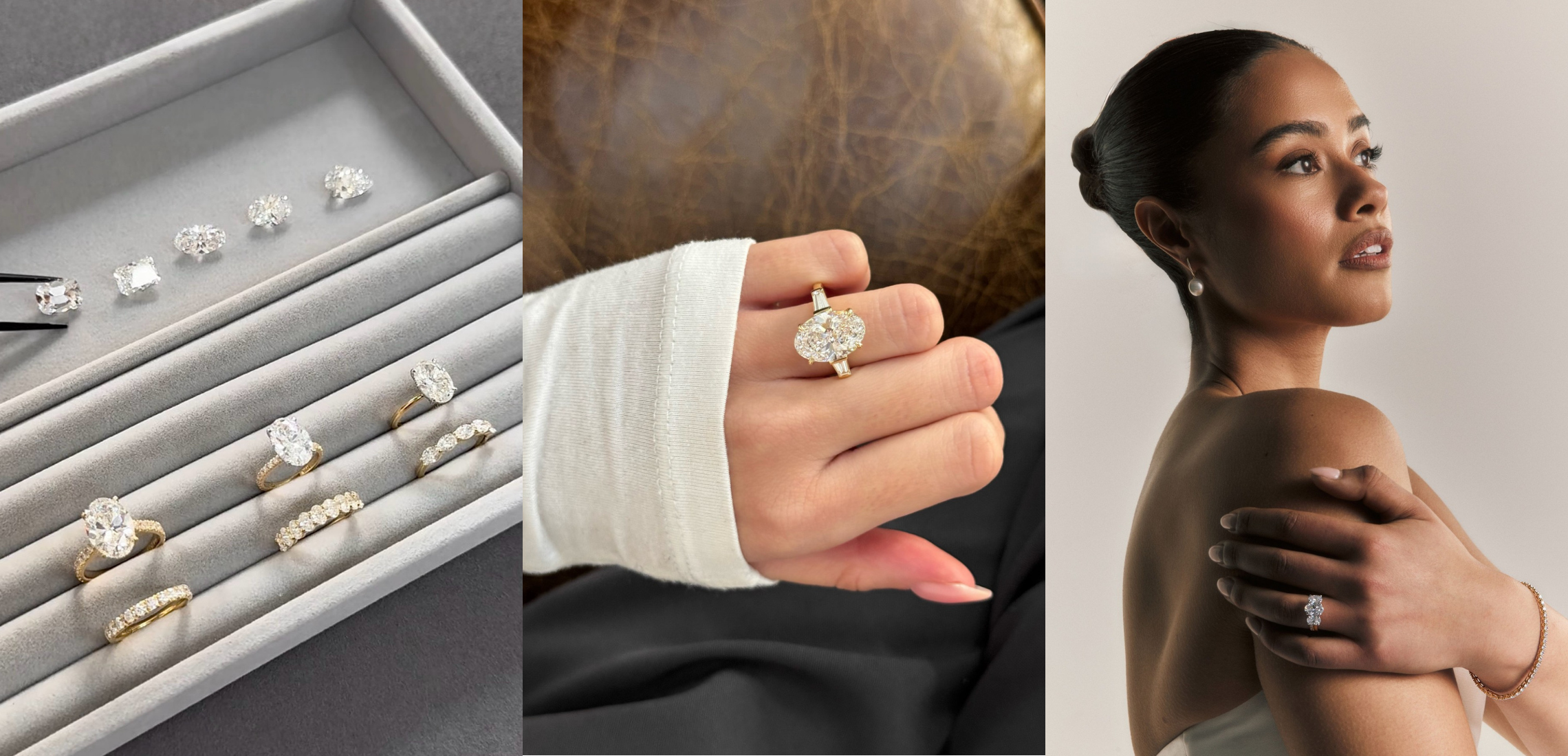
From Cut To Carats: Here’s Your Guide To Designing The Perfect Engagement Ring
Your ring, your rules
Let’s be honest, the search for the perfect engagement ring starts long before they pop the big question. You fall straight down a rabbit hole – one minute, you’re browsing for inspiration, and the next you’re deep in forums that discuss clarity grades. Suddenly, buzzwords like carat, cut, and certification are being thrown around a room you are totally unfamiliar with. And that’s completely fine – in an age of endless customisation, ring shopping was never supposed to be a one-size-fits-all approach.
Whether you’re the one ready to pop the question, or you’re quietly curating a Pinterest board for the day you know is coming, here’s what’s actually worth knowing before the design process begins.
Carats – does a bigger carat always mean a larger-looking diamond?
Here’s the thing that catches most people out: Carat grading is about weight, not size. Carats are broken down into points under the 4C Grading System, with 100 points equating to one full carat. Technically, one carat is 200 milligrams, with one point equalling one-hundredth of a carat, or 2mg. This terminology is used regularly to describe diamonds under a full carat, with jewellers often referring to half a carat as a “50-pointer.”
The price per carat increases with the carat weight, with larger diamonds deemed rarer and more desirable for ring use. Yet price increases aren’t always steady, with ‘magic sizes’ – 1.00ct, 1.50ct, 2.00ct – creating sharp jumps around those ‘perfect’ weights in higher demand. A stone that is 0.95ct can cost noticeably less than a 1.00ct stone that looks practically identical.
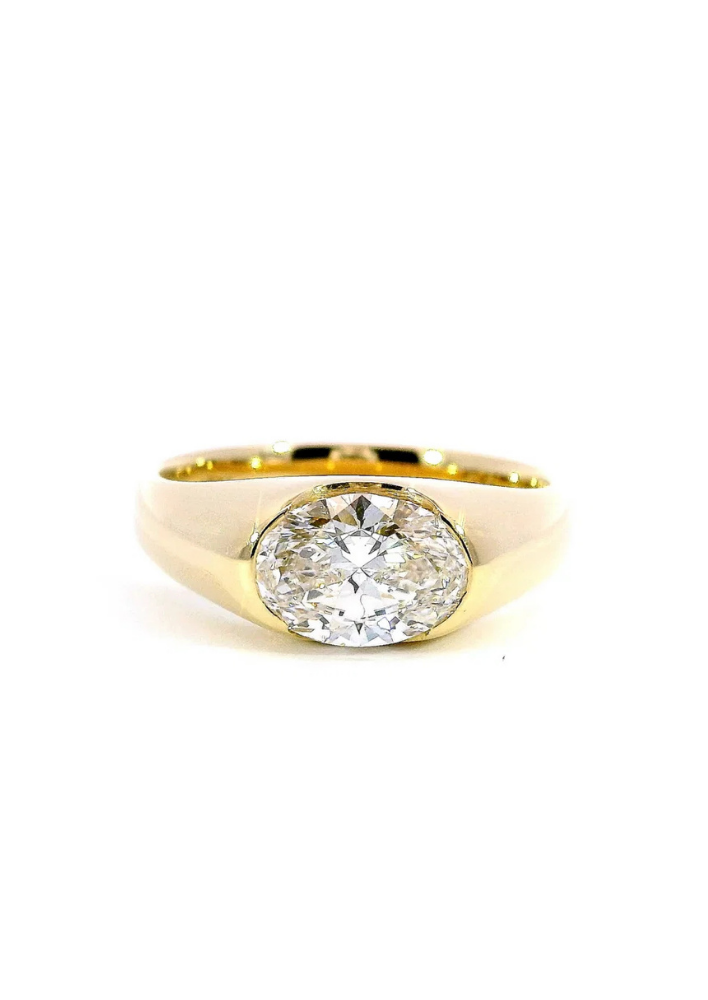
Two diamonds that are technically the same weight can also look completely different on the hand. A shallow cut stone tends to look larger in size from above, while a deeper cut conceals some of its surface area once set.
Going the extra mile, Parker Diamonds considers seven factors to distinguish their diamonds, which they call their 7Cs, namely cut, colour, clarity, carat weight, certification, credibility, and confidence. Each of these factors is taken into account so the team can help you find the right stone to stay on your finger for eternity.
View this post on Instagram
Cut and shape
The cut of a diamond not only refers to its shape, but to its natural proportions. While choosing the right shape is important, how the stone is cut determines how it sparkles on the hand. There are two main cuts for engagement rings – brilliant and step-cut.
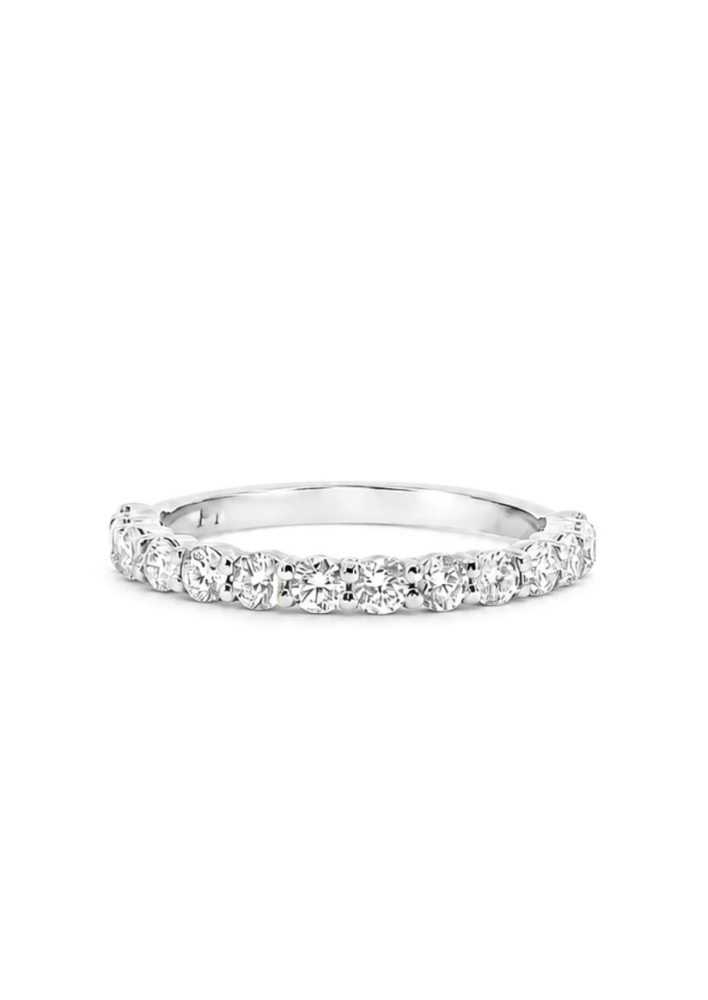
Brilliant cuts are stones that are cut with lots of small triangular facets, including round, princess, pear, and marquise shapes. Built to offer maximum sparkle, brilliant cuts are typically more expensive but higher in durability with traditionally less sharp edges.
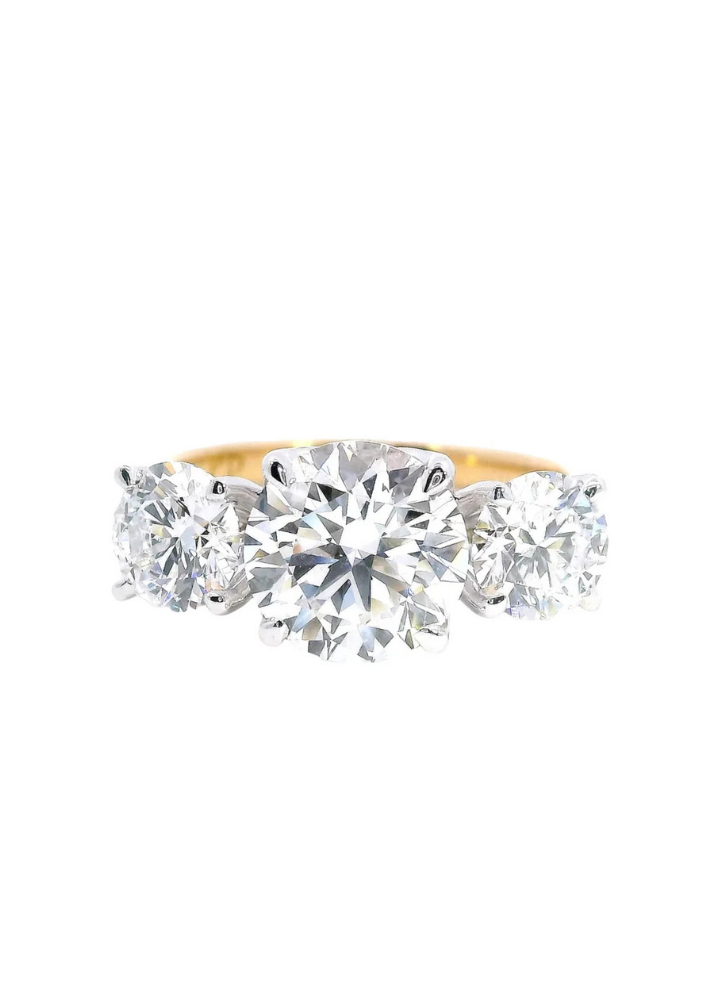
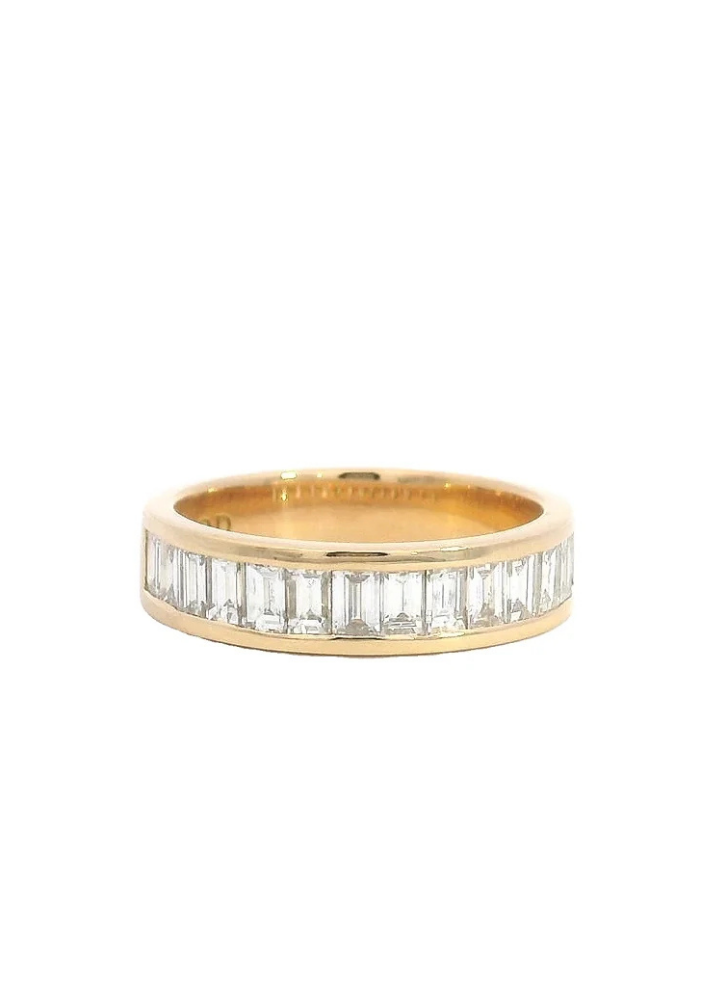
Step-cut diamonds, like emerald and Asscher, showcase bigger, linear facets that run parallel to the edge. These cuts give off a cooler, more understated glow, and are known to create a ‘hall of mirrors’ effect with dramatic flashes of light, like the glittering example below.
Something so special about the bespoke engagement ring experience at Parker Diamonds is that each piece starts by selecting the diamond and building an exquisite piece around it. Rather than simply selecting a setting to fit, their team, celebrating its 15th anniversary in the business this year, builds from the diamond up, ensuring each piece is as unique as the stone itself.
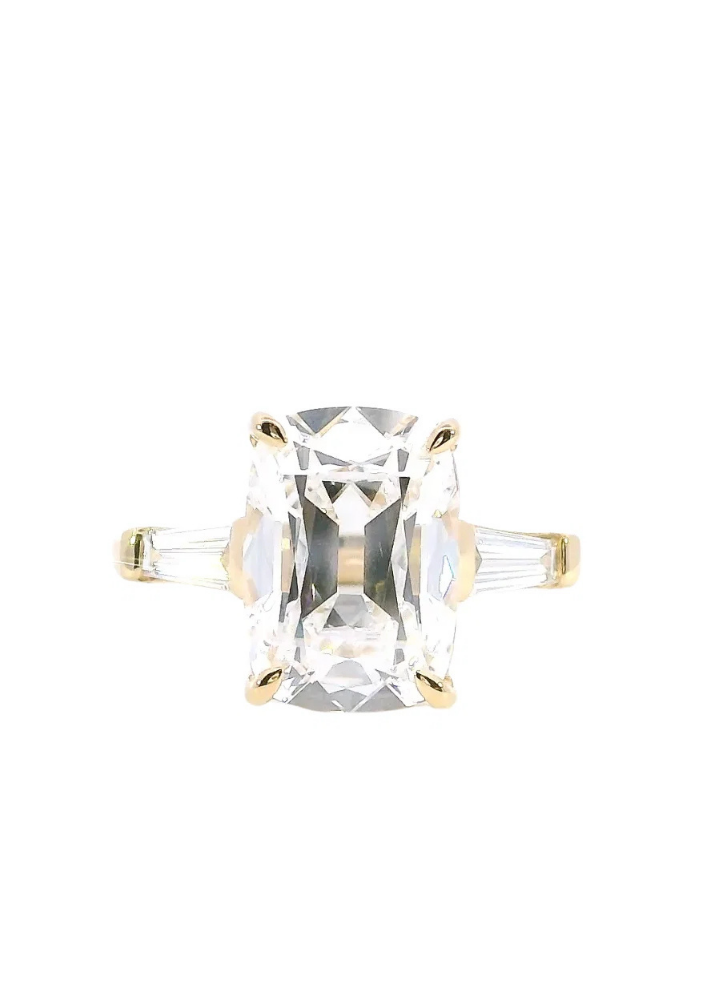
Natural versus lab-grown diamonds – Is there really a difference?
The short answer is no. Both natural and lab-grown diamonds are chemically identical – both made of pure carbon, both identical in crystal structure.
The only difference comes down to how they are made. Natural diamonds are pulled from deep underground, formed billions of years ago under extreme heat and pressure. There’s something about their ancient and abnormal timeline that people adore, linking to their higher market and resale value.
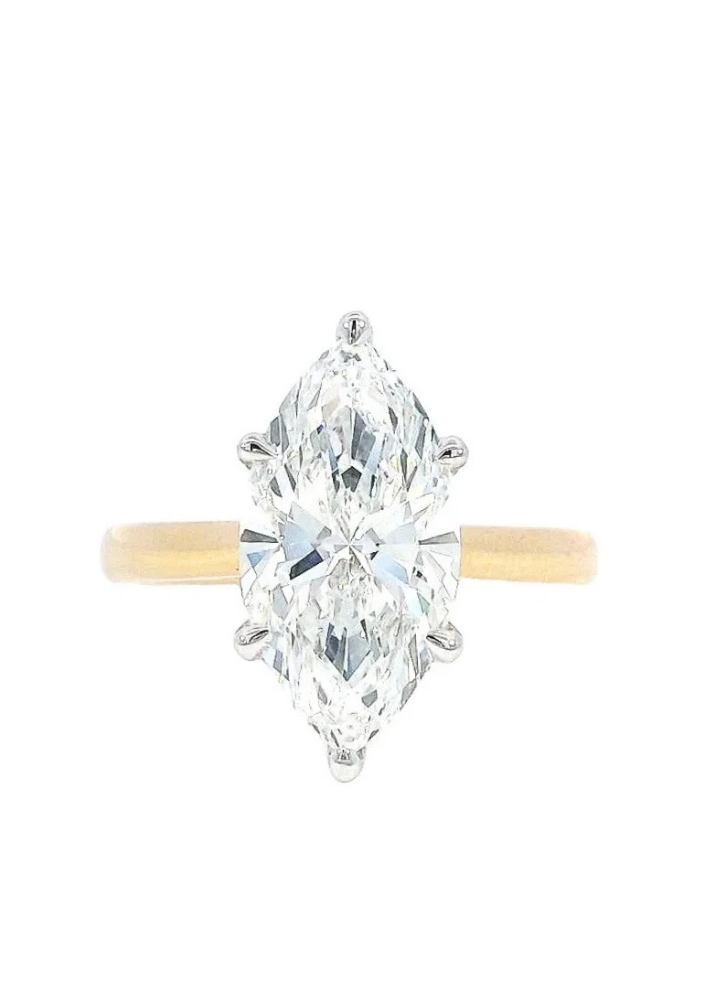
Lab-grown diamonds, on the other hand, are made in a matter of weeks, either through High Pressure High Temperature chambers that recreate Earth’s natural conditions, or Chemical Vapour Deposition, where the diamond is built up, layer by layer from carbon-rich gases. A lab-grown diamond can only be distinguished from natural stones by professional jewellers who can detect minor differences in diamond growth. Recognised as a sustainable substitute for a natural stone, lab-grown diamonds generally sit at a lower price point of comparable size and quality.
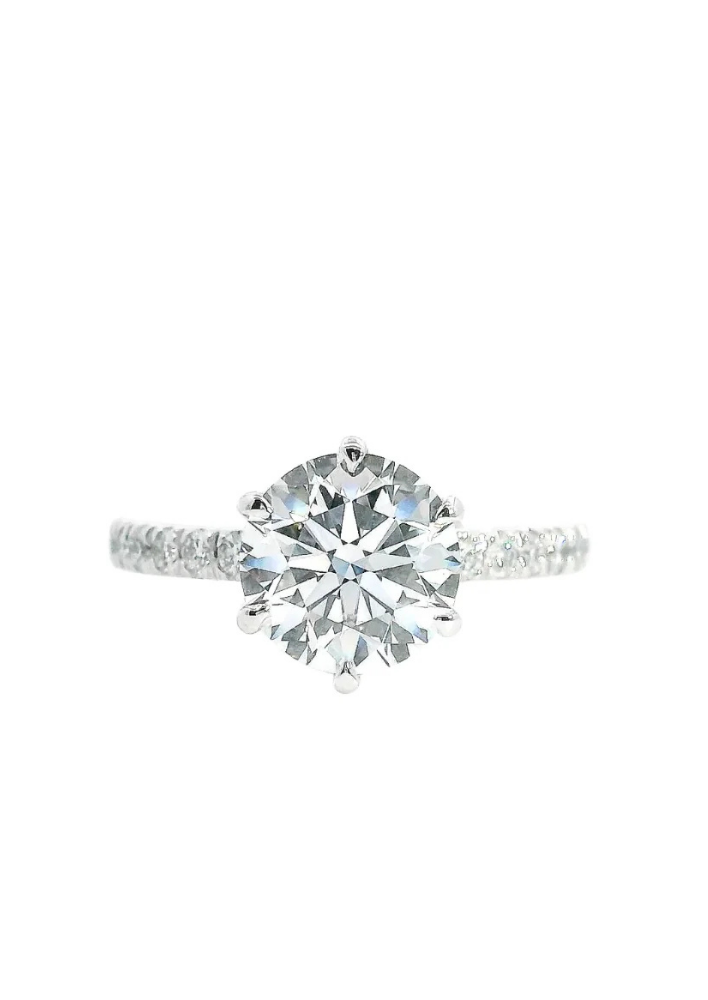
Whichever you’re more drawn to, Melbourne jeweller Parker Diamonds holds both to the same industry standards. Specialising in custom, natural and lab-grown engagement rings and wedding bands, their Melbourne-based team assesses every stone on facet pattern, measurement, and internal quality before it ever reaches a ring. Trust us, you’re in safe hands.
What’s Trending RN
If there’s one aesthetic doing the heavy lifting in engagement rings this year, it’s simple – not boring, but chic and understated. Clean lines, quiet settings, nothing shouting too much attention. It’s the kind of “less is more” approach that’s getting attention right now.
Colour has shifted too. That icy-white look that dominated the 2010s has softened into something warmer – think champagne, pale yellows, honey tones, and hues of brown. The resurgence of vintage glamour is responsible, where every bride is after a slice of uniqueness – enter the era of engagement ring customisations.
As for the band, it’s thicker, continuing on the vintage trend. Paired with elongated cuts and settings, brides are loving rings that feel heirloom-appropriate. If it’s long, warm-toned, and a tad quirky in nature, it’s probably on someone’s 2026 mood board.
As one of Melbourne’s top jewellers, Parker Diamonds have their finger on the pulse with engagement rings. Going beyond the baseline, they know how to turn a crowd-fave selection into something more timeless and tailored to the individual.
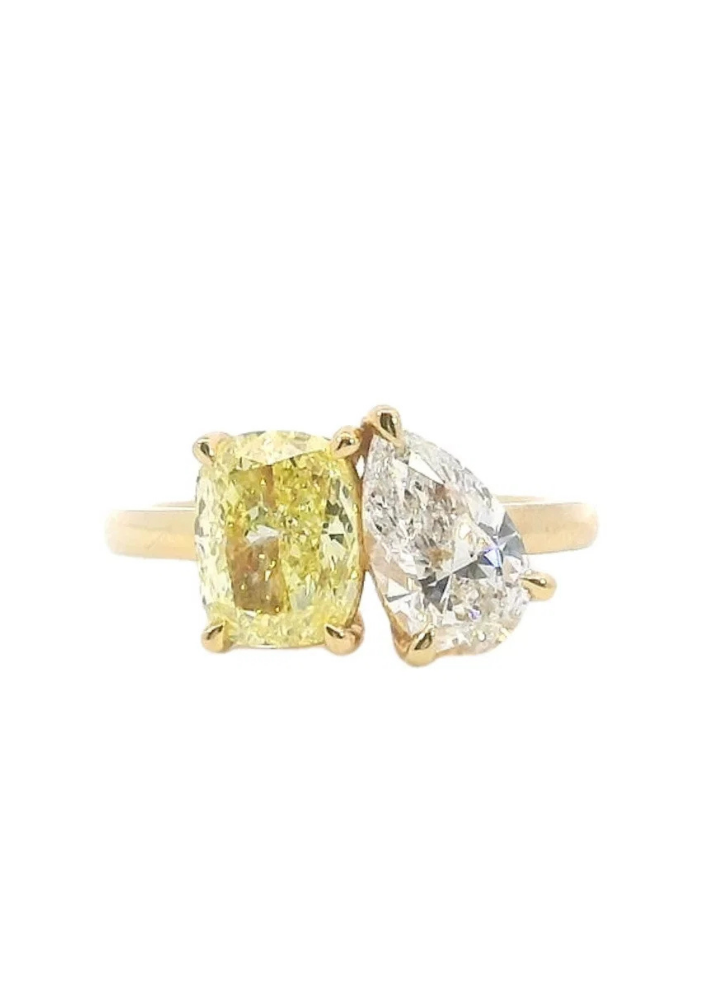
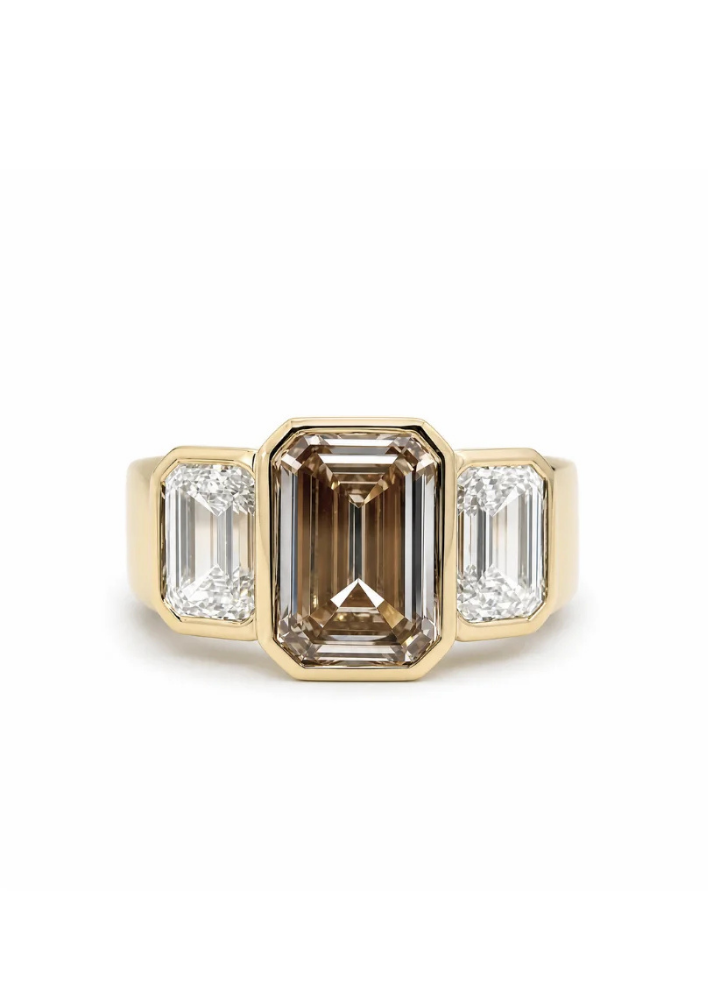
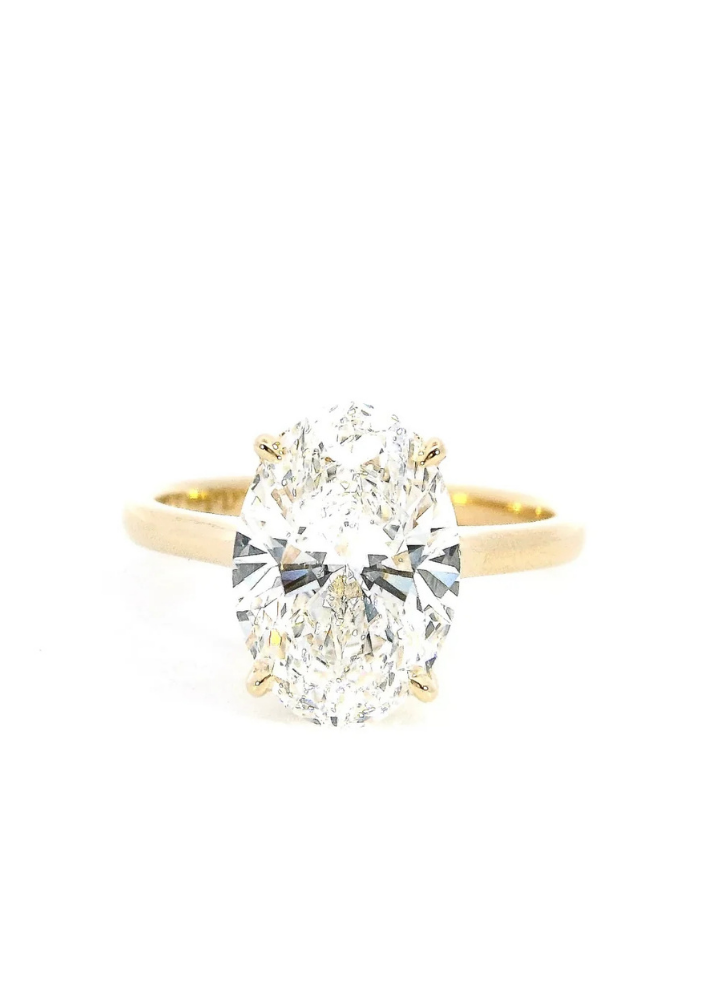
The Matching Pair – let’s talk wedding bands
Here’s the thing: your engagement ring isn’t going to live on its own forever. Sitting snug against a wedding band for the rest of its life, it’s worth thinking about the pair early, especially if you’re after customisation. It’s the kind of detail Parker Diamonds walk you through from the outset, making sure your wedding band feels considered and not an afterthought.
Cut style makes a bigger difference here than you’d think. Cleaner, step-cut stones usually pair beautifully with a sleek, flush-fitting band. On the other hand, a brilliant round or cushion cut can happily sit next to something a bit more decorative without the two competing.
Setting height matters too – a low-set stone sits closer to the band, so adding a notch or slight curve to the wedding band may assist in curating that flush look. Higher settings generally give you more freedom to play with when designing.
At the end of the day, an engagement ring is one of those rare things you get to design based entirely on your own preferences. However you land on carat, cut, or origin, it’s less about ticking boxes and more about curating a piece of jewellery that actually feels like you and your eternal love story.
To start designing your forever piece, visit Parker Diamonds online or in-store at their Melbourne-based showroom.
Imagery: @parkerdiamonds
This article is sponsored by Parker Diamonds and proudly endorsed by style. We only promote brands and companies that we love and think our readers will love too!